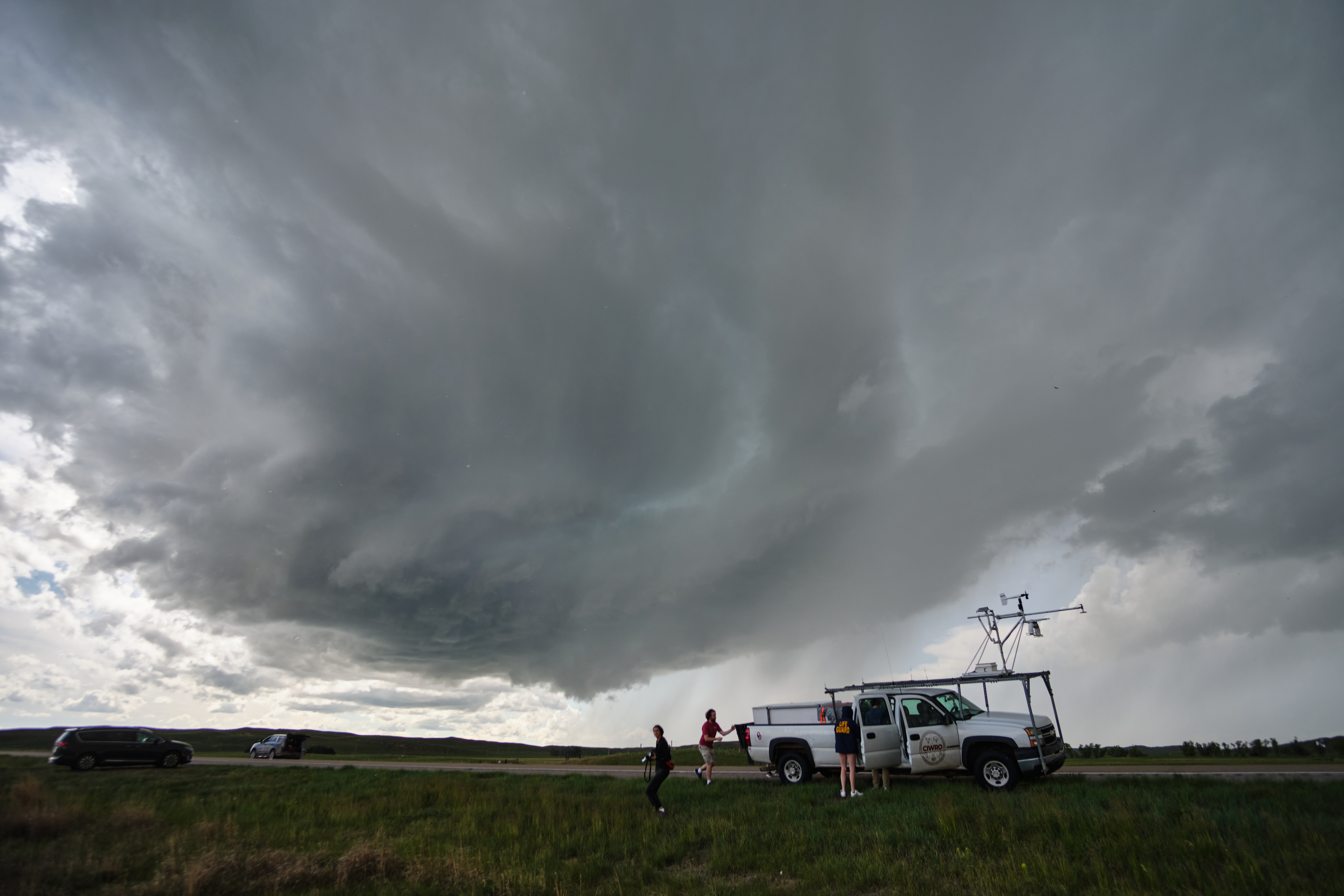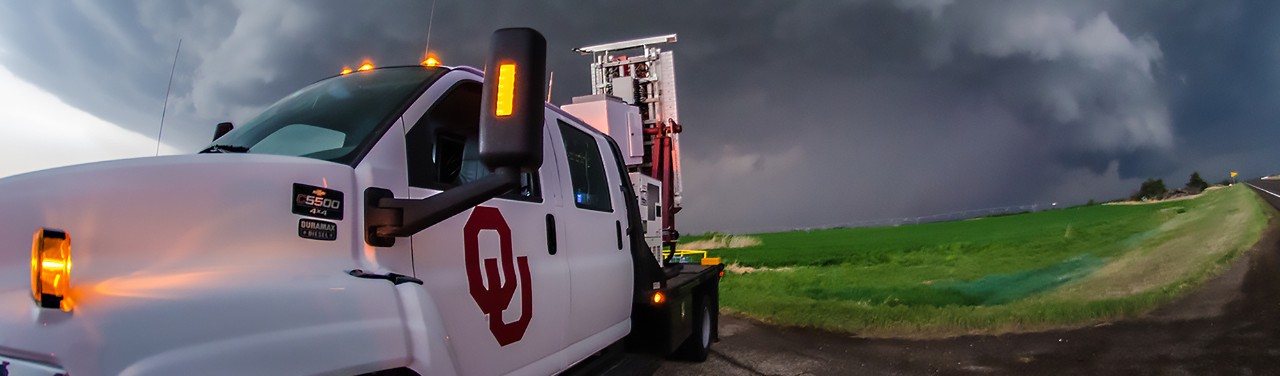
The University of Oklahoma will receive up to $220 million over five years from the U.S. Department of Commerce and the National Oceanic and Atmospheric Administration to continue the life-saving weather research led by the OU-NOAA Cooperative Institute for Severe and High-Impact Weather Research and Operations, extending a nearly 50-year partnership that has helped give Americans earlier, more accurate weather warnings
From strengthening severe-weather preparedness to advancing national security, MITRE and the University of Oklahoma (OU) are joining forces to tackle some of the nation’s most critical challenges.
The University of Oklahoma, partnering with the state of Oklahoma and academic and industry partners, has received funding from the U.S. National Science Foundation to build the nation’s first integrated platform for recovering critical minerals from existing oil and gas wells.
Research published today in Cell identifies three small subclusters of cells driving pancreatic cancer-induced cachexia, a muscle-wasting and fat-loss condition that makes patients less tolerant of cancer treatment. The study, led by the University of Oklahoma, holds significant promise for the development of therapeutics to target these subclusters.
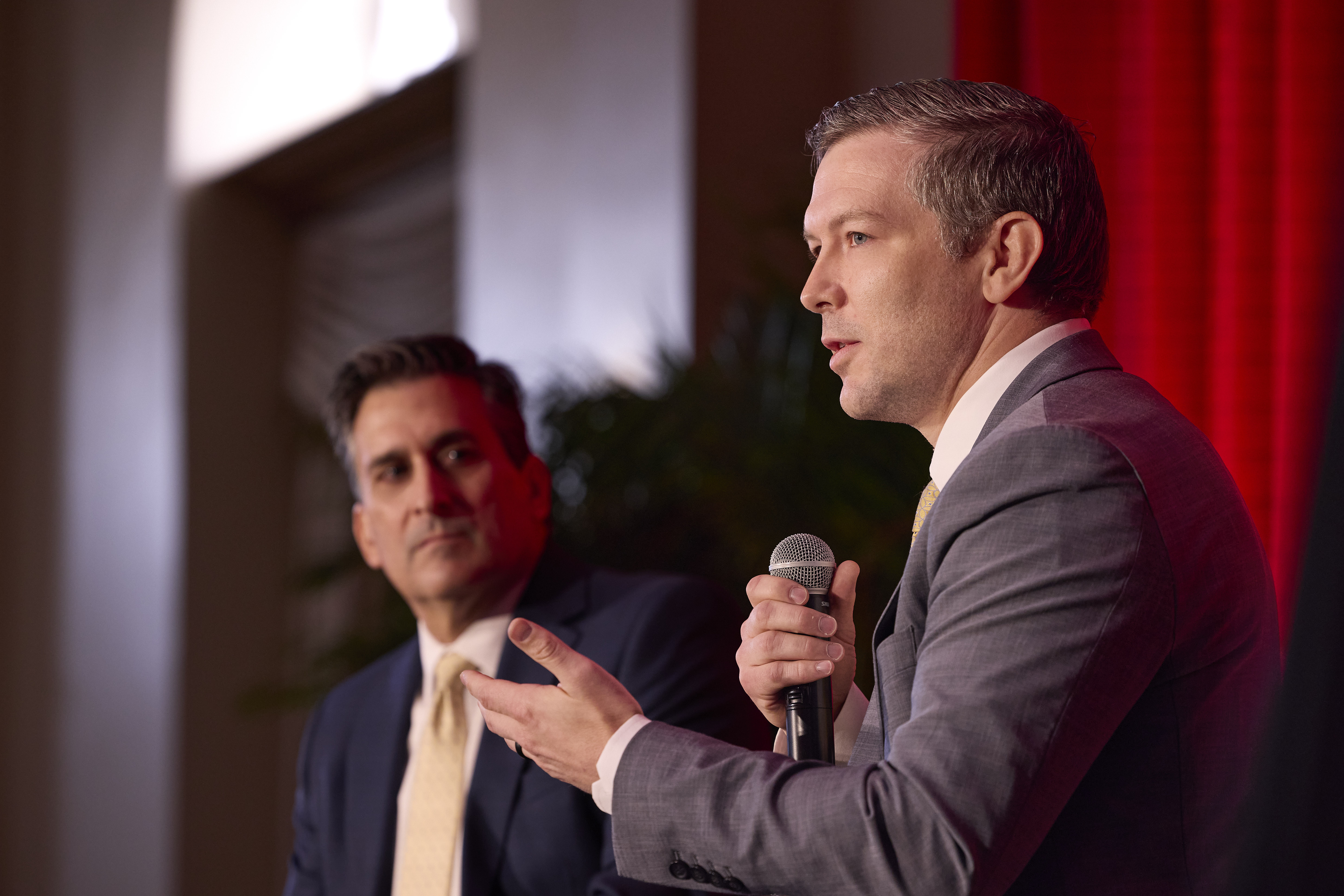
The University of Oklahoma hosted “America’s Subsurface Advantage: Energy Dominance, Critical Minerals, and National Security” on Friday, Sept. 25, bringing together around 150 leaders from industry, government, national laboratories and universities to explore how America’s subsurface resources can become a lasting competitive advantage.
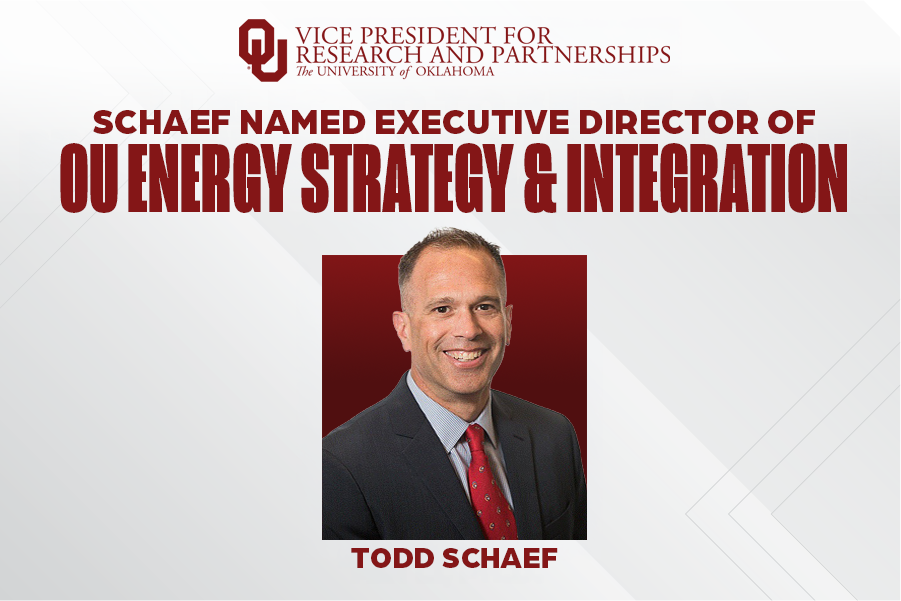
OU has named Todd Schaef as the new executive director of OU Energy Strategy and Integration, a key position in the Office of the Vice President for Research and Partnerships, focused on growing the impact-focused research that advances OU’s role in the future of energy.
University of Oklahoma President Joseph Harroz Jr. today outlined the university’s record-setting momentum to the OU Board of Regents, highlighting how that progress has strengthened OU’s capacity to pursue greater opportunities at a scale that would have been difficult to envision just a few years ago, particularly through the expansion of its research enterprise.
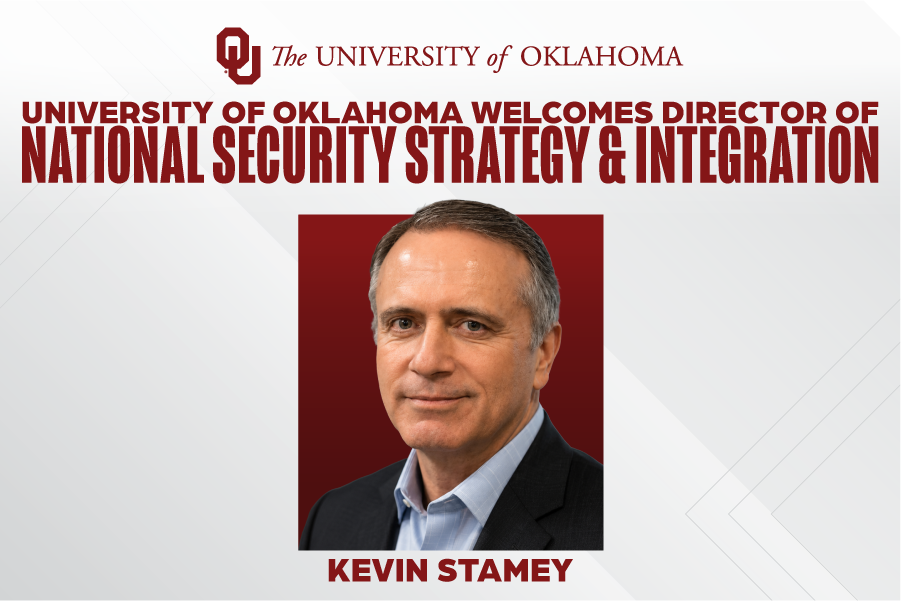
Led by the Office of the Vice President for Research and Partnerships, the University of Oklahoma has restructured its national security and defense research strategy in support of the Lead On strategic plan, and has named Kevin Stamey as Director of National Security Strategy and Integration, effective August 31.
With funding from the U.S. Department of Energy, the University of Oklahoma is helping build AI into the future of American science. Two OU-led research teams have been awarded nearly $1.4 million in funding under the DOE’s Genesis Mission, with a third researcher providing significant support for a Genesis Mission project being led by Los Alamos National Laboratory.
An international research team featuring professor Jessica Cerezo-Román, Ph.D., uncovered the earliest known evidence of cremation in Africa. The government of Malawi has now moved to safeguard the ancient site at Mount Hora used by a 9,500-year-old hunter-gatherer community.