NEWS


Date
NORMAN, OKLA. – Wei R. Chen, Ph.D., Stephenson Endowed Chair, Professor, and Interim Director of the Stephenson School of Biomedical Engineering, recently chaired an international conference, “Biophotonics and Immune Responses XX”, at the Photonics West Symposium sponsored by the International Society for Optics and Photonics (SPIE). Chen established this unique conference and has served as its chair since 2006. This year marks the 20th anniversary of the conference.
Biophotonics is a multidisciplinary field that involves the study and application of light (photons) in biological systems. It combines concepts from biology, physics and optics to explore how light interacts with living organisms and tissues. Researchers use light-based techniques to study, diagnose or treat biological and medical conditions. Applying Biophotonics to induce immune responses is an emerging field.
Chen, as a pioneer in this field, recognized the importance of photochemical, photoimmunological, photochemical and photothermal effects in modulating the immune system for detection and treatment of diseases, such as cancer, Alzheimer’s disease and other diseases with immunological roots.
The Biophotonics and Immune Responses conference has provided a forum for researchers from academia, industry and other health professional fields to share ideas and collaborate. For the past two decades, it has served as a bridge between technological development and clinical applications, focusing on induction, enhancement, mechanisms and detection of immune responses induced by biophotonics and through the combination of biophotonics with other detection and therapeutic modalities in diagnostics and therapeutics.
The conference has brought basic research scientists and clinicians together to share research experiences and initiate clinical studies. It connected researchers and entrepreneurs – companies had been formed during the conferences. For example, Immunophotonics, Inc., a biotech company developing biophotonics-based immunotherapy for cancer, was conceived during one of the conferences by Chen and collaborators.
After a decade of work, Immunophotonics has received U.S. Food and Drug Administration approval for a phase 1b/2a multiple-center clinical trial for late-stage patients with colorectal cancer, non-small cell lung cancer, and soft tissue sarcoma, using the novel biophotonics-based immunotherapy developed by Chen’s team.
The conference also provides opportunities for emerging scholars, including postdoctoral fellows, graduate students and undergraduate students, to learn from established professionals. This year, two doctoral students in Chen’s lab, Trisha Valerio and Coline Furrer, gave oral presentations at the conference, reporting their research on immunotherapy for pancreatic cancers and nanotechnology-based immunotherapy for cancer treatment.
About the University of Oklahoma
Founded in 1890, the University of Oklahoma is a public research university located in Norman, Oklahoma. As the state’s flagship university, OU serves the educational, cultural, economic and health care needs of the state, region and nation. For more information about the university, visit www.ou.edu.
The University of Oklahoma College of Medicine has honored two residents with the Lloyd Rader Award, which recognizes outstanding clinical and research achievements in residency.
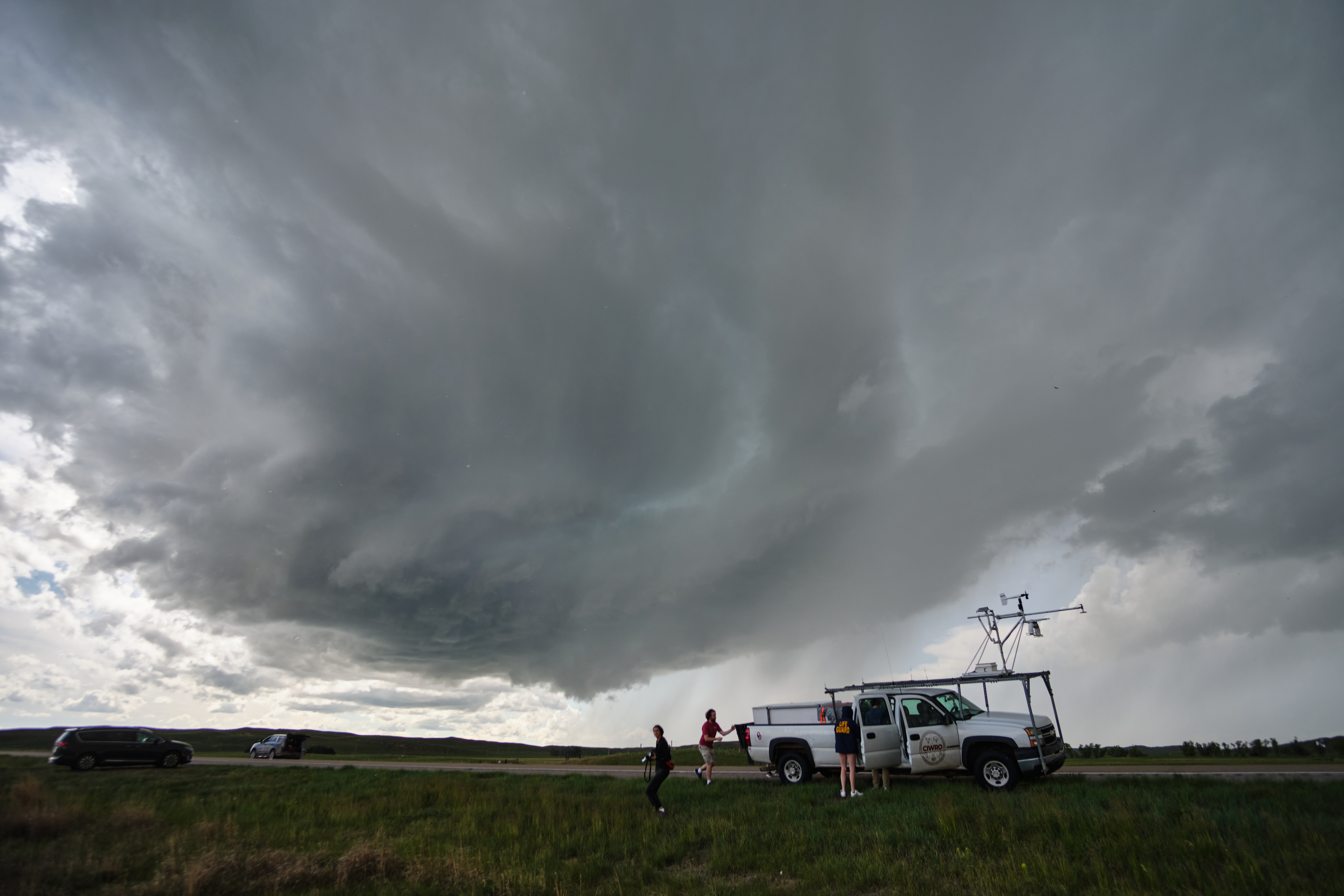
The University of Oklahoma will receive up to $220 million over five years from the U.S. Department of Commerce and the National Oceanic and Atmospheric Administration to continue the life-saving weather research led by the OU-NOAA Cooperative Institute for Severe and High-Impact Weather Research and Operations, extending a nearly 50-year partnership that has helped give Americans earlier, more accurate weather warnings
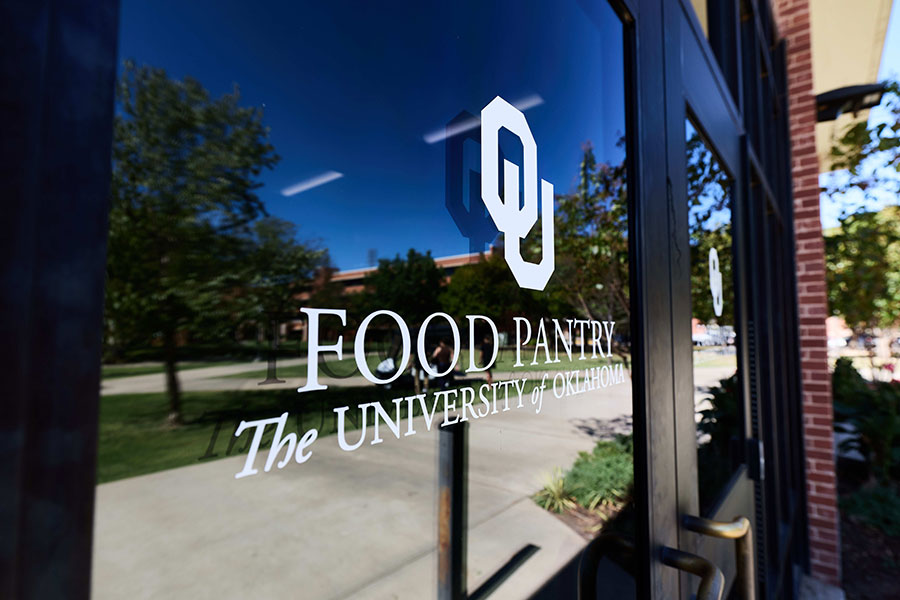
The OU Food Pantry won the annual Red River Food Fight, collecting 31,815.9 pounds of shelf-stable food and drinks to top UT Outpost’s 22,567 pounds. OU has won the competition four years in a row.