NEWS


NORMAN, OKLA. – The University of Oklahoma has created a new chief artificial intelligence officer position to implement AI to drive innovation in education, research and operations. David Ebert, director of OU’s Data Institute for Societal Challenges (DISC) and associate vice president for research and partnerships, has been selected as the interim chief AI officer, pending OU Board of Regents’ approval.
“Artificial intelligence is transforming nearly every facet of higher education, research and industry,” said André-Denis Wright, senior vice president and provost for the OU Norman campus. “With David Ebert serving as our interim chief artificial intelligence officer, OU is taking a proactive approach to ensuring AI is integrated thoughtfully and responsibly across our academic and research enterprise. His leadership will help position OU at the forefront of AI-driven innovation and collaboration.”
“AI and other emerging technologies are driving the future of health research and education, accelerating discoveries, and transforming how we train the next generation of health professionals,” said Gary Raskob, senior vice president and provost for OU Health Sciences. “We are grateful to have someone of Dr. Ebert’s caliber guiding these efforts, helping us fully leverage AI across the health care enterprise.”
Through DISC, Ebert has expanded the university’s data science, including AI/ML, to support convergent research initiatives. Through this enterprise-wide role, Ebert will advocate for transformative AI-empowered education to ensure student success.
Ebert is an Institute of Electrical and Electronics Engineers (IEEE) Fellow and the former second vice president of the IEEE Computer Society. He holds the Gallogly Chair Professorship and dual appointments in the schools of Electrical and Computer Engineering and Computer Science in the Gallogly College of Engineering.
He is the recipient of the 2017 IEEE Computer Society vgTC Technical Achievement Award and a member of the IEEE vgTC Visualization Academy. Ebert is also the director of the Visual Analytics for Command Control and Interoperability Center (VACCINE), the visualization science team of the Department of Homeland Security’s Visual Analytics and Data Analytics Emeritus Center of Excellence.
His research includes visual analytics, human-computer teaming, advanced predictive analytics, human-guided intelligent data-driven policy and decision-making, volume rendering, illustrative visualization, and procedural abstraction of complex, massive data. He is a prolific publisher and holds 10 patents. He received his bachelor’s, master’s and doctoral degrees in computer and information science from The Ohio State University.
About the University of Oklahoma
Founded in 1890, the University of Oklahoma is a public research university located in Norman, Oklahoma. As the state’s flagship university, OU serves the educational, cultural, economic and health care needs of the state, region and nation. For more information about the university, visit www.ou.edu.
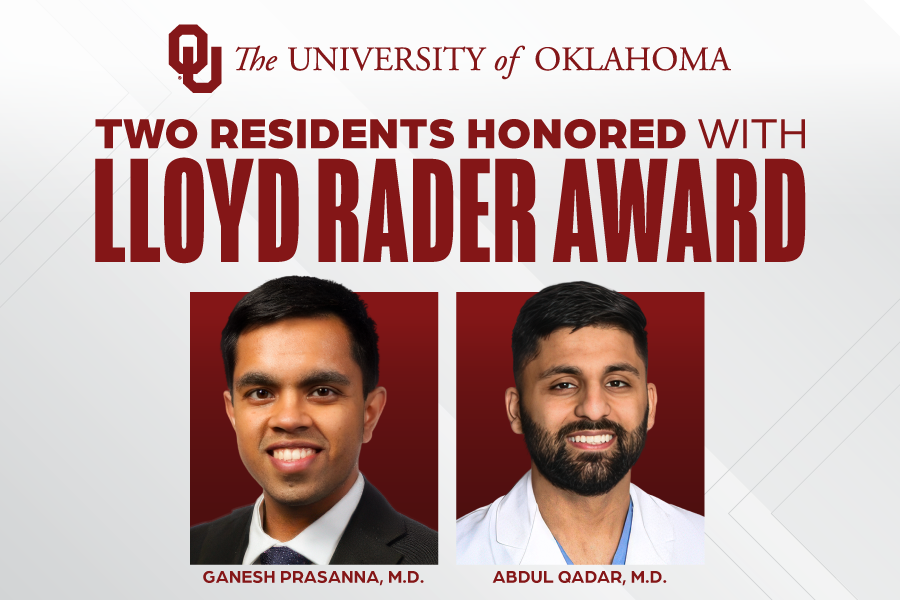
The University of Oklahoma College of Medicine has honored two residents with the Lloyd Rader Award, which recognizes outstanding clinical and research achievements in residency.
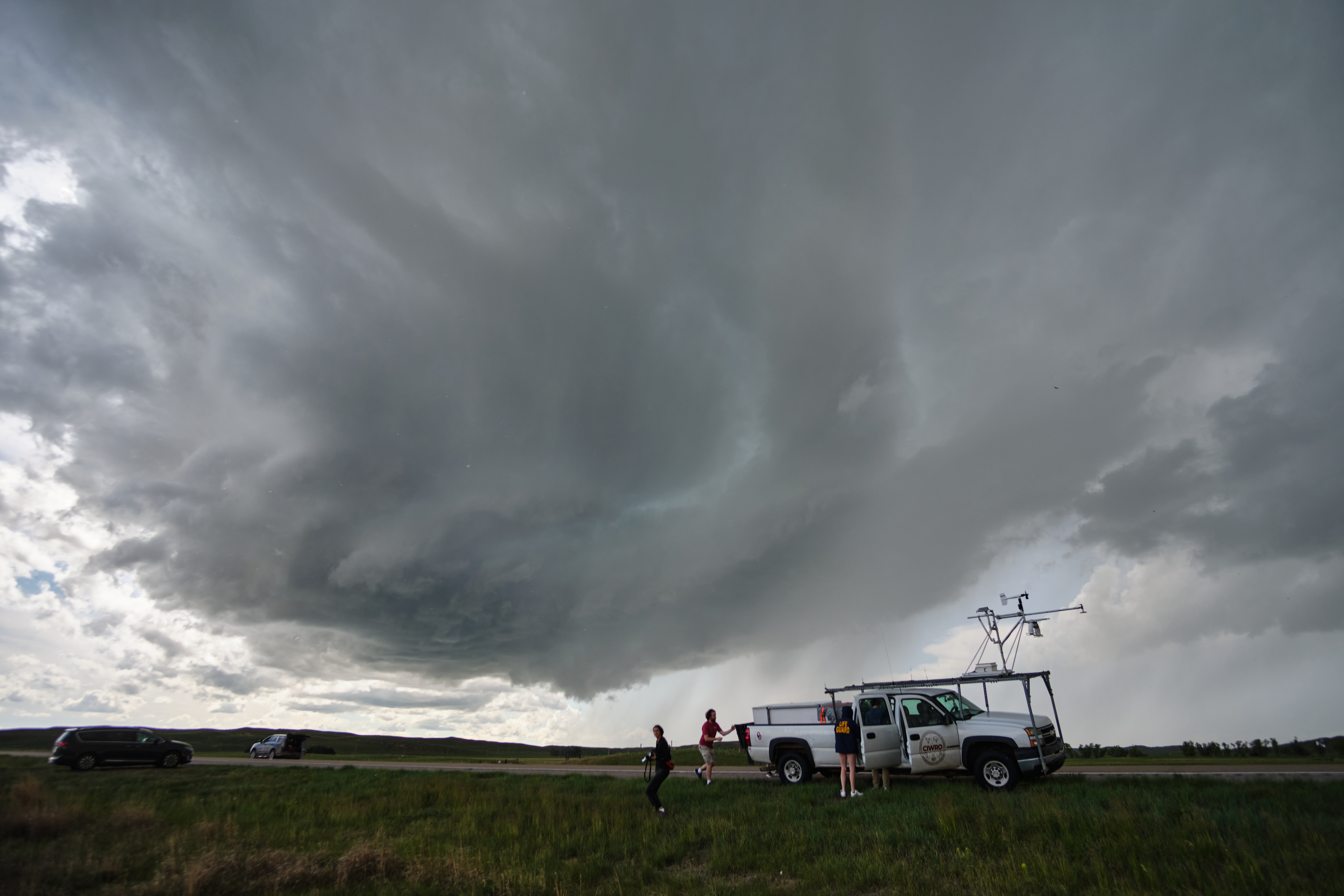
The University of Oklahoma will receive up to $220 million over five years from the U.S. Department of Commerce and the National Oceanic and Atmospheric Administration to continue the life-saving weather research led by the OU-NOAA Cooperative Institute for Severe and High-Impact Weather Research and Operations, extending a nearly 50-year partnership that has helped give Americans earlier, more accurate weather warnings
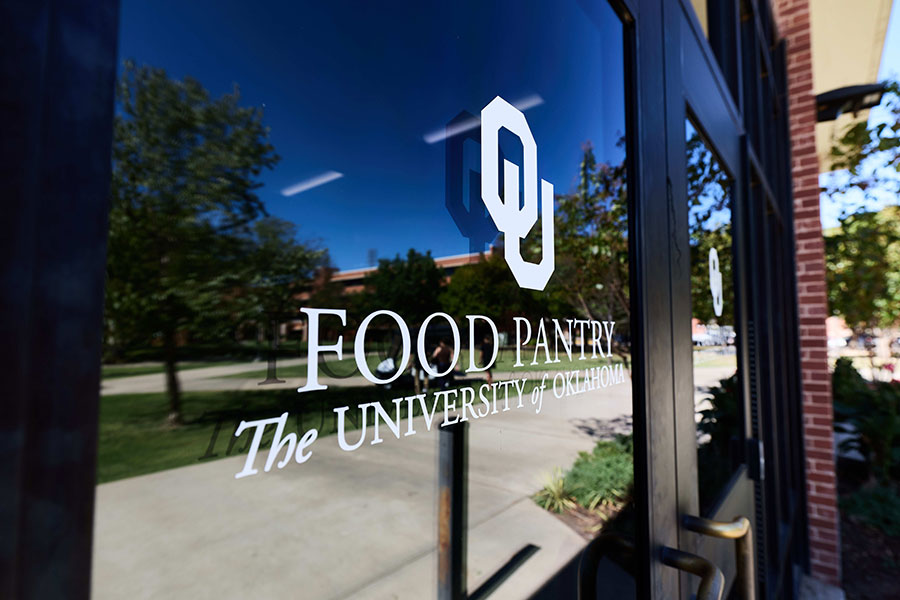
The OU Food Pantry won the annual Red River Food Fight, collecting 31,815.9 pounds of shelf-stable food and drinks to top UT Outpost’s 22,567 pounds. OU has won the competition four years in a row.