July 07, 2025
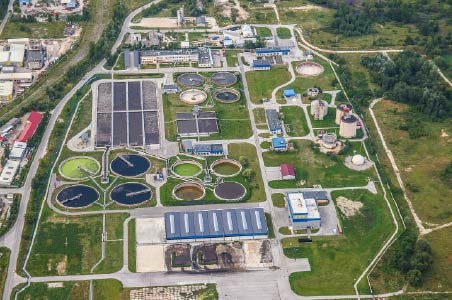
A new study from the University of Oklahoma reveals that public attitudes toward municipal wastewater reuse in Oklahoma are more favorable than previously assumed, including in regions with politically conservative populations.
December 02, 2024
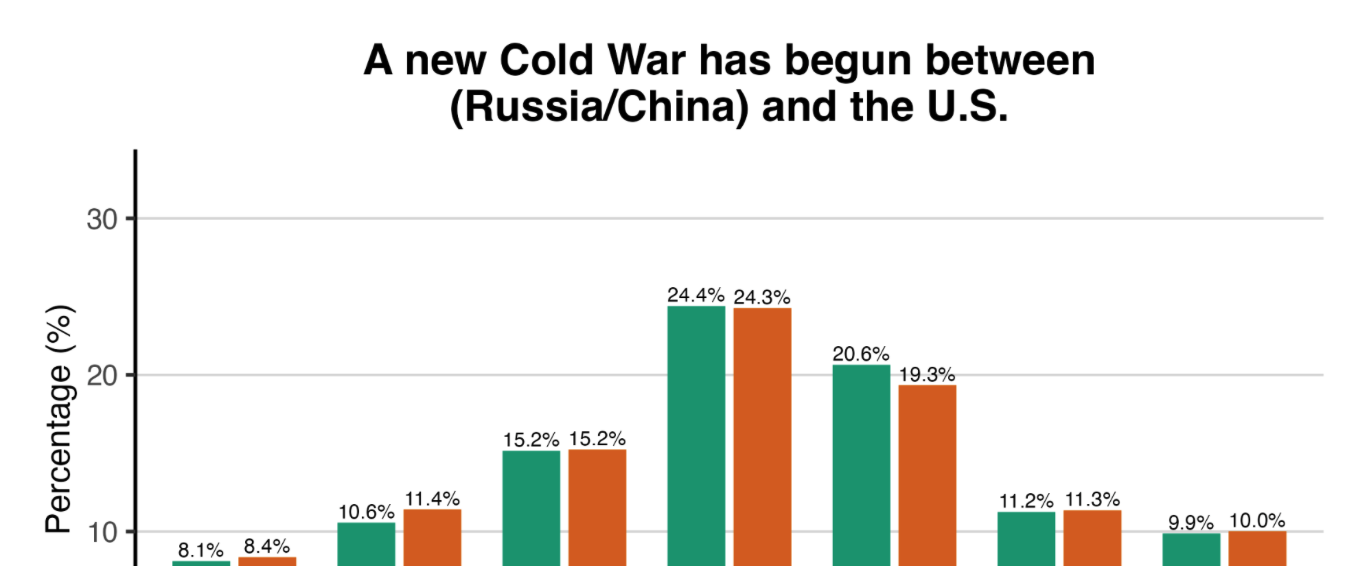
This white paper examines Americans' perceptions of the evolving nuclear threats from Russia and China, based on the National Security Survey (NS 2024). The paper highlights how public opinion influences U.S. nuclear policy, especially in light of Russia's nuclear modernization and China's expanding capabilities. It reveals that a significant portion of Americans view both nations as major threats, with China seen as the greater challenge to U.S. global influence. While there is broad support for nuclear deterrence, public concern over escalating arms races and the potential for nuclear conflict, particularly in regional hotspots like Taiwan and Ukraine, is significant. The paper suggests that policymakers must balance the need for robust deterrence with cost considerations, address public fears of nuclear escalation, and engage in transparent dialogue to align policies with public values, ensuring both security and democratic governance.
April 26, 2024
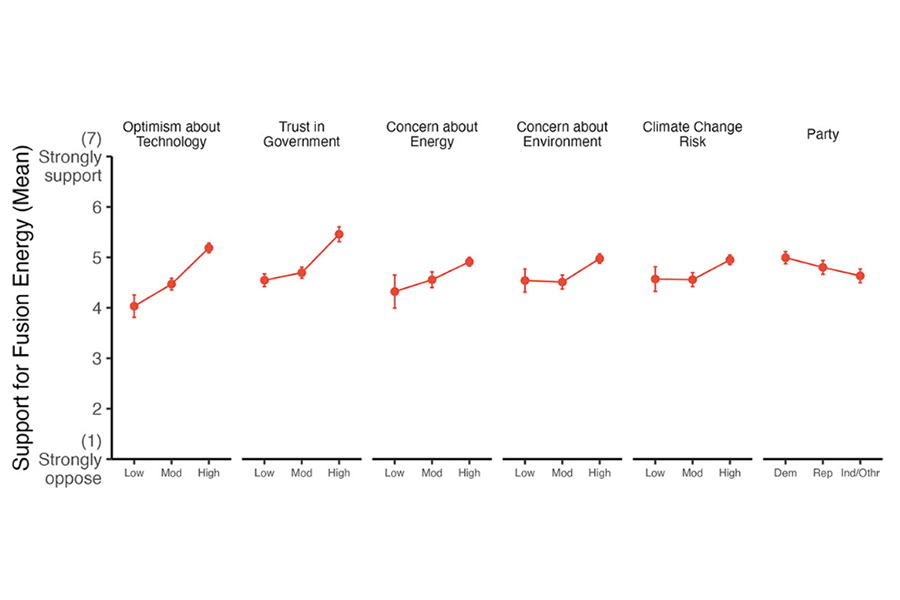
Research from the IPPRA team of Dr. Gupta, Dr. Jenkins-Smith, Dr. Ripberger, Dr. Silva, Dr. Fox, and Dr. Livingston has recently been published in the journal Fusion Science and Technology. The article delves into the exciting realm of fusion energy and its potential to revolutionize clean energy production. This research focuses on the social challenges that must be addressed to realize fusion energy's full potential. A representative sample of the U.S. public was surveyed to gauge prospects for sustainable public support for fusion.
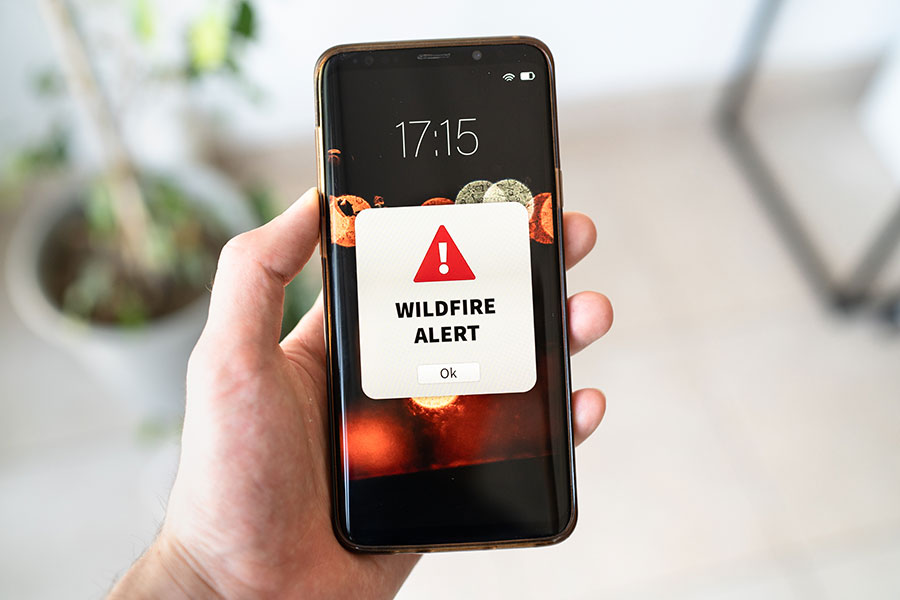
Nationally, individuals facing wildfire threats have no unified system to rely on. A team of researchers, led by Joe Ripberger from the University of Oklahoma, is looking to fill that gap.
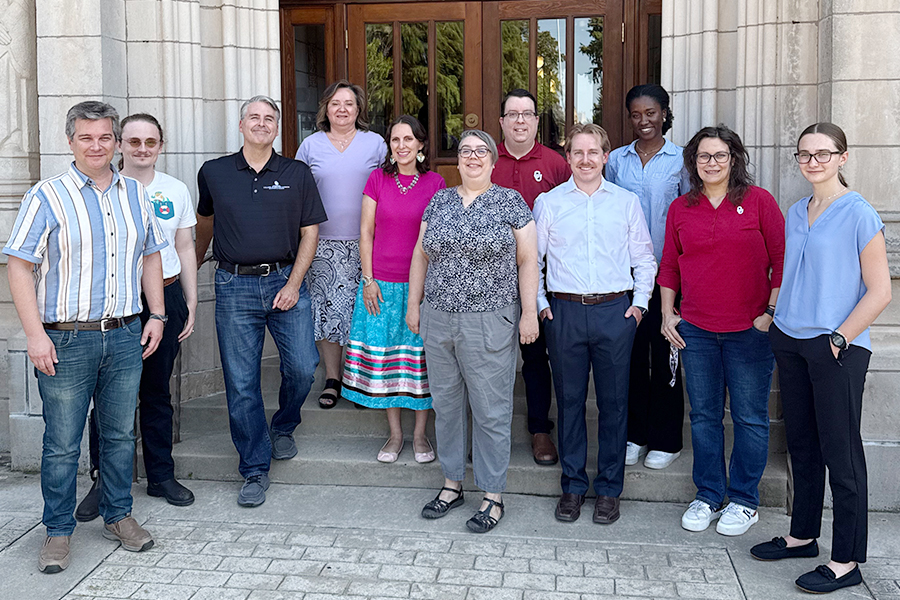
An interdisciplinary team of researchers from across the University of Oklahoma has received a $1.2 million grant from the National Science Foundation to transform how communities anticipate and mitigate risks from treefall during extreme weather events.
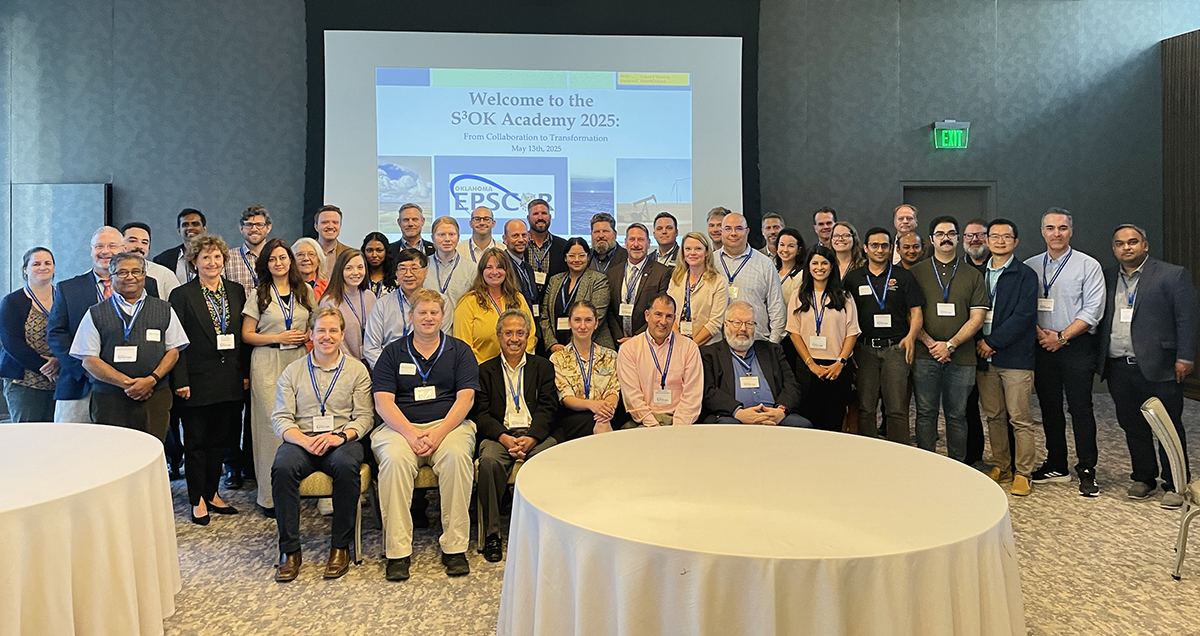
On Tuesday, May 13, the University of Oklahoma’s Institute for Public Policy Research and Analysis hosted the final Academy meeting of the Socially Sustainable Solutions for Water, Carbon, and Infrastructure Resilience in Oklahoma, or S3OK, project. Funded by the National Science Foundation through the EPSCoR program, the event brought together academic researchers and statewide practitioners for a forward-looking capstone event in Oklahoma City.
The Office of the Vice President for Research and Partnerships recognized faculty recipients of the awards for excellence in campus-wide research and creative activities, as well as eight recipients of active early career awards, 25 project teams that earned $1 million or more in extramural funding and nine recipients of patents at a ceremony on May 16.
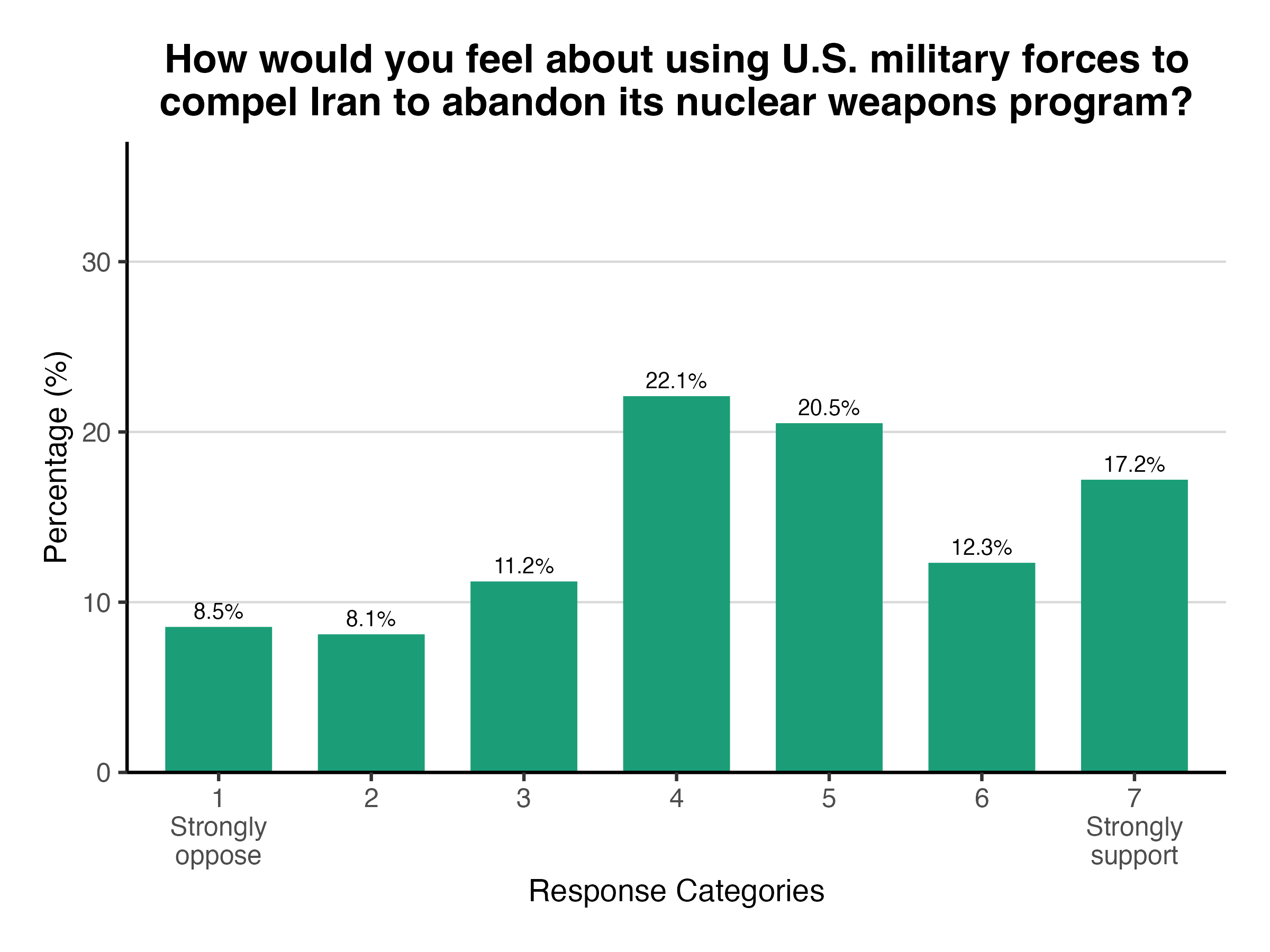
This white paper explores how Americans perceive the risks posed by a nuclear-armed Iran and the implications for U.S. policy. It reveals widespread public concern over potential nuclear conflict, regional instability, and terrorism linked to Iran’s nuclear ambitions. The survey found significant support for military action, alongside fears of regional proliferation and nuclear terrorism. The paper highlights the critical role of public opinion in shaping U.S. foreign policy strategies, emphasizing the need for diplomacy, enhanced non-proliferation efforts, and robust military readiness to address these challenges while balancing public sentiment and strategic imperatives.