OU's Electrical Engineering delves into designing and testing diverse electrical systems for applications like energy delivery, avionics, and communications. It stands as one of GCoE's broadest disciplines, offering students hands-on experience with cutting-edge technology to ready them for the professional sphere. Similarly, Computer Engineering plays a crucial role in developing and enhancing daily hardware and software, from personal devices to high-tech defense systems, while strategizing on optimal technology utilization and advancements.
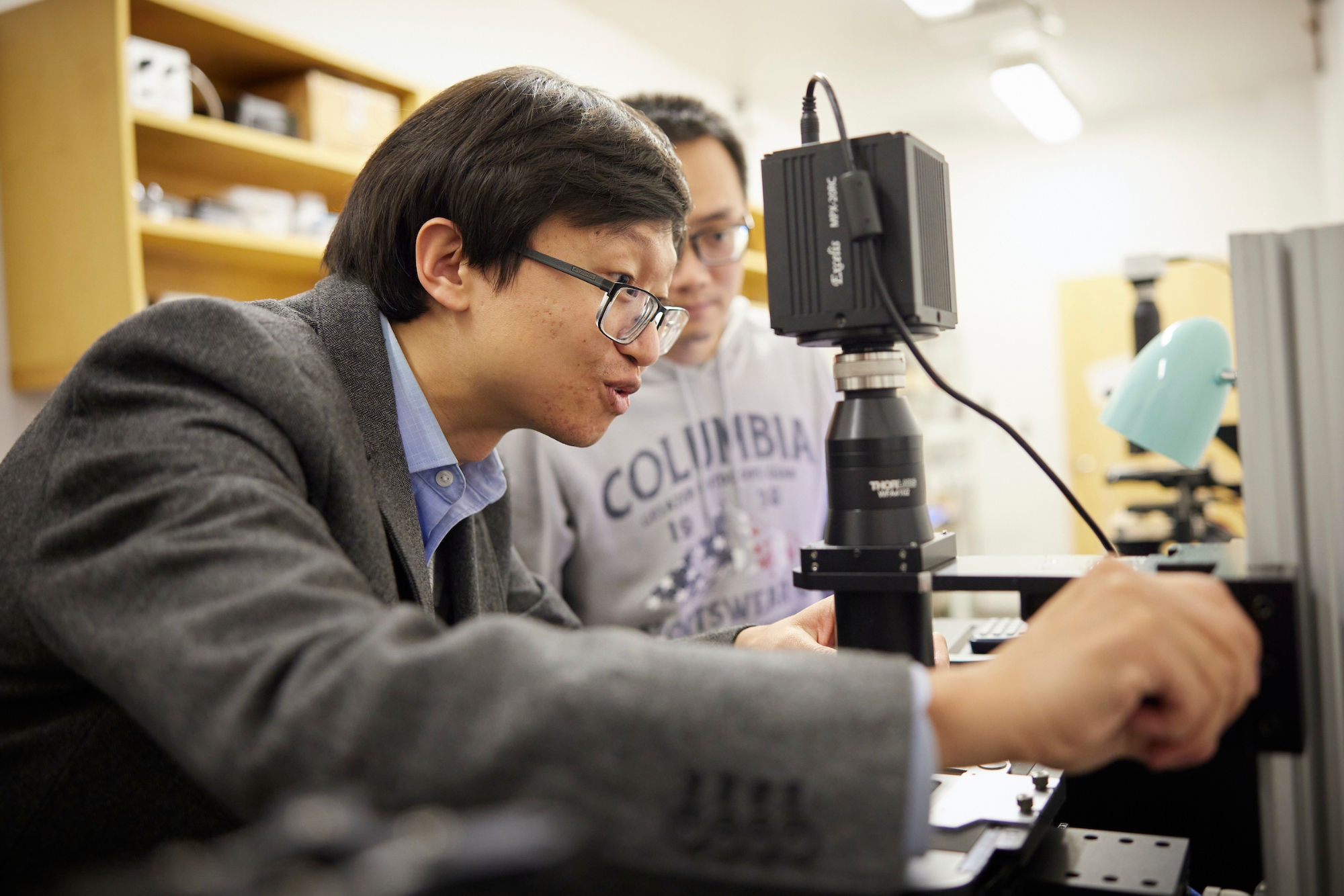
Our distinguished faculty specializes in a wide array of engineering fields, offering students tailored research experiences in radar, medical imaging, communications, and more, elevating their engineering skills.
With an annual average of over $11M in research expenditures, our department stands out nationally, providing students the opportunity to learn from renowned experts and actively engage in groundbreaking research endeavors.
Our carefully crafted lab sequence navigates students through crucial engineering concepts, from digital circuits to real-world capstone projects, equipping them with practical skills essential for their professional journey.

Logan Tanner, an honors computer engineering senior pursuing an accelerated master's degree, was named the 2026 OU Outstanding Senior in Computer Engineering. Currently, he serves as the president of OU's IEEE Student Branch. Logan played a pivotal role in helping to reestablish OU’s IEEE chapter in 2024, and it has already become a staple of OU’s ECE College in just over a year. He also works as an undergraduate research assistant at the Advanced Radar Research Center on antenna-based projects. Over the summer of 2026, he will intern at Sandia National Laboratories as a part of their Special Radars team.


Samone Cook, a senior computer engineering major with a computer science minor, specializes in embedded systems, mixed-signal electronics, and robotics prototyping. Her research includes developing electromagnetic interference shielding strategies to improve the reliability of medical sensing systems. Through her internship with Harvard Gami, she developed a custom sensor payload for a drone system to capture environmental data for schistosomiasis intervention in Nigeria.


Reza Ahmadvand, an electrical and computer engineering Ph.D. candidate, is the recipient of the IEEE OU Chapter Distinguished ECE Researcher Award and the Ph.D. Recruitment Excellence Fellowship. He has authored articles in premier scientific journals including IEEE Transactions, and Nature-affiliated journals. He has also filed a U.S. patent on a novel neural computing model. His work leverages neuromorphic and phase-aware neural dynamics to design digital twins and learning-based navigation and control architectures for multi-UAV systems and space robotics, with a strong emphasis on real-time edge deployment.
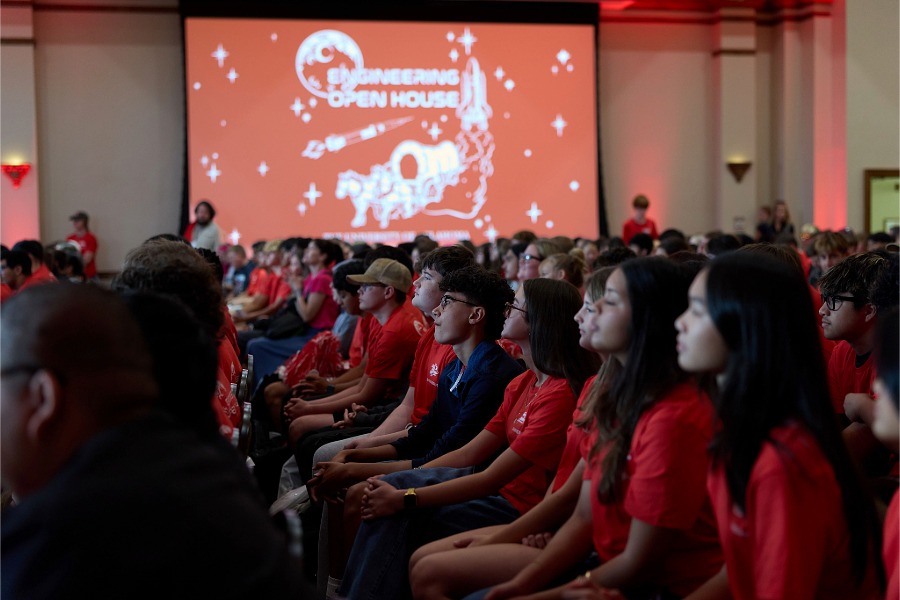
Gallogly College of Engineering welcomed more than 850 high school students representing more than 40 schools from communities across Oklahoma to the University of Oklahoma on Tuesday, Sept. 22, for the 114th Engineering Open House.
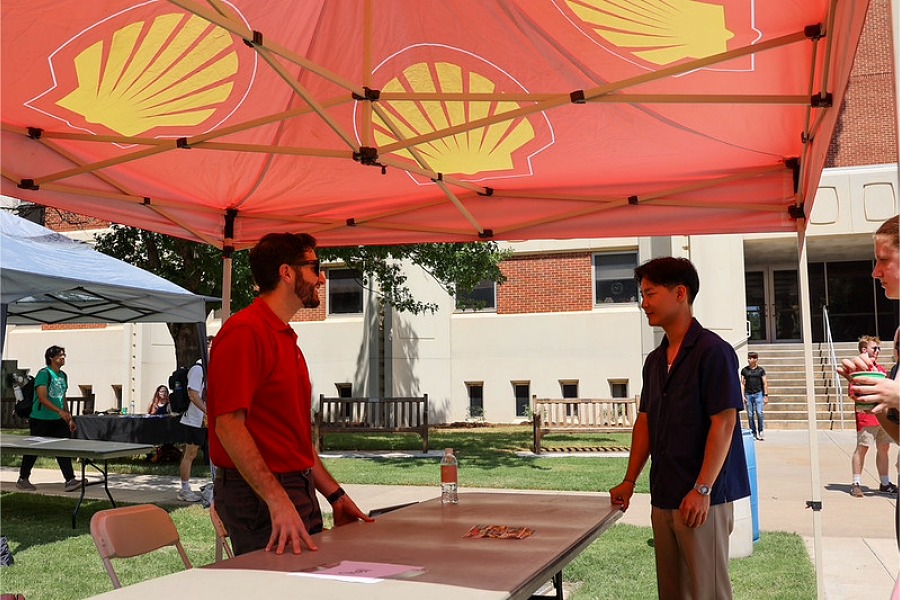
More than 800 students gathered in the Engineering Quad at the University of Oklahoma to kick off the fall semester at the annual Shell Fall Fest, a long-standing tradition that welcomes students into the OU Engineering community.
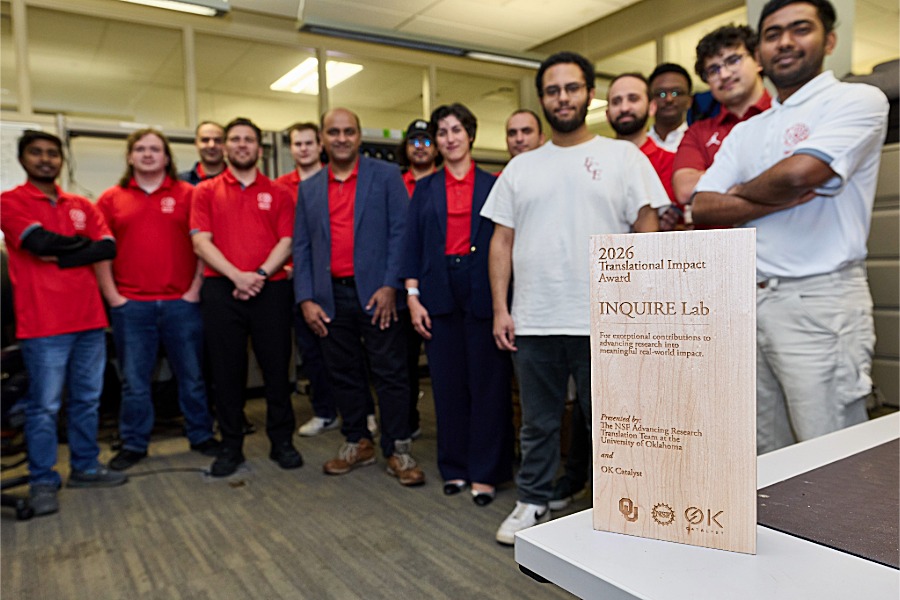
The Gallogly College of Engineering congratulates the INQUIRE Lab and faculty from the School of Electrical and Computer Engineering (ECE), including Dr. Mike Banad, associate professor, and Dr. Sarah Sharif, assistant professor, on their recognition at the Celebrating Research Translation at OU event, held April 9, 2026, at the Sam Noble Museum of Natural History.