Big questions don’t scare us.
They drive us.
At the University of Oklahoma, research isn’t just something we do. It’s how we serve our state, advance knowledge, and build a better future for all 77 counties and beyond.
Because discovery should do more than expand knowledge.
It should change lives.
Oklahoma's Leading Research Institution
Funding
$517M
Annual Research Expenditures
Ranking
Top 4%
Nationally in NIH Funding
Blue Ridge Institute for Medical Research
Distinction
No. 1
Nationally in Atmospheric Science & Meteorology Funding
NSF HERD Survey
Innovation
No. 67 U.S. / No. 1 OK
Universities Granted Utility Patents
National Academy of Inventors
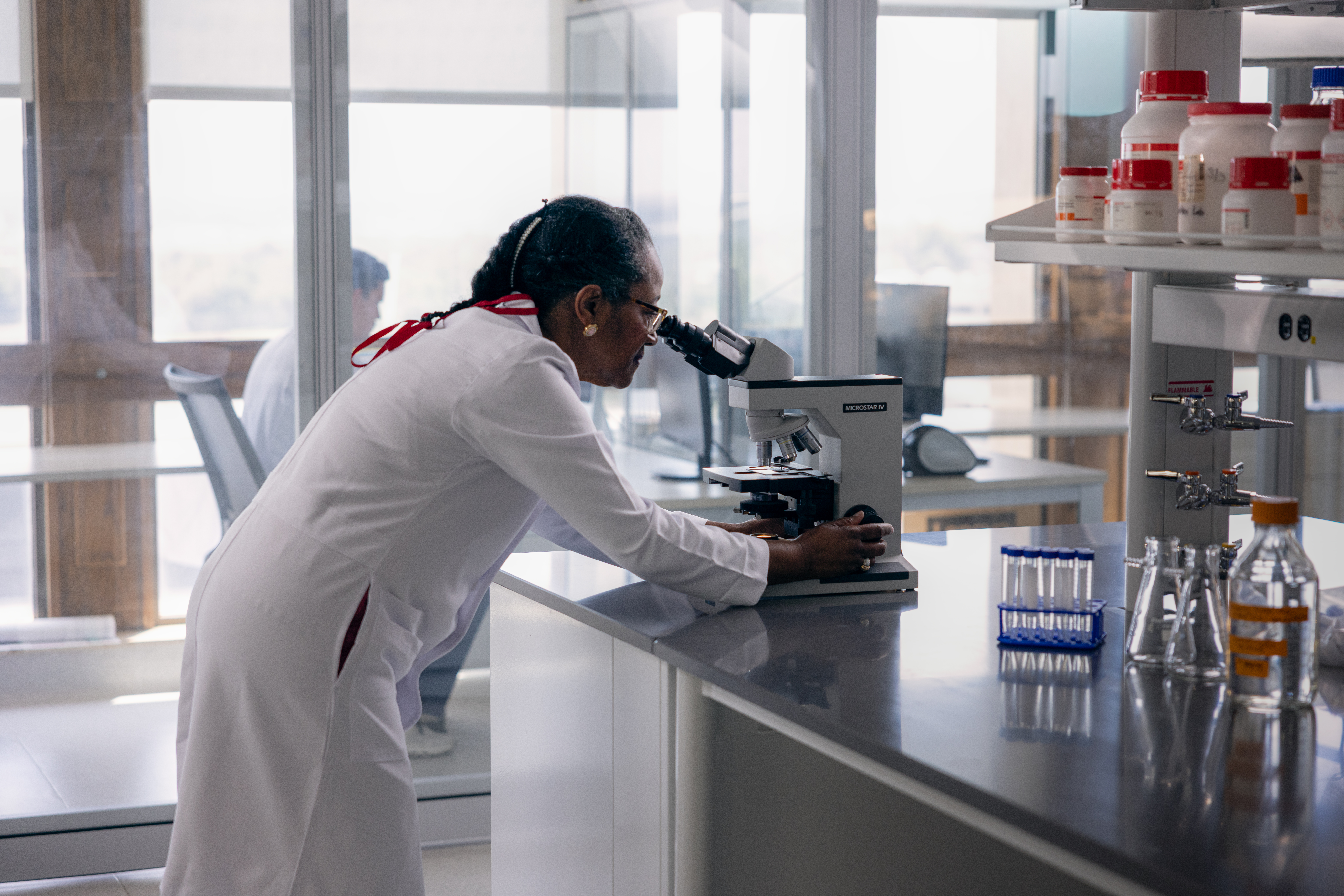
Oklahoma faces some of the most persistent health challenges in the country. As the state’s only academic health system, it is our solemn duty to push the boundaries of what’s possible in medicine to meet those challenges. We are striving to provide the research-driven, highly specialized care that only an academic health system can give to all of Oklahoma.
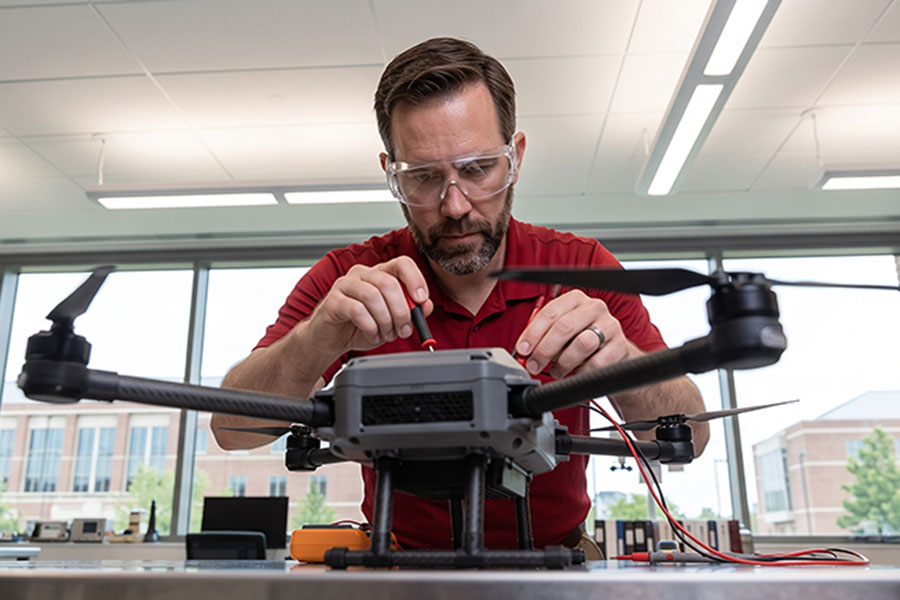
Oklahoma has a long-standing and deeply embedded aerospace and defense ecosystem, anchored by major federal installations, world-class sustainment and logistics capabilities, and a growing network of industry partners. This concentration creates a rare environment where innovation, workforce development, and operational readiness intersect, allowing research advances to move rapidly from concept to application.

Oklahoma sits at the center of some of the most complex weather patterns on the planet, and there’s no better place to study the weather. OU is home to the National Weather Center and a dense concentration of atmospheric science expertise, making it the perfect place to lead innovation in forecasting, risk reduction and community resilience.

As a major producer of oil and natural gas and a net energy exporter, Oklahoma serves as a real-world laboratory for advancing subsurface energy systems, carbon management, grid resilience, and next-generation energy technologies. According to the U.S. Energy Information Administration, Oklahoma produces far more energy than it consumes, positioning the state to lead innovation critical to national energy security and reliability.
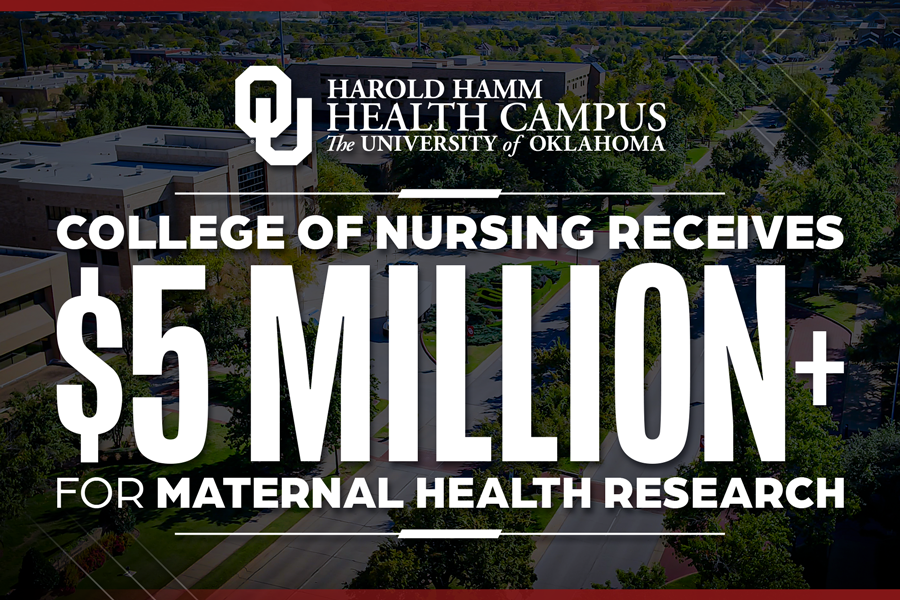
OU College of Nursing receives millions to advance maternal health research
Thanks to more than $5 million in funding through a National Institutes of Health initiative, the University of Oklahoma's College of Nursing will support four maternal health research projects over the next four years.
OU researcher to study CAR T-Cell and opaganib combination in clinical trials for ultra-high-risk multiple myeloma
A University of Oklahoma physician-researcher recently received $2.9 million in funding from the National Cancer Institute to study whether RedHill Biopharma’s drug opaganib, given after CAR T-cell therapy, can help the immune cells fight cancer more effectively.
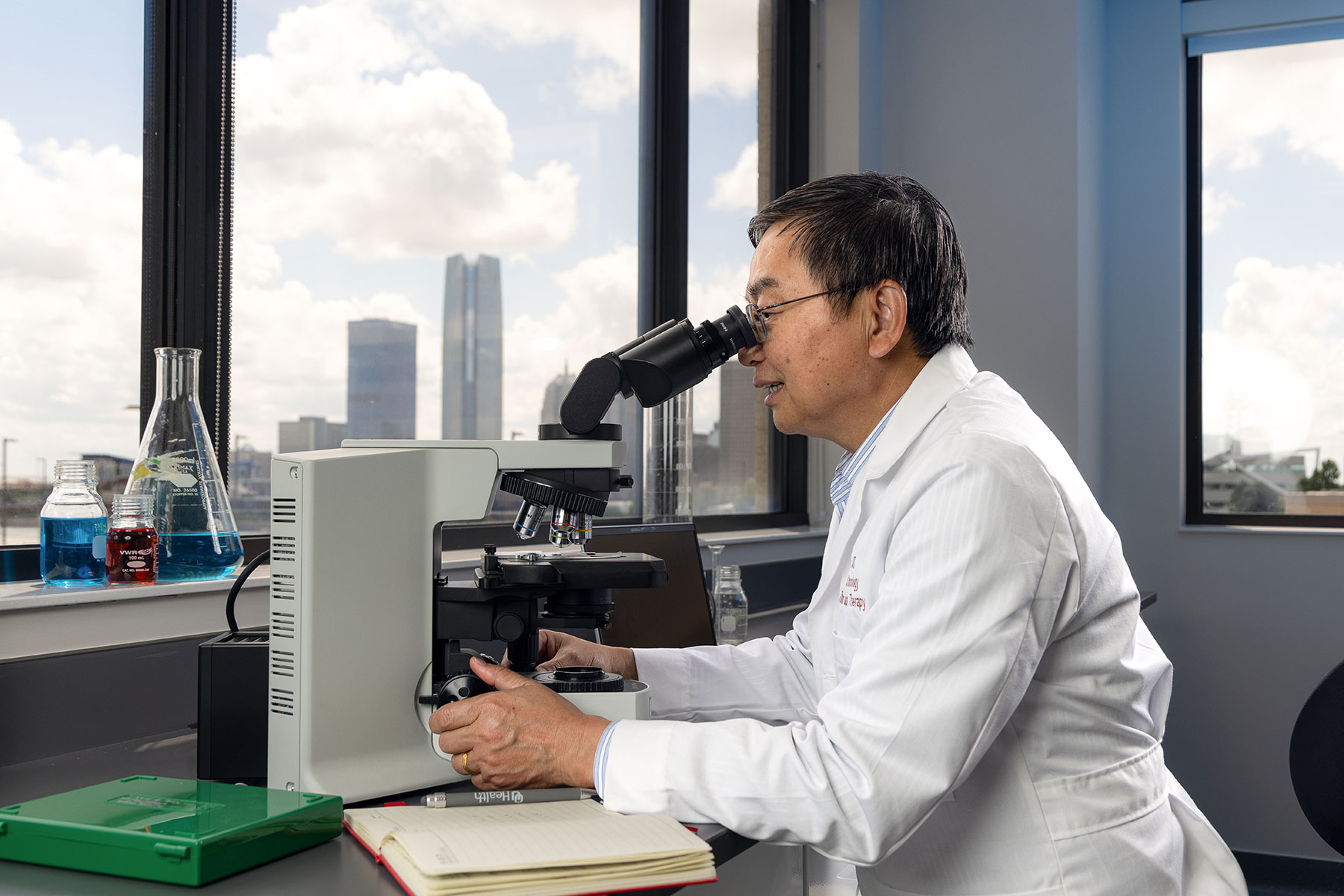
OU diabetes researcher identifies potential new target for type 2 diabetes
A protein called Miro1 found at elevated levels in the skeletal muscle of people with type 2 diabetes may contribute to insulin resistance, potentially making it a target for future treatments that help the body regulate blood sugar, according to a study published today in Nature Communications.


Discovery moves fast.
Make sure you don't miss it.
The One is the University of Oklahoma’s weekly newsletter, sharing the stories that define OU. From groundbreaking research and innovation to campus achievements and community impact, The One highlights the people, ideas, and discoveries that remind us there’s only one Oklahoma.