OU has established leadership in Diabetes through the Harold Hamm Diabetes Center and key departments in the College of Medicine. OU’s Diabetes efforts will have a core mission in understanding, preventing, and treating diabetes and metabolic disease, conditions that represent some of the most pressing and costly health challenges facing Oklahoma and the nation.
By linking basic discovery with clinical and population-level interventions, OU will advance scalable solutions to reduce disease burden and improve long-term outcomes.
OU Health Harold Hamm Diabetes Center has quickly emerged as one of the world’s top comprehensive centers of excellence for adults, young adults and children with all types of diabetes. Through novel research aimed at progress toward a cure for diabetes and its complications, dramatically improved patient care options, and programs aimed at preventing the spread of diabetes, the center is rapidly curtailing the impact of the world diabetes crisis.

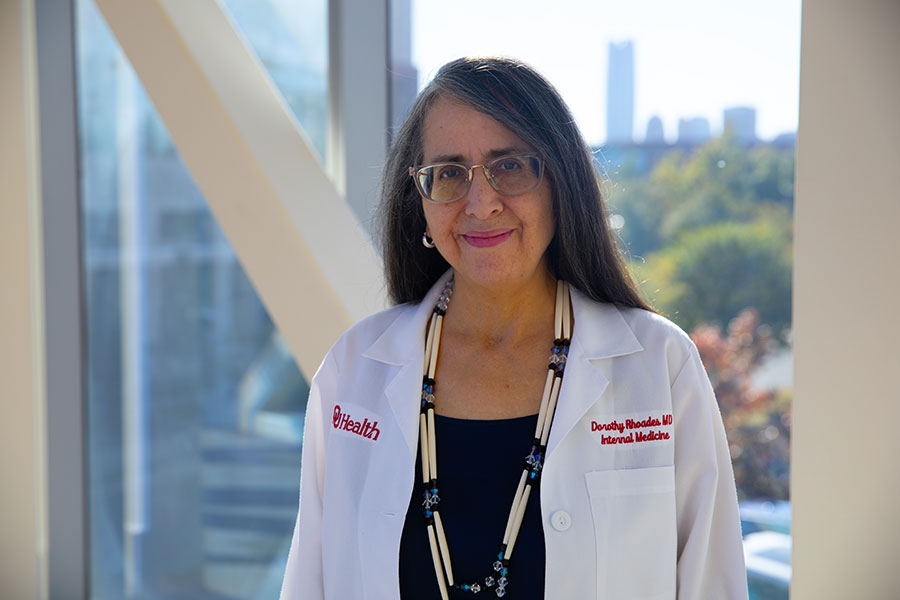
Dorothy A. Rhoades, M.D., M.P.H., has been recognized for her impact on improving Native American health outcomes. She was honored by the Association of American Indian Physicians at its 54th Annual Meeting & Health Conference.
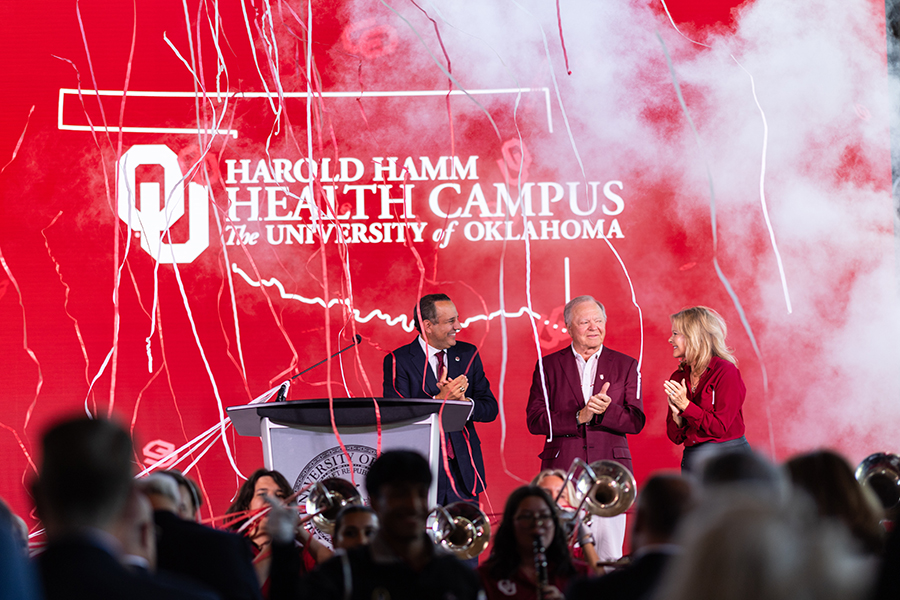
The University of Oklahoma announced an historic $150 million gift from Harold Hamm, the largest single gift in university history, to lift the health of Oklahoma.
The University of Oklahoma today announced an historic $150 million gift from Harold Hamm, the largest single gift in university history, to lift the health of Oklahoma by advancing health education, research and discovery, strengthening the state’s health care workforce and accelerating the pursuit of breakthroughs against Oklahoma’s critical public health challenges.
A University of Oklahoma researcher is part of an international team developing a new way to discover obesity drugs using human cells instead of animal models, an approach that could speed the development of more effective and affordable treatments. The effort is supported by a $12 million grant from the Novo Nordisk Foundation.
New research from University of Oklahoma researchers, published in Cell Reports, reveals that a hormone that reverses obesity in mice appears to work by signaling to a brain region involved in metabolism and appetite regulation, the same area targeted by the popular GLP-1 drugs.
New research from the University of Oklahoma has found that supplementing pregnant and lactating mice with a naturally occurring compound produced by healthy gut bacteria significantly lowered rates of fatty liver disease in their offspring as they aged.
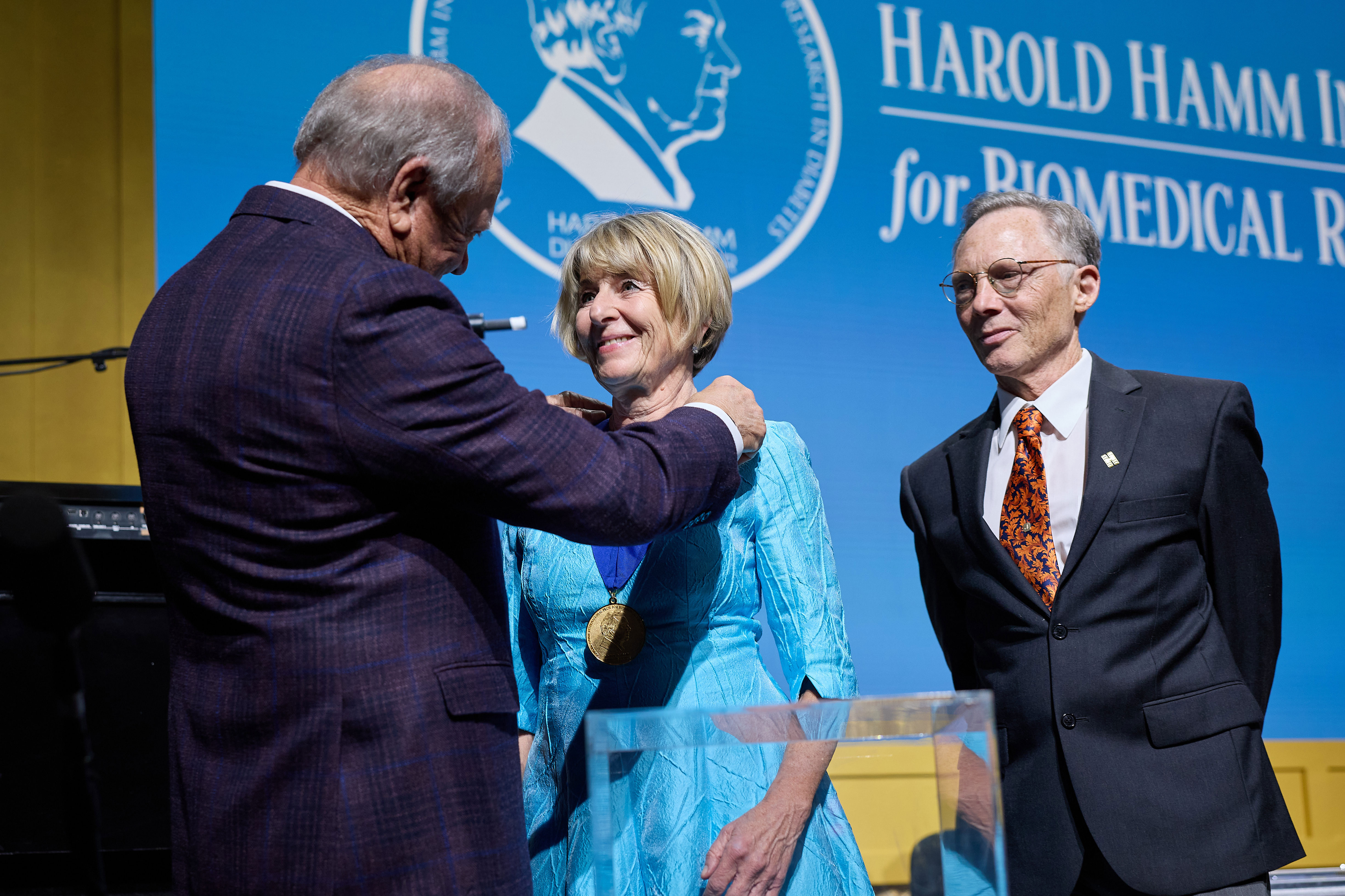
More than 800 people attended the 2025 Connect+Cure Gala on Wednesday night, raising $4.7 million to support research and programs at the University of Oklahoma Health Harold Hamm Diabetes Center.
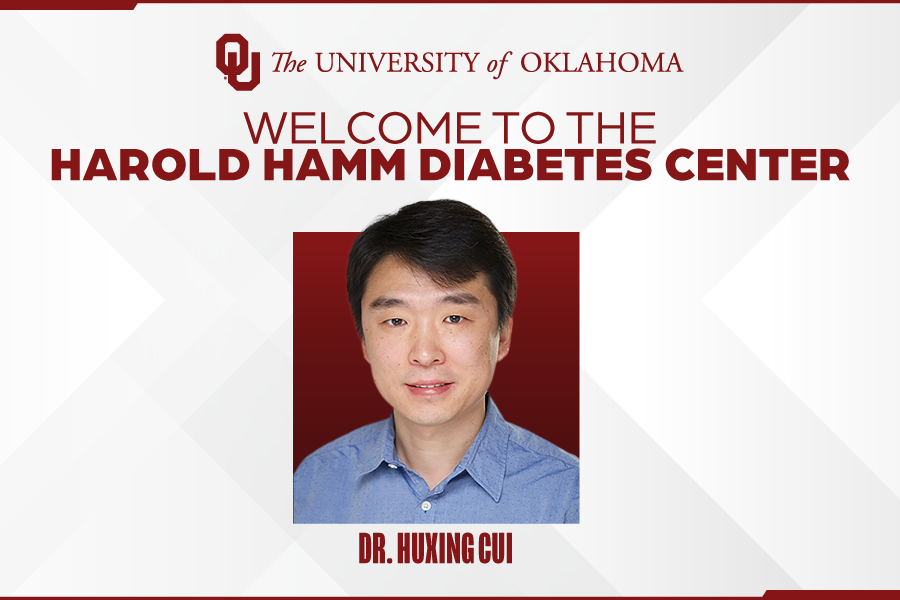
In June, Huxing Cui, Ph.D., joined the OU Health Harold Hamm Diabetes Center as associate professor in the OU College of Medicine, Department of Cell Biology. Prior to joining the OU Health campus, Cui was most recently an associate professor of neuroscience and pharmacology at the University of Iowa.
A pioneering research study by Matthew Potthoff, Ph.D. published today in Cell Metabolism details how the hormone FGF21 (fibroblast growth factor 21) can reverse the effects of fatty liver disease in mice. The hormone works primarily by signaling the brain to improve liver function.
The Harold Hamm Diabetes Center at the University of Oklahoma Health Sciences will gain a new deputy director, Matthew Potthoff, Ph.D., effective January 1. Potthoff will also hold the title of Harold Hamm Endowed Chair in Clinical Diabetes Research and professor of biochemistry and physiology, with a secondary appointment in the division of neurology in the OU School of Medicine.