Date
Four studios, two undergraduate level and two graduate level, of architecture students have been working on a project designing housing and community space for all abilities in the Norman area. The undergraduate studios are led by Amy Leveno and Esin Pektas. The graduate studios are led by Dr. Lee Fithian and Sam Callahan.
These studio students have been working with ABLE, a Norman-based non-profit that supports adults with developmental and intellectual disabilities. ABLE provides access to independent daily living assistance, group home facilities, vocational training, day-activity programs, on-the-job support, and community service activities. By acquiring self-sufficient living abilities and marketable work skills, people with developmental disabilities can expand their options of lifestyle, housing, and employment.
ABLE currently operates four group homes and two Direct Living-Assistance Services homes. There is trained, around the clock staff both at both the houses and workshop to support residents to live as independently as possible. The residential spaces give a home-like environment and teach daily living skills to a maximum of thirty-seven residents. The residential program gives residents even greater autonomy, giving ready access to support for tasks like banking, shopping, and transportation.
The 4th year studio project has been centered around the concept of universal design, the idea that architects and designers need to ensure that the spaces they are designing meet the needs of everyone who might use it. Students have been taught about ADA regulations, the history of architectural ableism, and how to fight their own bias to create inclusive designs.
Student learned about the struggle of disabled people for equality and equal rights. They also learned about the lack of accessibility in public spaces, including spaces on the University of Oklahoma’s campus. By learning about how design has been used to exclude certain users from spaces, students are better able to recognize their own bias and avoid making the same decisions.
This project also challenges students to design with a certain user group in mind. Everything, including the figures used in models and drawings, should keep their user group, the residents of ABLE who have specific needs, in mind. Students have been encouraged to consistently return to the central idea of universal design as well as remember the needs of their user group.
Some of the students’ projects will also be entered into the 2022 AIA COTE Competition, an international student competition that recognizes ten exceptional student design studio projects that integrate health, sustainability, and equity.
This project is one step that the Gibbs College of Architecture is taking to educate a future generation of architects who will go on to create projects that better include all, including those with disabilities.
Featured Image: A group of protestors during the Capitol Crawl in 1990, an event where disabled protestors crawled up the Capitol steps to show how inaccessible they were, revealing a need for accessibility regulations in the built environment. Photo by Tom Olin
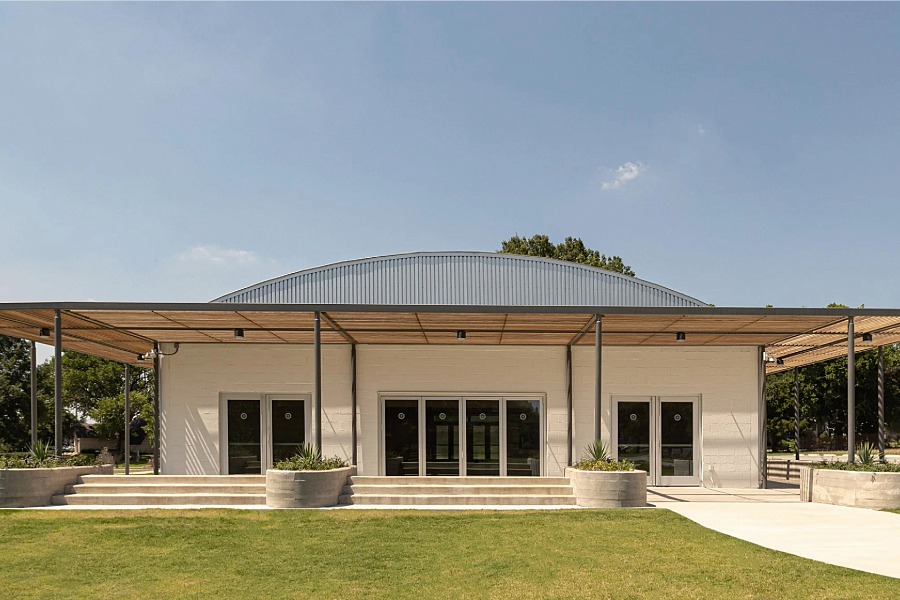
Christopher C. Gibbs College of Architecture assistant professor Amy Leveno and Mark Leveno, co-founders of OFFICIAL Design, have received a 2026 AIA Central States Region Design Award for the firm’s Granger Annex Community Center project in Garland, Texas.
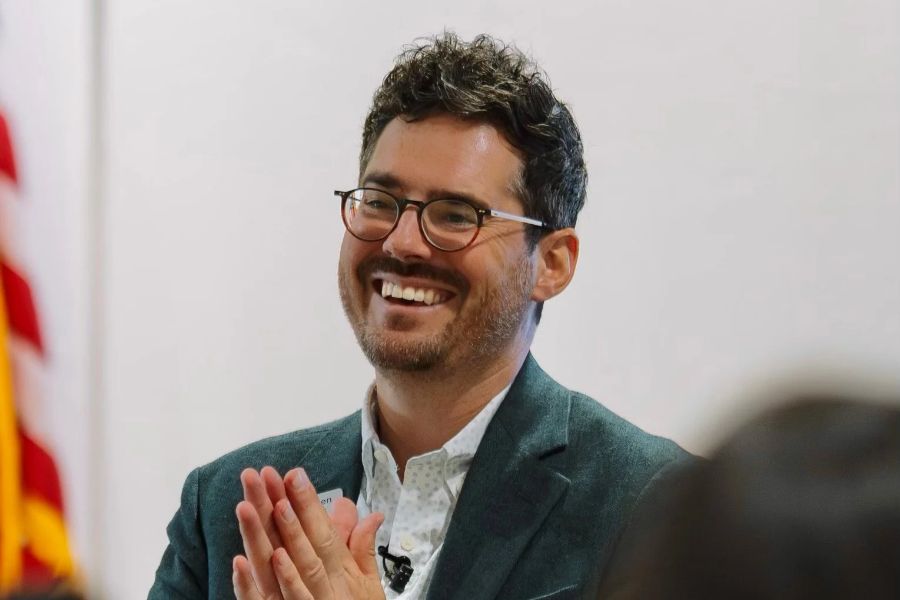
Construction Industry Speaker Series welcomed Stephen Evans from the Oklahoma City National Memorial & Museum to give a lecture on better conversations and relationship building.
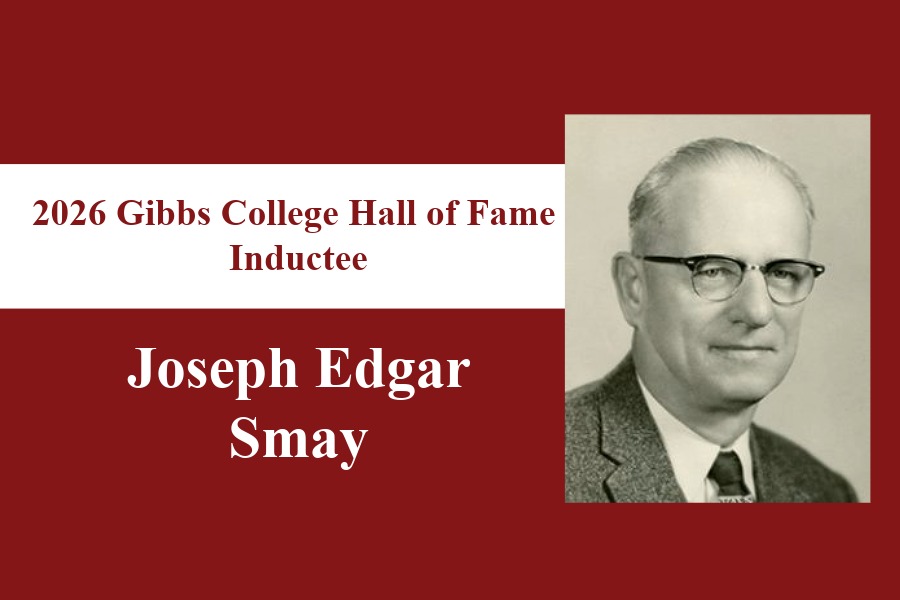
The University of Oklahoma Christopher C. Gibbs College of Architecture Hall of Fame recognizes a select number of high-character individuals who have made a significant and lasting positive impact on Gibbs College, its students, staff, faculty, alumni and/or to communities across the globe. The impact may have been, or continues to be, in the form of service and mentorship, sustained professional excellence, and/or advancement and financial support. Joseph Edgar Smay is part of the 2025 Hall of Fame class.