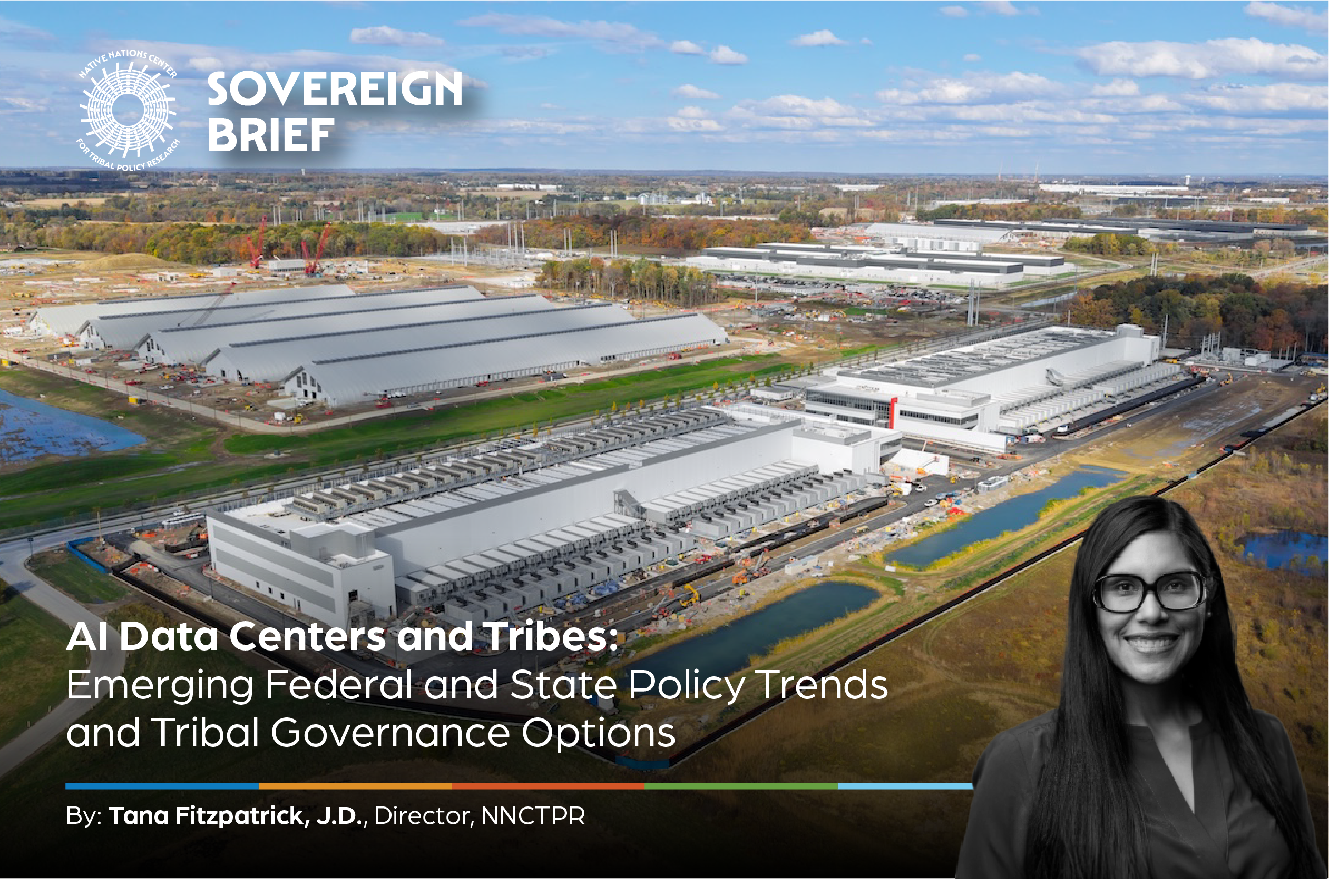
Throughout 2025 and into 2026, sovereigns across the United States (U.S.) have increasingly prioritized policy considerations involving the development of artificial intelligence (AI) data centers, or AI data centers. While data centers are not new...

Congratulations to NNCTPR's Policy Analyst on being named a 2026 UNITY 25 Under 25 Leadership Award Recipient. We are proud to celebrate this well-deserved national recognition and her continued leadership in Indian Country...
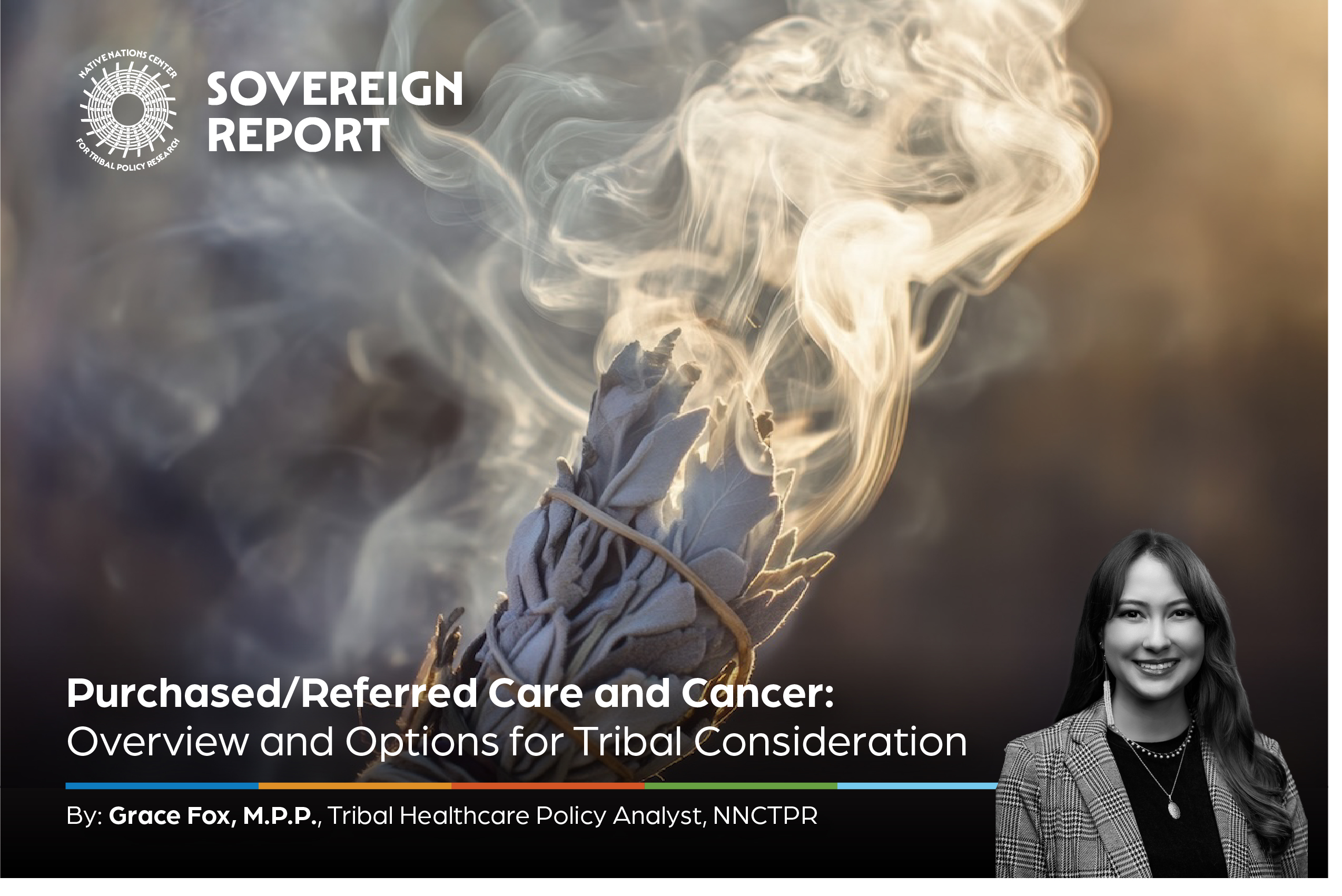
This report emphasizes the PRC process as it relates to cancer care. Cancer is an increasingly important public health priority in Indian Country. As described in this report, American Indian and Alaska Native (AI/AN) populations experience later-stage diagnoses, lower...

SRRN | Information Matters - AI is a revolutionary technology that poses potential opportunities and risks for federally recognized Indian Tribes (Tribal Nations or Tribes) and their citizens. This article provides an overview of the literature related to AI in a tribal context...
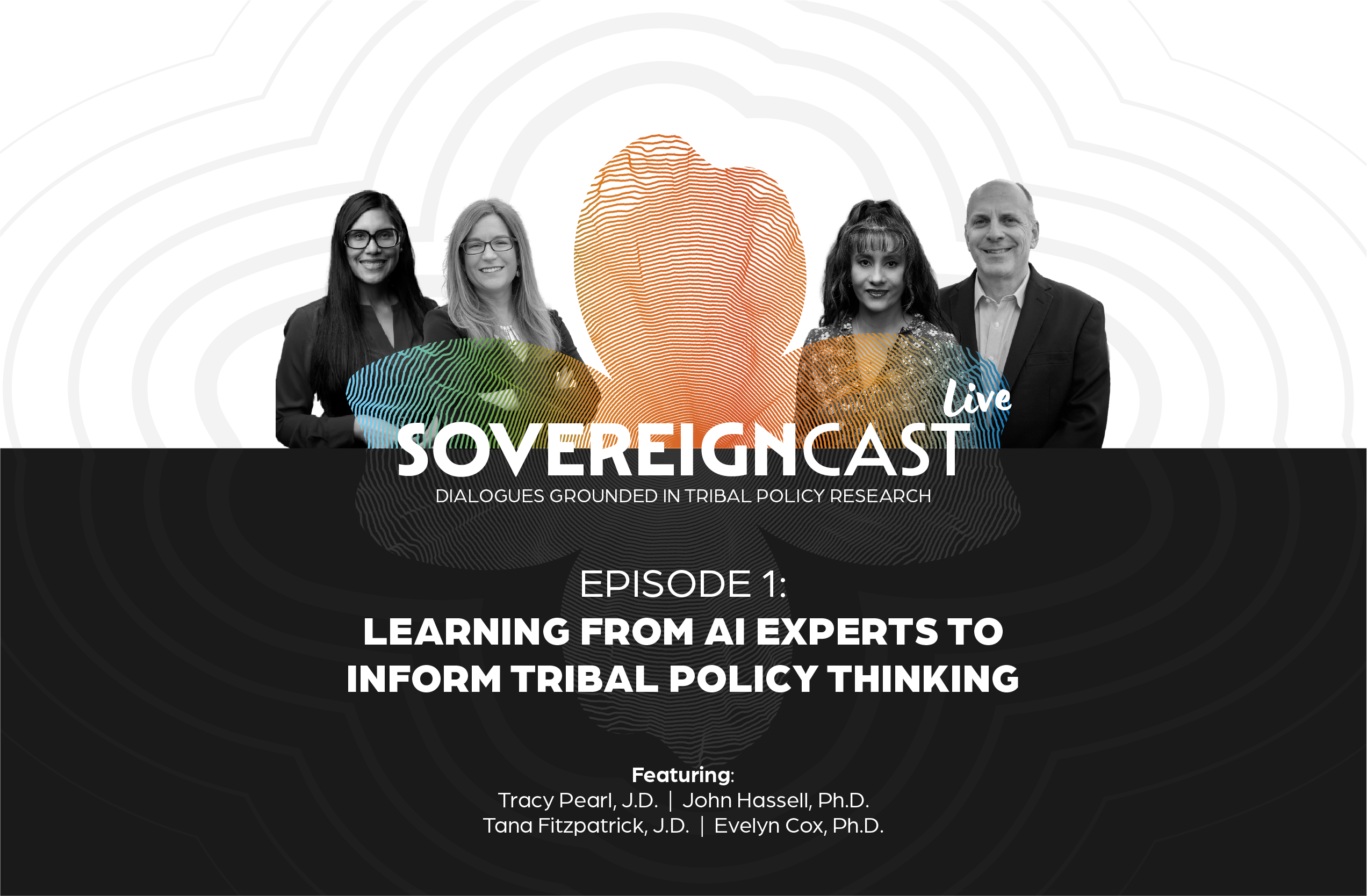
A focused discussion on the rapid growth of data centers and AI, examining the environmental, legal, and governance considerations facing Tribal Nations. The episode highlights emerging impacts on land, ....
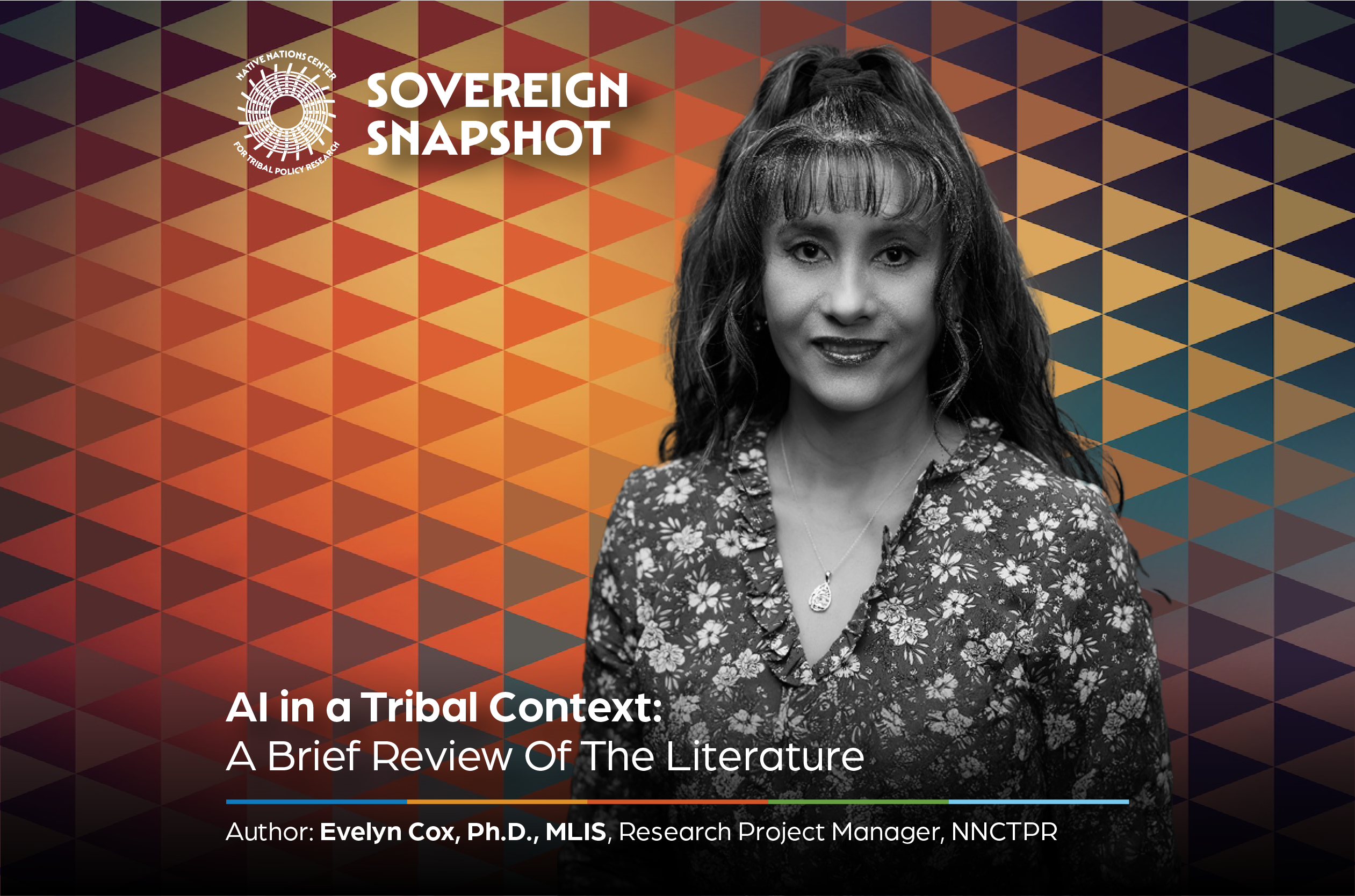
Artificial Intelligence (AI) is a revolutionary technology that poses potential opportunities and risks for federally recognized Indian Tribes (Tribal Nations or Tribes) and their citizens...
As of September 2025, no federally recognized tribe (referred to as tribe or Tribal Nation) is believed to have adopted laws regulating the potential risk and benefits posed by artificial intelligence...
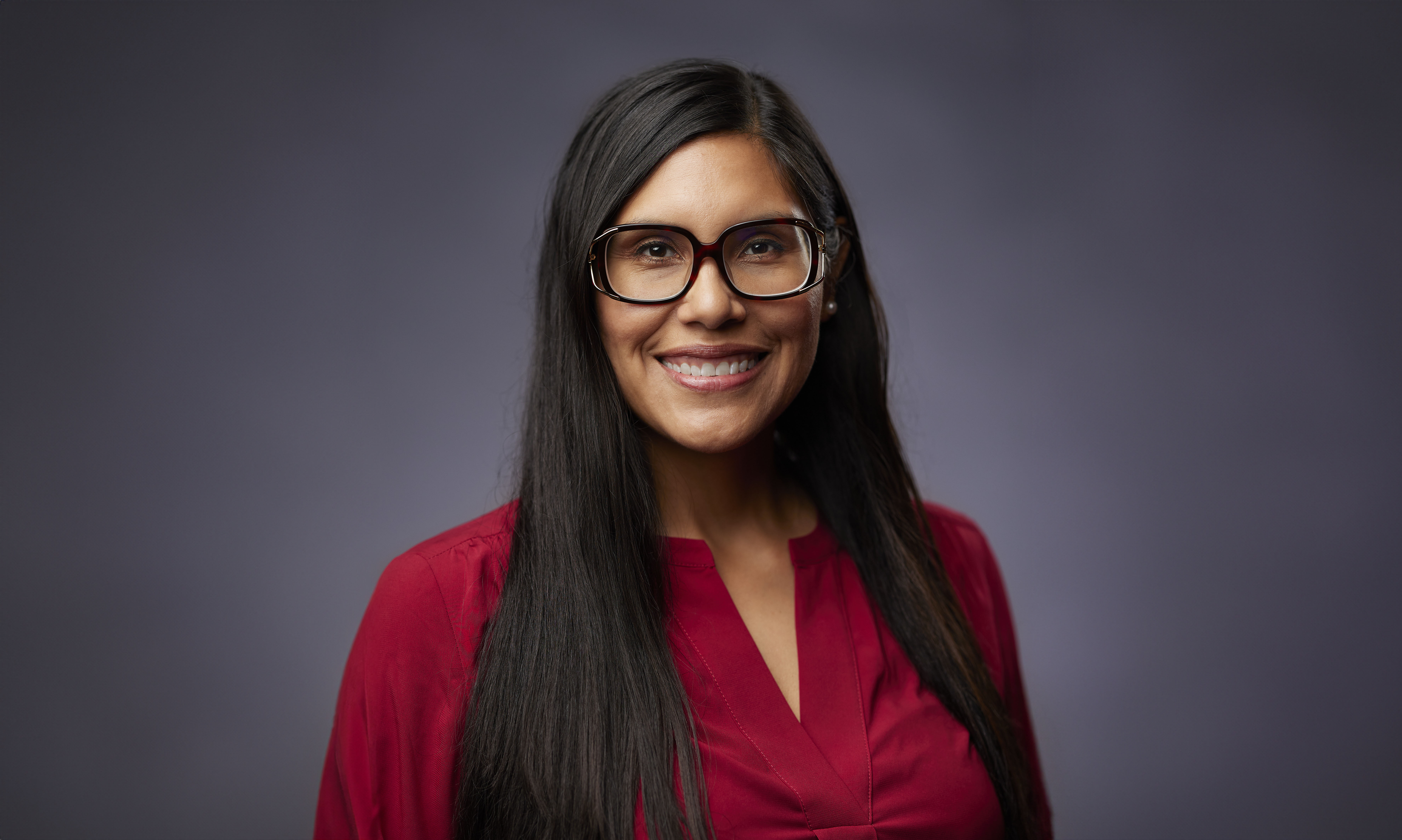
Tana Fitzpatrick, J.D., Associate Vice President of Tribal Relations and NNCPTR Director, was awarded the Hargrave Faculty Writing Award at the June 2025 Sovereignty Symposium for her research on tribal access to legal representation...
A focused discussion on the rapid growth of data centers and AI, examining the environmental, legal, and governance considerations facing Tribal Nations. The episode highlights emerging impacts on land, ....
Artificial Intelligence (AI) is a revolutionary technology that poses potential opportunities and risks for federally recognized Indian Tribes (Tribal Nations or Tribes) and their citizens...
As of September 2025, no federally recognized tribe (referred to as tribe or Tribal Nation) is believed to have adopted laws regulating the potential risk and benefits posed by artificial intelligence...
Tana Fitzpatrick, J.D., Associate Vice President of Tribal Relations and NNCPTR Director, was awarded the Hargrave Faculty Writing Award at the June 2025 Sovereignty Symposium for her research on tribal access to legal representation...
FALL 2025 - SPRING 2026
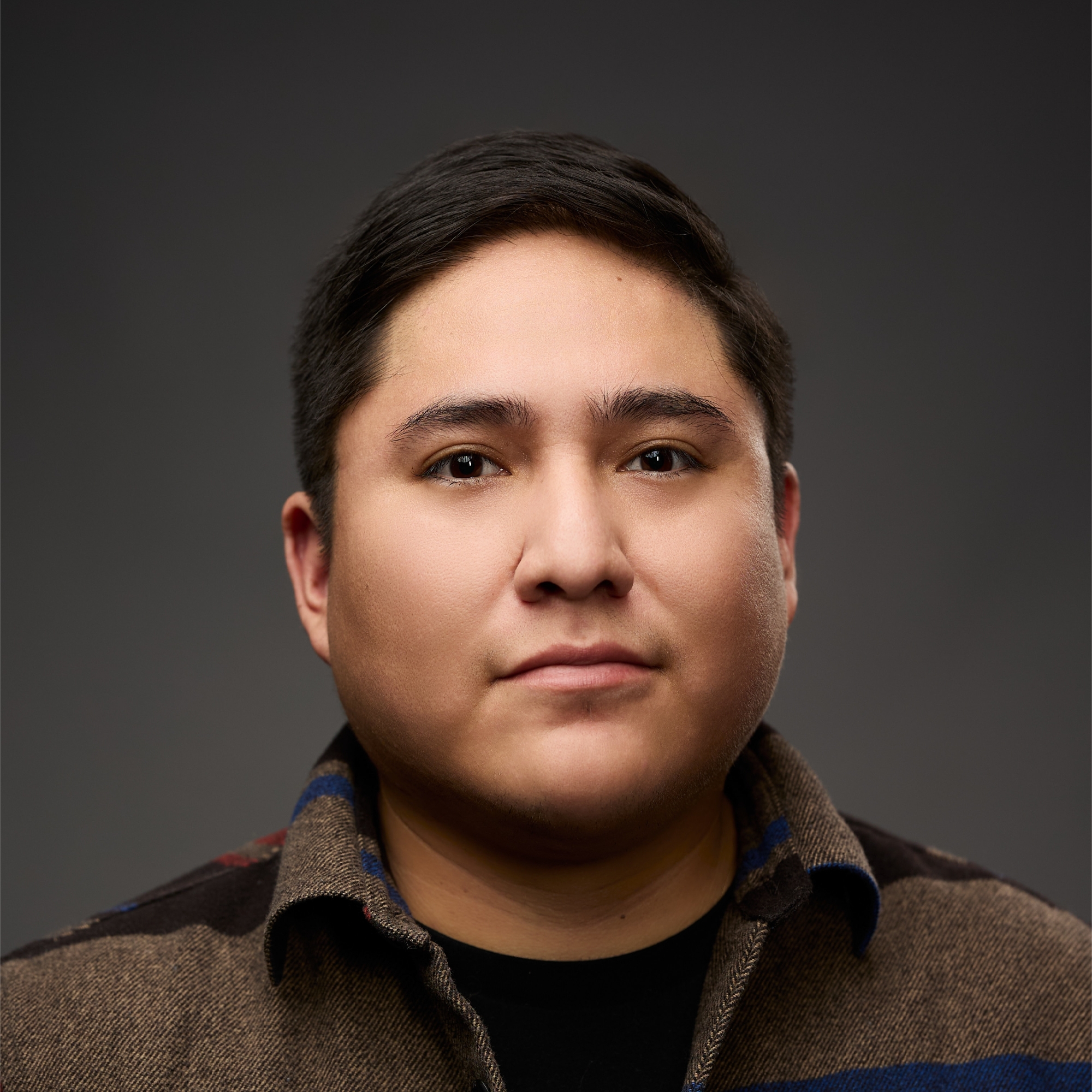
For the past three years, Quanah has shaped the visual identity of the Native Nations Center for Tribal Policy Research through thoughtful design, steady vision, and a commitment to high-quality work. Joining the Center during a period of transition, he played a key role in creating a cohesive brand and visual style that now defines the Center across all platforms.
Quanah’s contributions extend across many areas: graphic design, web design and development, digital communication, social media management, office support, and now producing the Center’s podcast, SovereignCast. His ability to bring clarity and consistency to the Center’s public presence has strengthened how we share information, resources, and programming. We’re proud to recognize his dedication and impact.
One of Quanah’s most meaningful accomplishments is the creation of the NNCTPR's first official logo. The design features a basket that remains intentionally unfinished—symbolizing the continued weaving of relationships, knowledge, and shared work with Tribal Nations and partners. The basket strands represent interconnection and the strength that comes from working together. The colors draw from the land and natural world: sky, plant life, earth, wind, and water—elements that are central to the traditions, stories, and cultural values of many Tribal Nations. This symbolism became the foundation of the Center’s full rebrand, including the redesign and modernization of the Center’s website and overall digital presence.

Grace Harris is a member of the Cherokee Nation and senior undergrad double majoring in Political Science and Native American Studies. Her aspirations include going to law school after graduation and focusing on Native law, in hopes of working for either a tribe or the federal government in tribal advocacy. Her time at the Native Nations Center was spent updating a spreadsheet on federal and tribal government relationships, specifically on the consultation process. This spreadsheet includes federal agency liaisons to tribes as well as any important contact information needed in the consultation process. She was also held responsible for completing a research memo on this process, as well as any recommendations for future administrations in attempts to improve the federal and tribal government relationship. Other tasks such as cleaning and setting up for events in the event center, as well as attending important affairs were completed.
Research Blog

I [Scout Huggins] am a citizen of the Cherokee Nation. I am a senior who transferred to the University of Oklahoma in the Fall of 2022 after completing my associate degree in Kansas at Coffeyville Community College where I played baseball. I am a Native American Studies major with a Political Science minor. I am also a member of Pi Kappa Alpha. I plan to attend law school after I graduate, specializing in tribal law. As a NAS Mellon Impact Undergraduate Fellow and an intern at the Native Nations Center, I am a beginning researcher who takes pride in helping my people however I can.
NO UPCOMING EVENTS
Long before the University of Oklahoma was established, the land on which the University now resides was the traditional home of the “Hasinais” Caddo Nation and “Kirikirʔi:s” Wichita & Affiliated Tribes.
We acknowledge this territory once also served as a hunting ground, trade exchange point, and migration route for the Apache, Comanche, Kiowa, Osage, and Quapaw nations.
Today, 39 tribal nations dwell in the state of Oklahoma as a result of settler and colonial policies that were designed to assimilate Native people.
The University of Oklahoma recognizes the historical connection our university has with its Indigenous community. We acknowledge, honor and respect the diverse Indigenous peoples connected to this land. We fully recognize, support and advocate for the sovereign rights of all of Oklahoma’s 39 tribal nations. This acknowledgement is aligned with our university’s core value of creating a diverse and inclusive community. It is an institutional responsibility to recognize and acknowledge the people, culture and history that make up our entire OU Community.

Copeland Hall Room 225
860 Van Vleet Oval
Norman, OK 73019
nnc@ou.edu | (405) 325-4553