NEWS

NORMAN, OKLA. - University of Oklahoma graduate student Ann Gettys is leading a major national initiative to transform research on rare lung diseases, thanks to a new funding award to the Children’s Interstitial and Diffuse Lung Disease (chILD) Foundation. Gettys, a Learning Experience and Design Technology (LEDT) student in the Jeannine Rainbolt College of Education, serves as project lead for a two-year effort funded through the Eugene Washington PCORI Engagement Award Program. The project aims to build the first sustainable, patient-centered comparative clinical effectiveness research (CER) agenda for chILD, ensuring that patients and families play a central role in shaping future studies.
The new award supports the development of a nationwide collaborative research community involving patients, caregivers, clinicians, and scientists, with Gettys guiding the design, communication strategy, and engagement framework. Her work emphasizes accessible, technology-supported methods to elevate patient perspectives.
“This project is a monumental step forward in the future of research for Children’s Interstitial and Diffuse Lung Disease—placing the voices of patients and caregivers at the center as we co-create a meaningful and actionable CER Research Roadmap,” said Gettys.
Children’s Interstitial and Diffuse Lung Diseases encompass a diverse group of rare disorders that affect individuals from infancy through adulthood. Because these conditions vary widely in symptoms, severity, and long-term outcomes, developing a research roadmap that reflects patients' and families' lived experiences is essential. Gettys’ leadership brings together these voices with a national network of medical experts who are committed to improving health outcomes through patient-centered CER.
Building Capacity for Patient-Centered Research
The project, Building Capacity for Patient-Centered CER on Rare Lung Disease, focuses on five primary objectives:
These objectives align closely with the LEDT program’s emphasis on human-centered engagement, instructional design, and the use of technology to improve communication, all skills Gettys is applying directly in her work.
OU Graduate Training at the Center of National Impact
Gettys’ role in leading such a complex national project demonstrates the growing impact of OU’s Jeannine Rainbolt College of Education in preparing graduate students to influence policy, practice, and research far beyond traditional educational settings. The LEDT program equips students with tools for designing meaningful learning and communication experiences—skills that seamlessly translate to medical communication, patient advocacy, and research engagement.
Her work offers a powerful example of how OU graduate students are applying instructional design principles to real-world challenges, creating more accessible information pathways for families navigating complex medical conditions.
The project is now underway, with stakeholder interviews and focus groups in progress. These early conversations are gathering insights from families, adults affected by chILD, clinicians, and researchers representing a broad spectrum of experiences and needs.
The initiative involves a multidisciplinary, multi-site team that includes experts from Boston Children’s Hospital, St. Louis Children’s Hospital, Seattle Children’s Hospital, and Northwell Health.
As the project moves into its subsequent phases of training, agenda development, and dissemination, Gettys and her team aim to create a lasting infrastructure that supports patient-centered research in rare lung disease for years to come. Their work will not only guide future CER studies but also strengthen communication between families and health professionals.
About the University of Oklahoma
Founded in 1890, the University of Oklahoma is a public research university located in Norman, Oklahoma. As the state’s flagship university, OU serves the educational, cultural, economic and health care needs of the state, region and nation. For more information about the university, visit www.ou.edu.
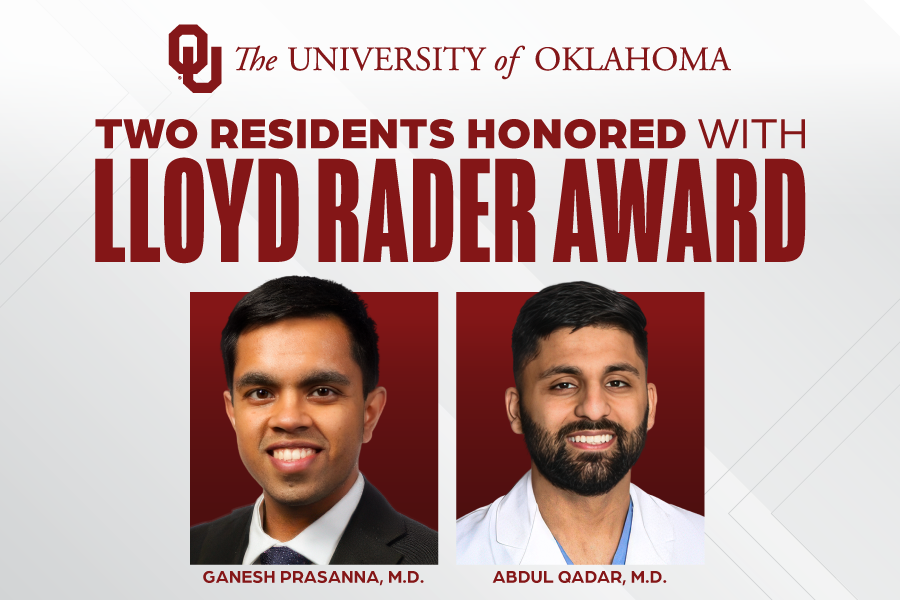
The University of Oklahoma College of Medicine has honored two residents with the Lloyd Rader Award, which recognizes outstanding clinical and research achievements in residency.
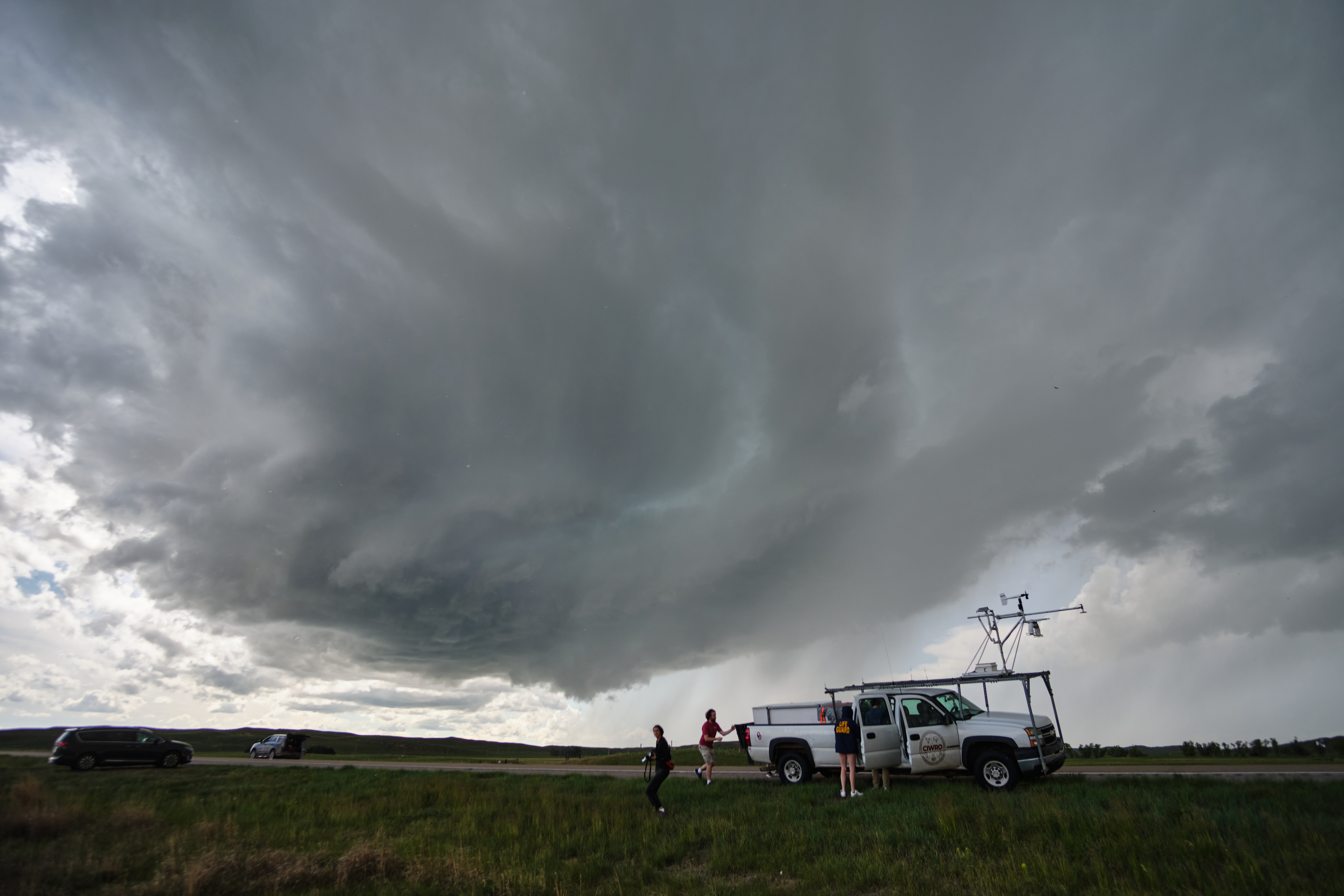
The University of Oklahoma will receive up to $220 million over five years from the U.S. Department of Commerce and the National Oceanic and Atmospheric Administration to continue the life-saving weather research led by the OU-NOAA Cooperative Institute for Severe and High-Impact Weather Research and Operations, extending a nearly 50-year partnership that has helped give Americans earlier, more accurate weather warnings
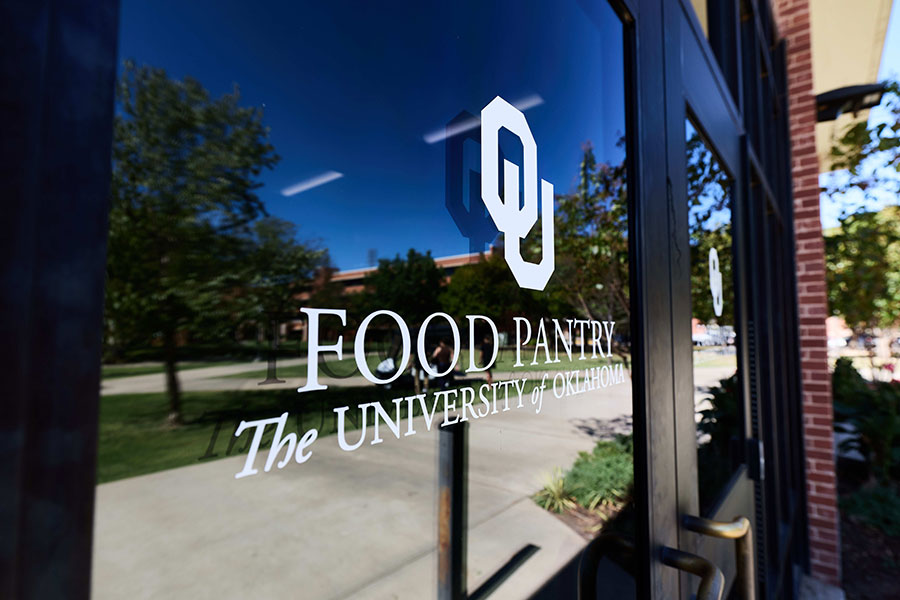
The OU Food Pantry won the annual Red River Food Fight, collecting 31,815.9 pounds of shelf-stable food and drinks to top UT Outpost’s 22,567 pounds. OU has won the competition four years in a row.