NEWS


NORMAN, OKLA. – The University of Oklahoma College of Law hosted more than 100 academics, practitioners and students in the Dick Bell Courtroom for its 10th annual oil and gas, natural resources and energy symposium on Friday, April 4. “Taking Stock at 25: The First and Next 25 Years of Oil and Gas, Natural Resources, and Energy Law in the 21st Century” celebrates a decade of publication by the Oil and Gas, Natural Resources, and Energy Journal (ONE-J).
The symposium featured six keynote speakers, each speaking for one hour, representing institutions across the country. They included:
Discussions centered on how centuries-old legal doctrines inform modern applications in oil, gas and emerging energy sectors like carbon capture, lithium extraction and geothermal development. Speakers challenged attendees to consider whether existing legal frameworks should be applied to new energy systems or replaced entirely.
“We’re reflecting on the past 25 years while looking ahead to the next 25, taking long-standing principles and precedents and applying them to new challenges,” Schremmer said. “We’ll examine our existing regulatory, commercial and property law schemes for oil and gas, and consider how they might be revised or reimagined to address these new substances.”
Initially launched in 2015 by a group of six enterprising OU law students, ONE-J has grown from a state-focused newsletter published by the Oklahoma Bar Association into a national academic journal. Ten years later, it remains entirely student-run, with more than 25 student editors responsible for legal research and article development. Daniel Franklin and Micah Adkison, the first two editors-in-chief, were among those in attendance at this year’s symposium.
“ONE-J is devoted to promoting and advancing legal scholarship in the oil, gas, energy and natural resource sector of law, while also providing helpful case summaries for practitioners,” said Alexandra Jury, the current editor-in-chief of ONE-J. “As of today, ONE-J has published 466 articles, and our published articles have been downloaded over 208,000 times.”
The symposium served as both a retrospective and a forward-looking conversation on how legal scholars and practitioners can adapt to a rapidly changing energy landscape. Topics included the practical limits of applying historic precedent to new legal challenges and how states like Oklahoma can lead through academic innovation.
In addition to the Kuntz Conference, which OU hosts each fall, the ONE-J symposium is a premier oil and gas event that continues to be a vital link between the University of Oklahoma College of Law and the broader energy law community. The symposium is expected to return in 2026 as part of the journal’s ongoing commitment to high-impact, practice-oriented scholarship.
About the University of Oklahoma
Founded in 1890, the University of Oklahoma is a public research university located in Norman, Oklahoma. As the state’s flagship university, OU serves the educational, cultural, economic and health care needs of the state, region and nation. For more information about the university, visit www.ou.edu.
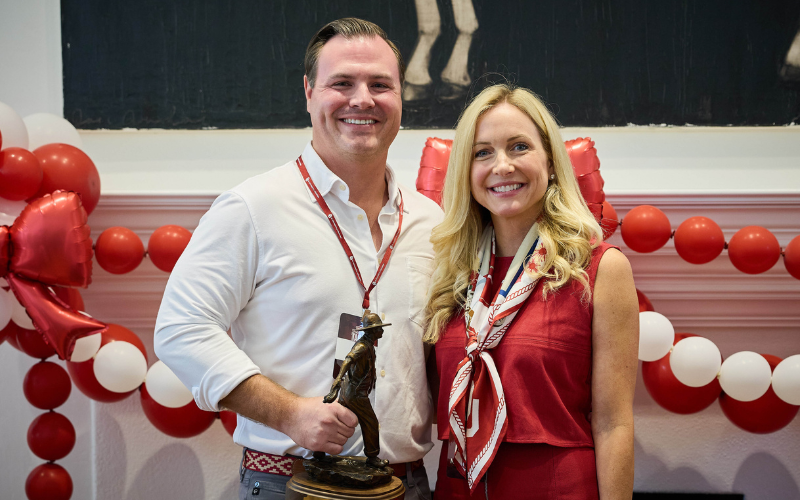
The University of Oklahoma has received a transformative gift from Jon and Shannon McCartney, which will name the McCartney Family Tunnel of Champions, the McCartney Family Gate of the Gaylord Family - Oklahoma Memorial Stadium and the McCartney Family Grand Lecture Hall in the Michael F. Price College of Business. The gift will also support the Inspiring Champions and the Athletic Director’s Discretionary Fund, in addition to establishing the McCartney DFW Career Trek program at Price College.
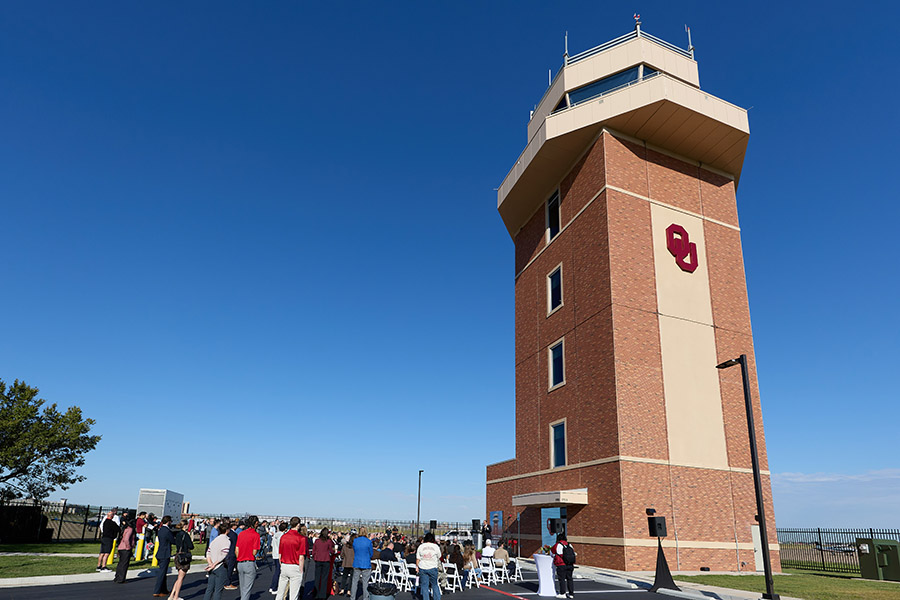
The University of Oklahoma today celebrated the opening of a new air traffic control tower at the OU Max Westheimer Airport. Standing 106 feet tall, more than double the current 52-foot facility, the new tower will modernize air traffic control operations and improve safety for pilots and students operating in the airspace.
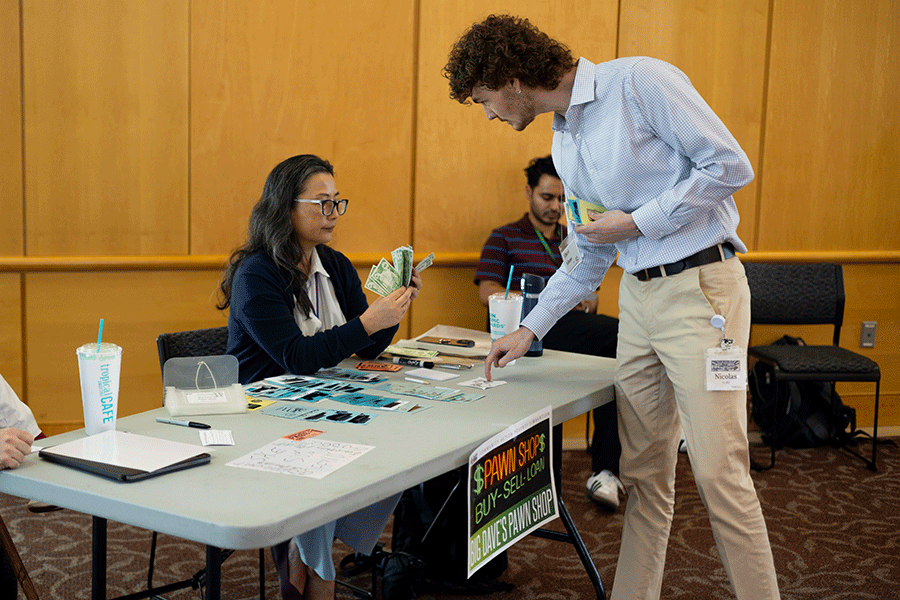
Do I buy groceries or pay the electric bill? Should I pawn some of my belongings to afford my prescription? My child is sick, so I will have to miss work to take care of him. Those are just a few of the difficult choices that OU-Tulsa health professional students confronted during the Community Access to Resources Experience. The role-playing activity challenged students to navigate the financial, family and other pressures that can affect a person’s health and ability to follow medical advice. Held annually during the SCM Institute orientation week, the experience is designed to generate understanding and build empathy.