The Institute for Community and Society Transformation (ICAST) and the Native Nation Center for Tribal Policy Research (NNC-TPR) hosted the U.S. Department of Energy's Fossil Energy and Carbon Management Tribal Working Group (FECM-TWG) on September 23-25 for their quarterly meeting. The Federal Government holds treaty obligations and a trust responsibility to uphold Tribal sovereignty and support the revitalization of Tribal communities, including efforts in economic growth and energy development. In response, the Department of Energy formed the FECM-TWG in the Fall of 2024. Through outreach and coordination, this group helps to ensure that Tribes can access available funding and resources to utilize the development of Tribal energy resources for sustainable Tribal economies.
During this meeting, the FECM-TWG had the opportunity to learn about some of the innovative energy and carbon management research at the University of Oklahoma. Dr. Steven Crossley discussed a recent NSF project to develop new technology for utilizing methane as a feedstock for hydrogen production and Dr. Tim Filley discussed work on methane detection and management. The FECM-TWG attended part of the College of Earth and Energy's Enchanced Oil Recovery and Carbon Management Symposium. They also toured the Oklahoma Geological Survey labs (Dr. Carrie Miller-DeBoer) as well as the Integrated Core Characterization Center (IC3) labs (Dr. Son Dang and Dr. Mark Curtis).
About the University of Oklahoma
Founded in 1890, the University of Oklahoma is a public research university located in Norman, Oklahoma. As the state’s flagship university, OU serves the educational, cultural, economic and health care needs of the state, region and nation. For more information about the university, visit www.ou.edu.
From strengthening severe-weather preparedness to advancing national security, MITRE and the University of Oklahoma (OU) are joining forces to tackle some of the nation’s most critical challenges.
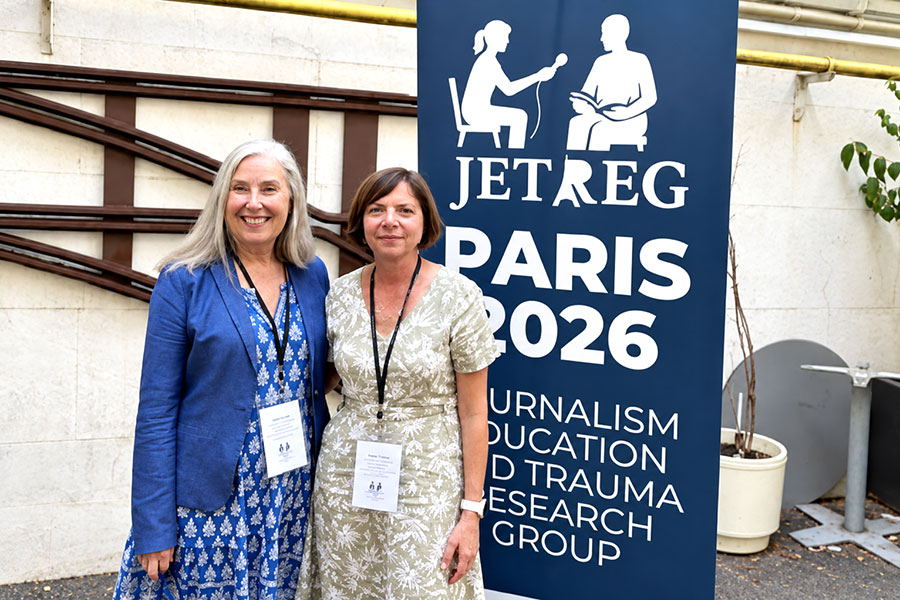
Desiree Hill was an executive producer at News 9 when the Oklahoma City bombing put local journalists in the middle of a story they would carry with them long after the coverage ended. Years later, she returned to the bombing as a researcher, interviewing journalists about its effects on their lives and work.
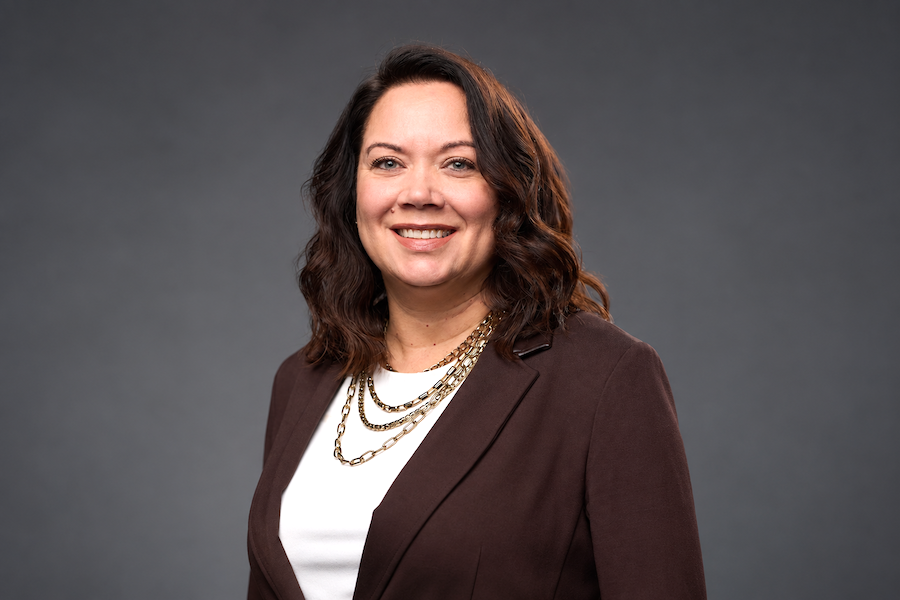
Jensen Moore, Ph.D., an associate professor of public relations at the University of Oklahoma’s Gaylord College of Journalism and Mass Communication, has been elected to a three-year term on the Association for Education in Journalism and Mass Communication’s Standing Committee on Professional Freedom and Responsibility.