
Students are responsible for contacting mentors to arrange the first meeting.
Note about the prospective Mentor Mixer: Keep an eye out for an invite to a prospective Mentor Mixer (optional) tentatively scheduled during the week of November 16, 2026.
Complete the Mentor Invitation Survey
Indicate your interest, intent, and provide a description of your research.
Meet with Prospective FYRE Students
Determine if they are a good match for your laboratory.
Confirm Participation
Notify the FYRE Co-Directors that you are willing to mentor the student(s).
Provide Training Information
Share details with student(s) regarding any required trainings (e.g., lab safety, etc.).
Provide a Meaningful Research Experience
Offer a safe, constructive, instructive, relevant, and immersive environment for FYRE students.
Engage Students Weekly
Involve FYRE students in research (and lab meetings, when applicable) 6–10 hours per week during the spring semester. (Note: Time spent in HON 2970 is not included.)
Establish Research Expectations
Develop shared goals for the project and participants, including the role of additional research support staff (post-docs, GRAs, other undergraduates, etc.).
Train on Lab Safety
Instruct students on required lab safety training programs.
Provide Structured Scheduling
Share scheduled days/times for lab work, research activities, and meetings.
Support Poster Development
Assist students in creating their poster for the Undergraduate Research Day (URD). If possible, attend URD alongside your student(s).
Review Project Descriptions
Explore the mentor-submitted project descriptions to identify areas of interest.
Complete the Application
Submit your FYRE application by the published deadline.
Meet with a Prospective Mentor
Discuss the faculty-guided research project and determine if it's a good fit.
Enroll in HON 2970
Ensure your schedule allows you to attend each class session for the full period.
Communicate Professionally
Maintain clear, professional communication with your mentor.
Agree on Research Expectations
Collaborate with your mentor to establish shared goals and responsibilities.
Complete Required Training
Fulfill lab training and any additional requirements outlined by your mentor.
Engage in Research
Commit 6–10 hours per week to your research project.
Fulfill Course Assignments
Complete all assignments as directed in the FYRE course.
Present Your Research
Prepare and present your poster at the Undergraduate Research Day (URD).
The First-Year Research Experience (FYRE) program is a spring semester program that matches students with research mentors at the OU Norman or OU Health Campus. Students from all majors are eligible to participate, although they may be placed with a research project outside their major. Students also participate in HON 2970, where they gain insights into research topics, research writing, and presentation skills. As part of this course, students learn about opportunities for future research and gain perspectives on potential career paths. The semester-long research experience culminates in a celebratory professional poster session at the spring Undergraduate Research Day (URD), during which students present and explain their research projects to peers and other visitors.
Applications will be accepted on a rolling basis, and preference will be given to applications received by September 13, 2026.

Faculty Mentor Name | Email address | Home campus | Academic department/school | Project Description |
|---|---|---|---|---|
Mikail Abbasov | OU HSC | Pharmaceutical Sciences | Our lab designs small molecules that form a permanent chemical bond with lysine, one of the 20 building blocks of proteins, to control proteins that drive cancer, infection and immune disease. FYRE students will work alongside a postdoc or graduate student to grow human cells, test compounds from our library of more than 1,700 molecules in plate-based assays that measure cell survival and immune signaling, and analyze and graph their own results. Students will also join weekly lab meetings, practice presenting their data, and build a poster for Undergraduate Research Day. | |
Martin-Paul Agbaga | OU HSC | Cell Biology | Students will be involved in doing research to understand how defective in neuronal lipid metabolism contribute to blindness and neurological disorders. They will like how to do cell culture, molecular biology, lipid extraction, derivitizatin and analyses using sophisticated equipment. | |
Vibhuti Agrahari | OU HSC | Department of Pharmaceutical Sciences | My laboratory focuses on therapeutic biomaterials and long-term drug delivery. The advanced systems such as nanocarriers, micelles, and hydrogels are rationally designed and fabricated using biomaterials that can provide biocompatible, biodegradable, and bio-responsive platforms to the sites of ocular and inner ear diseases. The research activities include the development, optimization, and evaluation of the nanoformulations for local, targeted, and sustained delivery of biotherapeutics and small molecules. | |
Mohiuddin Ahmad | OU HSC | Cell Biology | 1. Purifying oxytocin receptor biochemically, and 2) Identifying signaling pathways downstream of oxytocin receptor activation in neurons | |
Md Manjurul Ahsan | OU Norman | Industrial and Systems Engineering | Students will explore how artificial intelligence can identify defects in manufactured and 3D-printed parts using image data. With step-by-step guidance, they will learn basic Python programming, organize and label images, test simple machine learning models, and examine why some defects are missed or incorrectly identified. No prior programming or research experience is required; each student will investigate a focused research question, document their findings, and prepare an individual poster for Undergraduate Research Day. | |
Nagib Ahsan | OU Norman | Chemistry and Biochemistry | LC–MS/MS-Based Identification and Quantification of Pollen Allergens from Various Grass Species | |
Priya Balasubramanian | OU HSC | Neurosurgery/College of Medicine | Our lab investigates how alterations in cellular metabolism contributes to brain aging and cognitive impairment. FYRE students will be paired with a postdoctoral fellow in the lab and assigned a specific project related to this theme for completion during the Spring 2027. | |
Ngoc Bui | OU Norman | Sustainable Chemical, Biological, and Materials Engineering (SCBME) | In our projects, we study ion transport behaviors through polymeric and hybrid membranes designed for metal recovery via membrane-based separation technologies. Students will be trained on membrane fabrication and characterization, ion diffusion tests, and separation analyses. Students will meet with the PI every other week to discuss progress, and are welcome to join the PI's group meeting discussing research in this subfield. | |
Lilian Caesar | OU Norman | School of Biological Sciences | We investigate how host-associated microbiomes assemble, function, and evolve using eusocial bees as a model system. Students will primarily analyze genomic and metagenomic data using bioinformatics tools, with potential opportunities to work with bees and microbes in the lab. | |
Mauricio Carvallo | OU Norman | Psychology | Two current projects in my lab focus on self-silencing and culture of face, examining how social and cultural pressures shape self-expression, self-evaluation, and well-being. Undergraduates working in my lab are involved in many aspects of study development. Through this work, students gain hands-on experience with how psychological research is designed and conducted. | |
Weiqin Chen | OU HSC | Biochemistry and Physiology | Obesity and its associated health comorbidities are a worldwide epidemic with serious economic and health burdens on society. Adipose tissue is a vital endocrine organ that plays a crucial role in developing obesity and various metabolic disorders. White adipocytes store excess energy in the form of triglycerides for future needs. By contrast, brown and beige (browning-in-white) adipocytes metabolize lipids and glucose to produce heat in a process known as nonshivering thermogenesis, which is crucial in systemic energy homeostasis and thermoregulation. We are interested in identifying important players that are crucial in determining adipocyte fates and functions. We further explore how obesity or lipodystrophy leads to metabolic disorders like diabetes, fatty liver disease, and heart failure. | |
Xiaodong Chen | OU Norman | Civil Engineering and Environmental Science | The student will join the research team and learn to calibrate hydrologic models (CREST) for flood-event simulation using established Artificial Intelligence (AI) tools. They will conduct short simulations of historical flood events and investigate how these hazards may change in the future. Through this experience, they will gain a better understanding of flood hazards in the Southern Great Plains region, and get an early look at our research findings before everyone else does! | |
John Clegg | OU Norman | Biomedical Engineering | The student researcher will contribute to ongoing Clegg laboratory research on hydrogel nanoparticles, used for immunotherapy in neurotrauma or cancer contexts. The student will synthesize nanoscale hydrogel particles, purify those nanoparticles, and evaluate both their physical and biological properties for eventual use in immunotherapy (e.g., as adjuvants or as components of combination products). Students will learn light scattering, cell culture, flow cytometry, and select microbiological techniques (e.g., PCR). | |
Shannon Conley | OU HSC | Cell Biology/College of Medicine | Our lab studies vascular smooth muscle cell and endothelial cell dysfunction in brain aging and its link to cognitive impairment. FYRE students would be involved in fluorescent microscopy, molecular biology, and analysis of cognitive, gait, and possibly transcriptomics data. They would attend lab meeting and relevant faculty and student seminars (schedules permitting). | |
Brittany Counts | OU Norman | Health and Exercise Science | My laboratory focusses on the mechanisms of cancer cachexia using murine models of pancreatic cancer cachexia. I use wet lab approaches to understand what is happening on a cellular level. My lab work uses mouse models and we define how chemotherapy regimens and exercise interventions to prevent muscle and adipose wasting, while slowing tumor growth. | |
Steven Crossley | OU Norman | Sustainable Chemical, Biological, and Materials Engineering (SCBME) | We plan to convert waste materials to valuable clean products. We will start with a variety of contaminated plastic waste streams and use smart catalytic systems to convert the impurities to generate a clean product that can be reused as plastics, chemicals, or other valuable products. Students will learn how to make a catalyst, do a reaction, and analyze products in collaboration with graduate students. Project can be adapted to clean up waste plastic, make fuels and chemicals, or make advanced materials based on student interest. No prior experience is necessary. | |
Jingyao Dai | OU Norman | Aerospace and Mechanical Engineering | Project 1: Hydropgel Infusion Additive Manufacturing
In this project, students will conduct research on hydrogel infusion additive manufacturing (HIAM), a unique 3D printing technique that relies on the infusion of hydrogel structures and subsequent calcination/sintering procedures to convert the soft hydrogels to hard ceramics/metals. Specifically, the students will investigate how the UV light intensity used during the resin 3D printing affects the polymer network morphology of the hydrogel and its infusion behavior. This will enable us to control the local composition of the resulting printed structures, potentially creating functionally graded materials with unique structural or multifunctional properties.
Project 2: Energy-Efficient Manufacturing of Aerospace-Grade Carbon Fiber Composites
In this project, students will fabricate aerospace-grade carbon fiber-reinforced polymer (CFRP) composites using an energy-efficient out-of-autoclave method. After fabricating the samples, the students will learn how to machine the specimens and carry out various microstructure and mechanical tests to determine the porosity, interlaminar thickness, and short beam shear strength of the specimens. If time allows, the students may also explore the addition of nanomaterials into the CFRP structure to enable additional functionalities, including heating and sensing. | |
Eric Day | OU Norman | Psychology, DFCAS | FYRE students will work with a team of veteran students on a number of projects related to self-regulation and how individuals manage the tradeoffs between exploring new ideas and approaches versus exploiting strengths and known approaches when learning new tasks and managing their personal skill development. Aspects of this work include (a) running a lab experiment where participants learn a novel computer game and (b) developing research ideas regarding how managing the exploration-exploitation tradeoff relates to the use of AI in the workplace. This FYRE opportunity is especially designed for students who plan to pursue graduate school in psychology and want the research experience graduate programs are looking for in applicants. | |
Yitong Dong | OU Norman | Chemistry and Biochemistry | We synthesize colloidal nanocrystals and use them as quantum light sources. Our lab's research experience includes synthesizing quantum dots and performing spectroscopic characterization. | |
Venkateswararao Eeda | OU HSC | Pharmaceutical Sciences, College of Pharmacy | Medicinal Chemistry synthesis and biological evaluation | |
Rachel Feinstein | OU Norman | College of Professional and Continuing Studies, Criminal Justice | My research examines experiences of incarcerated juveniles, offenders in juvenile diversion programs, and media representations of criminal offenders. Students would design a feasible research project likely involving content analysis of media, or conducting interviews or focus groups with a sample of college students or other individuals based on the research question. They would develop a literature review and identify a gap in the research with guidance, conduct data collection, analysis, and writing the findings in a report. | |
Reza Foudazi | OU Norman | Sustainable Chemical, Biological, and Materials Engineering (SCBME) | The current research activities in SMaRT group are self-assembly of amphiphilic molecules, templating approach for synthesis of porous polymers, and rheology of soft matter, with the long-term goal of producing responsive multifunctional materials for sustainability and environmental applications. Students will synthesize soft materials and measure their physicochemical properties, such as mechanical properties, surface tension, viscosity, permeability, etc. | |
Camille Germany | OU Norman | GCA |
| |
Iman Ghamarian | OU Norman | Aerospace and Mechanical Engineering | working on deep learning projects by developing python programs | |
Paul Gilmore | OU Norman | Honors College/English | I am seeking a student to assist me in research on a project using Edgar Allan Poe's writings as a way to think through current questions about AI. The work will involve finding and vetting secondary sources on Poe and, primarily, on AI, cognitive science, and other sciences of the mind. Much of the work will be on the student's schedule, with regular meetings with me to review their findings. | |
Angela González Echeverry | OU Norman | College of Professional and Continuing Studies | My research and teaching projects focus on Spanish language, Latin American literature and culture. FYRE students can expect to participate in literature reviews, qualitative analysis of texts and cultural materials. | |
Kasun Gunasooriya | OU Norman | Sustainable Chemical, Biological, and Materials Engineering (SCBME) | AI-Driven Material Discovery for Energy Application - Python and Machine learning/AI for Engineering - Broad knowledge of sustainability and electrochemistry - Advanced capability in designing a research project. - Advanced capabilities in setting up, conducting, and interpreting molecular simulations using widely adopted software. - Technical writing and captivating presentation skills. | |
Uli Hansmann | OU Norman | Chemistry and Biochemistry | Understanding the pathology of various diseases such as cancer or Alzheimer's requires insight into the workings of cells on a molecular level. Simulations can help to trace interactions that are difficult to determine in experiments. Students will learn to use standard software packages to run such simulations, and how to use graphic visualization programs and other techniques to analyze the simulations. | |
Caitlin Hodges | OU Norman | Geosciences | This project explores how minerals change when exposed to unusual water chemistry in a natural spring environment. Students will participate in fieldwork, sample collection, laboratory experiments, microscopy and geochemical analyses, and data interpretation to study mineral weathering processes that are relevant to both Earth's environments and planetary exploration. Through the project, students will gain experience in scientific research while contributing to ongoing NASA-funded investigations. | |
Wesley Honeycutt | OU Norman | Meteorology | ## Research with Dr. Wesley T. Honeycutt
FYRE students are invited to work with Dr. Wesley T. Honeycutt, a research scientist at OU and independent entrepreneur, on one of his many projects. Students from all backgrounds and interests are encouraged to apply including those outside of STEM.
### Previous Research
Dr. Honeycutt is a transdisciplinary research scientist, meaning he works in many fields. He is interested in sensors and making sense of how we sense the world. You can learn a little more about his research at his website: wesleythoneycutt.com.
Previous FYRE students have worked with him on several projects: - Study of Carbon Dioxide Behavior in Simulated Urban Canyons - Design of a Low-Cost, Smart Greenhouse for Rural India - Comparison of Retrieval Algorithms for EM27/SUN Spectrometer Data - Designing a Optocoupler Electronics for a Raspberry Pi Level Shifter - Design of a Low-Cost, Smart Compost System - Designing a Flow Control System for Mobile Gas Trace Measurements - Designing an Educational Green Wall
### Potential Projects
All FYRE projects with Dr. Honeycutt are tailored to the individual student and Dr. Honeycutt's current research needs. The following list of potential topics is subject to change:
- Understanding Methane Sensor Technologies through Art - Particulate and Carbon Dioxide Emissions Near Roadways - Meteorological Simulation of Black Carbon Retrievals - Spatial Impacts of Green Spaces on Urban Heat Island Development - Interactions of Bird Migration and Human Development - Supply Chains for Chemical Industry
### Skills You Could Learn
You might learn: how to design electronics, study the atmosphere, program in Python, deploy equipment in the field, model mapped information, understand social causes of inequality, reduce ecological impacts, find and read an academic paper, measure light interacting with chemicals, create 2D or 3D models, and many other things.
You absolutely will learn: the fundamentals of classical theatre. Seriously.
### Expectations
You will learn how to think via engagement in weekly meetings, to present knowledge in elevator pitches, and to independently wrestle with difficult topics. A successful student will put in the effort and 6-10 hours per week. While an end-of-semester report is required, grades are based on growth, not specific milestones. The pace should challenge without overwhelming you; the goal is to learn how to push your limits, not suffer. In-person/remote flexible, but in-person tends to work best for meetings.
### Want to Learn More?
You are absolutely encouraged to reach out before making a decision to honeycutt@ou.edu. If you want to talk to my former FYRE students for a reference, I can put you in touch. | |
Yang Hong | OU Norman | Civil Engineering and Environmental Science and Meteorology | AI and Remote Sensing in Satellite Meteorology, Hydrology and Water Security | |
Jeffrey Kelly | OU Norman | Biological sciences | We use a variety of methods to understand the ecology and movements of birds. | |
Russell Kenney | OU Norman | Electrical and Computer Engineering | This project will involve the development of a digital sonar range and direction finder using a digital signal processing (DSP) board equipped with a microphone array. Potential students should have a strong math background and some programming experience (microprocessor/microcontroller experience is a big plus but not a requirement). Participants can expect to work through the fundamental theory governing range-finding and direction-finding as well as reducing this theory to practice on the DSP board using Python and/or C. | |
Aikaterini (Katerina) Kyprioti | OU Norman | Civil Engineering and Environmental Science | Image recognition and image tagging for the development of training datasets for a project called "TREE-CARE". Student will be exposed to coding and other processes related to AI/ML trying to develop products that will be used in training of image processing algorithms. | |
Manika Lamba | OU Norman | School of Library and Information Studies | Title: Understanding Interdisciplinarity Current academic classification systems fail to capture the reality of modern interdisciplinary scholarship. ProQuest Dissertations and Theses (PQDT) database, like many institutional taxonomies, relies on rigid disciplinary categories established decades ago that systematically misclassify or entirely overlook emerging interdisciplinary fields. This taxonomic inadequacy creates significant barriers to research discovery, interdisciplinary collaboration, and understanding of how academic knowledge actually evolves. In this project we used computational methods to reveal the gap between how academic knowledge is formally categorized and how it develops across disciplinary boundaries.
Responsibilities:: 1. Complete the Benchmarking phase of the project to find the "best" LLM for the dataset for different metrics. 2. Run the LLM on whole dataset and compare the proquest keywords/class terms with the LLM topics. 3. Analyse and visualize the intersectional topics for each query. 4. Help in writing the research paper and conducting literature review.
Prerequisite skills or experience (if any) * Knowledge of Python Programming Language | |
Hayley Lanier | OU Norman | School of Biological Sciences/Sam Noble Museum | Our lab focuses on understanding how mammals respond to global change, including how fragmentation of habitat shapes the persistance of species and how species' traits influence their resilience. Projects this spring will focus specifically on small mammals and may incorporate work with museum specimens or in the molecular lab to evaluate aspects of resiliance and risk. | |
Brandye Lee | OU Norman | School of Dance | The student researcher will investigate the history of banned and challenged books in America, examining literary works that may serve as sources for future installments of Unbound, a choreographic series inspired by banned books. Using archival research, literature reviews, and thematic analysis, the student will identify books with strong potential for dance adaptation. The student will compile annotated research materials, evaluate selected texts using a literary-to-dance framework, and present recommendations that inform future development of the project. | |
Tiantian Li | OU Norman | Engineering Pathways | I am looking for researcher interested in conducting research on STEM apprenticeship programs and how students develop systems thinking competency in apprenticeship programs. As part of the research, you will (1) conduct a literature review on apprenticeship programs and/or systems thinking learning within apprenticeship programs and (2) analyze interviews from individuals involved with apprenticeship programs about their learning. | |
Nho Luong | OU HSC | Oncology Science | We are focusing on define how protein myristoylation regulates the functions of DNA repair proteins. Our long-term goal is to define fundamental mechanisms that enable cells to adapt to cancer therapy stress and to translate these insights into new therapeutic strategies for cancer diseases. | |
Yang Mao-Draayer | OU HSC | OMRF/ACI, OU-MI | see webpage | |
Sergio Martin-Alvarez | OU Norman | Physics and Astronomy | With the advent of deeper local observations, the patterns satellite galaxies are disrupted into will help us understand the nature of dark matter. The student will use a suite of cosmological galaxy formation simulations to investigate how galaxy collisions interplay supernova explosions to determine those patterns. The student will join our rapidly growing research group, learn skills in data analysis, programming, HPC computing and AI/agentic-assisted research. | |
Matthew Masapollo | OU HSC | Communication Sciences and Disorders, College of Allied Health | Current projects focus on how sensory and anatomical changes to the head and neck alter speech motor control, with the overarching goal of translating these insights into more effective strategies for speech rehabilitation following ENT interventions (e.g., cochlear implantation, tongue surgery, repaired cleft palate). Students will receive rigorous conceptual and methodological training in the recording and analysis of human speech movements using state-of-the-art techniques. | |
Heather McCarthy | OU Norman | School of Biological Sciences | My lab studies how trees and other plants respond to environmental stress, including global change factors, like drought, increased temperatures, and urbanization. Our work takes place in field sites, greenhouses, and sometimes the lab.
We have several ongoing projects that students might be interested in working with us on: urban forests and disturbance events, eastern redcedar encroachment into grasslands, bur oak genetic diversity and drought resistance.
Students will gain skills in developing scientific questions, data collection and analysis, and scientific presentations. | |
Greg McFarquhar | OU Norman | School of Meteorology/CIWRO | Student will analyze data previously collected by probes installed on aircraft during field campaigns that provide information about the small-scale properties of clouds (e.g., concentrations, masses, particle sizes and shapes). Student will explore how these properties vary with environmental conditions. Previous experience with computer packages (e.g., Python) for plotting data preferred, but is not required. | |
Shailee Mitra | OU Norman | Aerospace and Mechanical Engineering | This project will develop and evaluate manual and semi-automated methods for identifying ventricular boundaries in deidentified single- ventricle echocardiographic images. The student will quantify repeatability, boundary uncertainty, and common segmentation failure modes. The project would evaluate the feasibility of a physics-constrained flow reconstruction pipeline using a de-identified single-ventricle echocardiography dataset. Students will participate in literature reviews, data processing, data analysis, statistical analysis, scientific writing, and research presentation. | |
Blaine Mooers | OU HSC | Biochemistry and Physiology | The focus is on developing and testing new methods of optimizing the size of RNA crystals for X-ray diffraction studies. The student will learn about the design of experiments and master the accurate assembly of complex crystallization solutions. They learn to apply cutting-edge response surface methods and Bayesian optimization techniques through an AI-driven interface. | |
Moses Olayemi | OU Norman | Engineering Pathways | I supervise a lot of research at OU, usually revolving around culturally relevant engineering education, STEM education in resource-limited contexts, instrument development, study abroad outcomes and processes, process simulation, and interdisciplinary research. | |
Dimitrios Papavassiliou | OU Norman | Sustainable Chemical, Biological, and Materials Engineering (SCBME) | Project 1: Simulation of a hydrogen producing chemical reactor using a computationial fluid dynamics (CFD) software. The studnet will develop computing skills, use of scientific computer platforms and presentation skills. They will also be workign on novel technologies for the production of energy without polluting the environment. Second project: Protein molecule unravelliing in a flow field that is created when cardivascular implants are used in a human body. This project involves computational work using software appropriate for molecular level investigations. Skills to be developed are use of supercomputers and use of visualization software, as well as presentaiona nd communicaiton skills. | |
Jeong-Hui Park | OU Norman | Health and Exercise Science | FYRE students will gain hands-on experience in physical activity and epidemiologic research, including assessing physical activity behaviors and examining their associations with health outcomes. Students will learn methods for collecting, processing, and analyzing physical activity data, including wearable device-based measures, and may also participate in literature reviews, data management, and interpretation of research findings. | |
Roberto Pezza | OU HSC | Cell cycle and cancer biology, OMRF | Our work centers in understanding the epigenome participating in control of gamete development. Specific activities for the student to participate include genotyping, various approaches for genome wide chromatin binding assay and rna-seq, and some biocomputational work. | |
Andreana Prichard | OU Norman | Honors/History | This is a humanities lab research experience that introduces students to oral history research. Oral history is a research process that includes gathering, preserving, interpreting, and returning to the public the voices, experiences, and memories of people who participated in specific, recent past events; historians and communities use oral historical interviews as primary sources for historical analysis and as educational tools in museums, community spaces, and classrooms. Students will participate in the entire lifecycle of an oral history project from preparation to community return. | |
Bayram Saparov | OU Norman | Chemistry | The students will work on next generation optical and electronic materials based on metal halides. They will learn synthesis of metal halides, their structural and photophysial characterization and maybe their application demonstration. | |
Surendra Shukla | OU HSC | Department of Oncology Science | Student will participate in evaluation of novel therapeutic combinations for pancreatic cancer. | |
Michael Soreghan | OU Norman | Geosciences | The student researcher will work with the faculty mentor to analyze sediment from Lake Tanganyika to document changes in climate and land use over the past few centuries. The student researchers will develop skills in laboratory work, including sample processing and analysis, data interpretation, and hypothesis development. Lake Tanganyika, which lies in East Africa, is a critical natural resource for over 12 million people around the lake and is recognized as a biodiversity hotspot. | |
Emily Troyer | OU Norman | School of Biological Sciences | Project 1: Reservoir-driven ecomorphology of Oklahoma fishes. This project will compare body shape and morphology (e.g., fin placement, body depth, eye position) of Oklahoma steam fish communities before and after dam and reservoir construction. Data will be collected directly from specimens housed at the Sam Noble Museum Ichthyology Collection. The student will learn to work with specimens from biological collections, photograph and digitize fish specimens using two-dimensional geometric morphometric methods, gain experience with data management and statistical analysis in R, and participate in regular discussions of papers, experimental design, results, and interpretation.
Project 2: Sexual dimorphism across Oklahoma fishes. This project will quantify body shape and morphological differences between males and females of several native Oklahoma fishes to explore whether patterns of sexual dimorphism across distantly related species. Data will be collected directly from specimens housed at the Sam Noble Museum Ichthyology Collection. The student will learn to work with specimens from biological collections, photograph and digitize fish specimens using two-dimensional geometric morphometric methods, gain experience with data management and statistical analysis in R, and participate in regular discussions of papers, experimental design, results, and interpretation. | |
Julie Van De Weghe | OU HSC | Cell Biology, College of Medicine | We investigate the cellular organelle, cilia, both primary cilia that participate in signaling and motile cilia in the green algae Chlamydomonas. Students would likely participate in cloning, CRISPR-Cas9 genome engineering, or cell signaling analysis. | |
Sathish Venkatachalem | OU HSC | Department of Medicine/ Pharmaceutical Sciences/ pathology | Out work primarily investigates asthma, chronic obstructive pulmonary disease (COPD), pulmonary hypertension. examines how these hormones influence airway inflammation, airway remodeling by doing cellular physiology, biochemical studies. | |
Thirumalai Venkatesan | OU Norman | Physics | All our projects involve pulsed laser deposition of functional materials for fields like semiconductors, silicon photonics or quantum. Students will learn to make crystalline films of functional materials with atomic level control. | |
Jason Vogel | OU Norman | Civil Engineering and Environmental Science | The general areas of projects that could be completed are in the areas of (1) stormwater management or (2) wastewater-based epidemiology. The specific student project topics will be determined based upon mutual interest of the mentor and mentee. | |
Andrew Wade | OU Norman | CIWRO | I conduct two main areas of research with the NWS Storm Prediction Center: improving our understanding of derechos (long-lived, destructive straight-line windstorms) and developing weather model-based products for forecasting the intensity of tornadoes, wind, and hail. Students could choose a project in either area. Any experience with Python coding would be helpful but could be learned along the way. | |
Chang Wang | OU Norman | Biomedical Engineering | Our lab is dedicated to the rational design of next-generation drug delivery systems that enable the precise and efficient delivery of therapeutics across complex biological barriers. Current research directions include: (1) Biomaterials such as lipid nanoparticles for overcoming biological barriers and enabling targeted delivery of nucleic acids, proteins, and small molecules. (2) Development of bifunctional molecules for targeted degradation of disease-related biomacromolecules. | |
Junke Wang | OU Norman | Aerospace and Mechanical Engineering | This project will investigate the energy performance and intelligent operation of heat pump and building HVAC systems using experimental and field-measured data. Students may participate in controlled experiments, sensor/data collection, data processing and visualization, and analysis of system energy efficiency under different operating and environmental conditions. Students will gain experience with building energy systems, experimental research, and data-analysis tools such as Excel, MATLAB, or Python. | |
Carol Webb | OU HSC | Internal Medicine/RIA | My lab studies how the immune system is affected by autoimmunity in lupus. Our studies use sterile tissue culture, flow cytometry and some molecular biology. | |
Binbin Weng | OU Norman | Electrical and Computer Engineering | Reconfigure a field deployable methane sensing instrument so to expand its current concentration sensing capability to the leak rate monitoring capability for assessing the natural gas leaking behavior over the oil and gas well sites. | |
Stefan Wilhelm | OU Norman | Biomedical Engineering | Our lab focuses on designing nanomaterials for biomedical applications, including diagnostics and therapies. Students will learn the wet-lab skills needed for nanoparticle synthesis and characterization, as well as aseptic techniques for cell culture. Additionally, students will participate in team-based biomedical research and build foundational, transferable skills in research documentation and organization. | |
Lijun Xia | OU HSC | Cardiovascular Biology/OMRF | vascular biology, inflammation | |
Je-Hyun Yoon | OU HSC | Oncology Science | research on noncoding RNAs in RNA metabolism | |
Jonathon Yuly | OU Norman | Chemistry and Biochemistry | NA | |
Mingyi Zhang | OU Norman | Aerospace and Mechanical Engineering | This project will explore how solution chemistry controls the growth of brushite, a mineral that is relevant to biomineralization and is used in calcium phosphate cements for dental and bone repair applications. The FYRE student will gain hands-on experience preparing solutions, growing and imaging crystals, designing controlled experiments, analyzing crystal size and morphology, and developing a reproducible crystal-growth protocol that will support future research on mineral interfaces and sustainable lithium recovery. | |
Meng Zhao | OU HSC | Micro/OUHSC | NA | |
Shangqing Zhao | OU Norman | School of Computer Science | My project focuses on using LLMs to develop attacks against different wireless systems, such as Wi-Fi and cellular networks. |
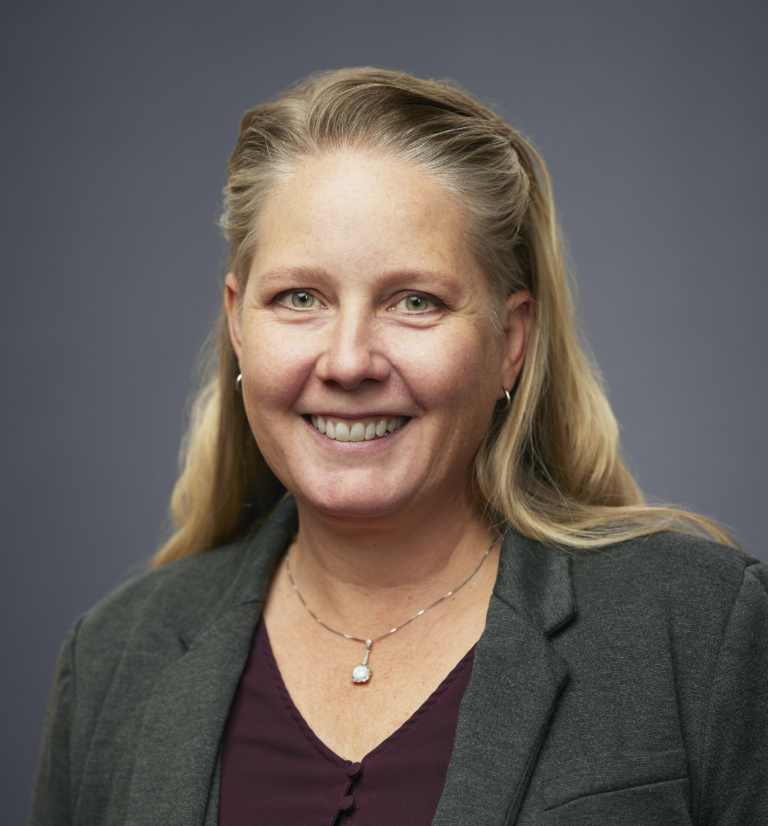
Associate Professor, Department of Chemistry and Biochemistry, Dodge Family College of Arts and Sciences
Co-Director of Research, Honors College
SLSRC 2610
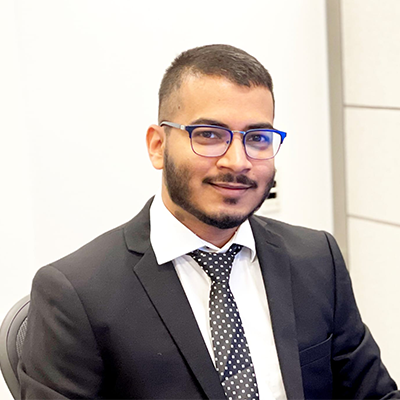
Associate Professor, Engineering Pathways program, Gallogly College of Engineering,
Co-Director of Research, Honors College
FH 222G
jkittur@ou.edu
Dr. Kittur's Bio
