Telesis, the student-led journal at the University of Oklahoma’s Gibbs College of Architecture, proudly announces the release of its sixth volume, “The Essence”. This edition embarks on a profound journey to rediscover what lies at the core of our work as designers and creators, a return to fundamentals in an era often characterized by superficiality and digital distractions.
In a constantly changing world of rapid technological shifts, grandiosity, and pervasive social media, “The Essence” seeks to reclaim core values within architectural and spatial design. Over time, the intrinsic significance inherent in our creative pursuits has diminished, making it imperative to confront this erosion. This year’s theme invites contributors to explore the essential forms, objects, and nuances that reveal the deeper vitality of our built environment. It urges readers and creators alike to view our surroundings not as lifeless structures but as dynamic, living entities that reflect the Earth’s own vitality. Through this lens, “The Essence” encourages a fundamental shift in design thinking, inviting a renewed focus on the purpose and meaning embedded in our work.
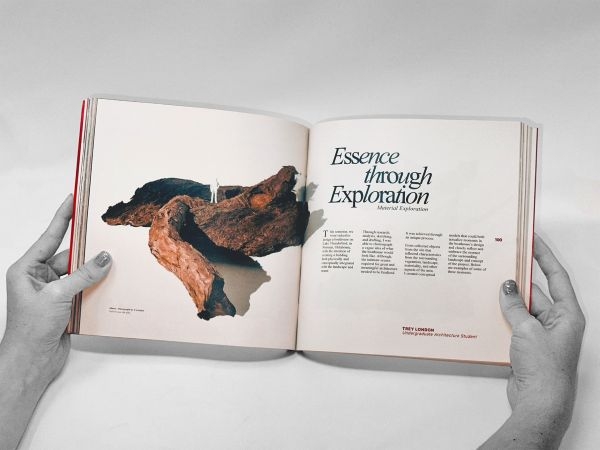
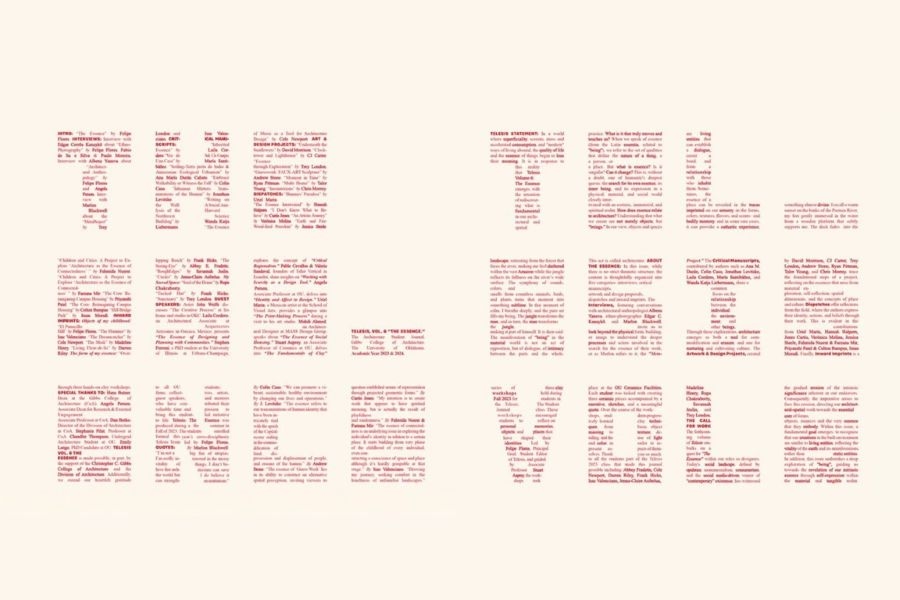
A spread from "The Essence"
"The Essence" features a range of contributions—from design proposals and essays to visual art and in-depth research—that reflect on themes of identity, presence, and materiality. The issue questions how design can be a mode of self-expression within a physical world increasingly overshadowed by the virtual realm. How might engaging with our tangible environment inspire us to connect more deeply with space and essence? And to what extent has a new, hybrid essence emerged, one that bridges physical and digital boundaries? This volume encourages readers to pause, to look away from screens, and to immerse themselves in the physical spaces that shape their lives, proposing that these spaces offer a means of reconnecting with ourselves and our world in a more profound way.
Highlights of this volume include conversations with renowned architect Marlon Blackwell on his concept of the “Meta Project,” architectural anthropologist Albena Yaneva on the interplay between architecture and anthropology, and works by Ana María Durán on Amazonian ecological urbanism and María Santibáñez’s exploration of personal space and identity. These contributions challenge us to see design as a mode of self-expression and a bridge between the tangible and digital realms, urging readers to reconnect with the physical spaces that shape their lives.
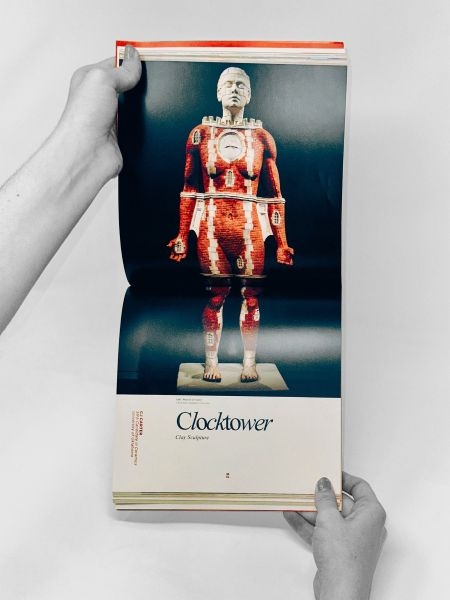
A spread from "The Essence."
Guided by editor Felipe Flores, an architecture Ph.D. candidate and Telesis instructor, alongside faculty advisor Dr. Angela Person, Associate Dean of Research and External Engagement, “The Essence” represents a meaningful exploration of identity and purpose in design. Contributors include students, faculty, professionals, and community members, each sharing perspectives on how our surroundings mirror both society’s collective identity and personal experiences. With each piece, Telesis continues its mission to foster thought-provoking conversations within the field of architecture, inspiring readers to embrace a deeper, more intentional approach to their work.
View the digital edition of Telesis Vol. VI: The Essence below or access past volumes on the Telesis webpage.
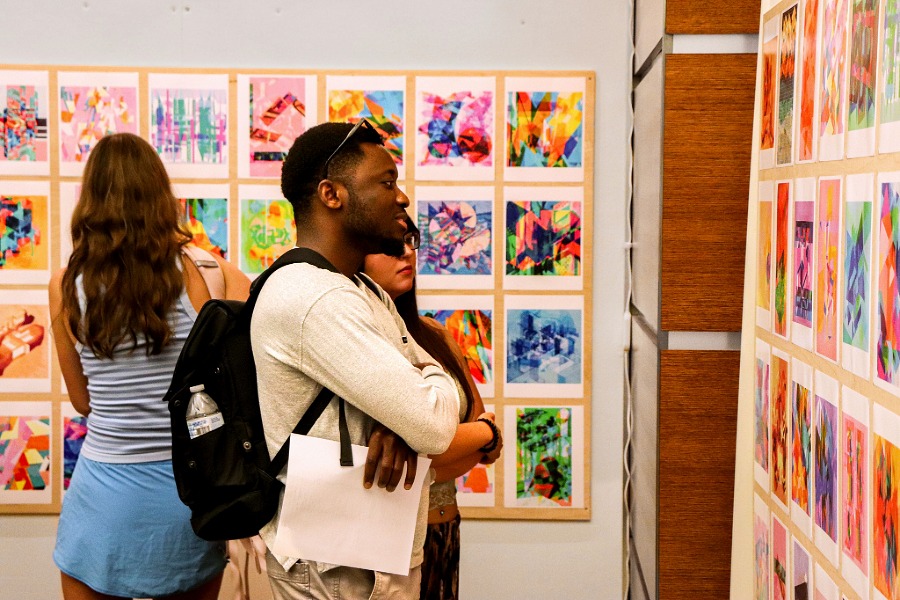
Gibbs College is pleased to present the exhibition 200 Digital Drawings by Professor Tiziana Proietti, currently on display in the Gould Hall Living Room.
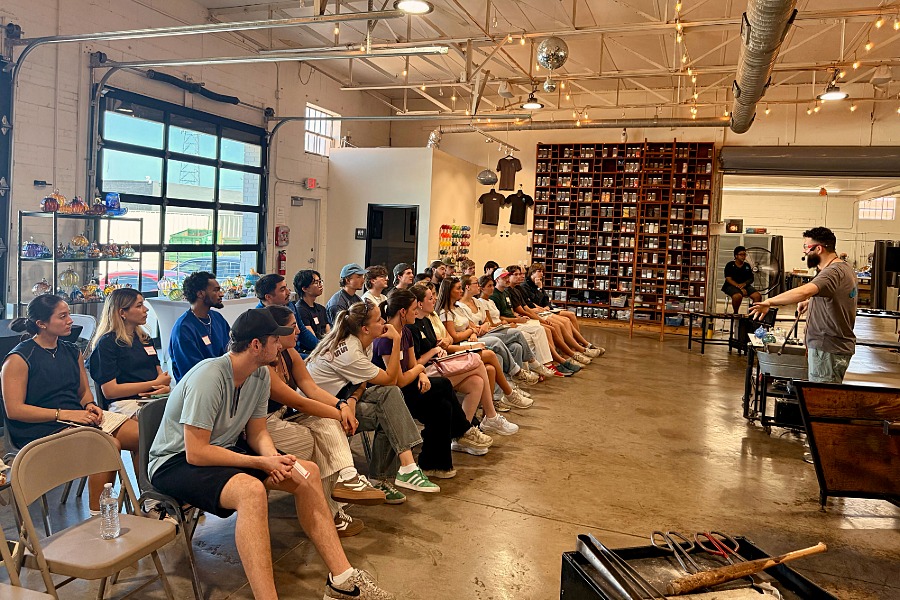
Gibbs College of Architecture Professors Amber Brown and Amy Leveno led 29 students to Dallas, Texas, in September for a learning experience as part of their Design 7 Studio course.
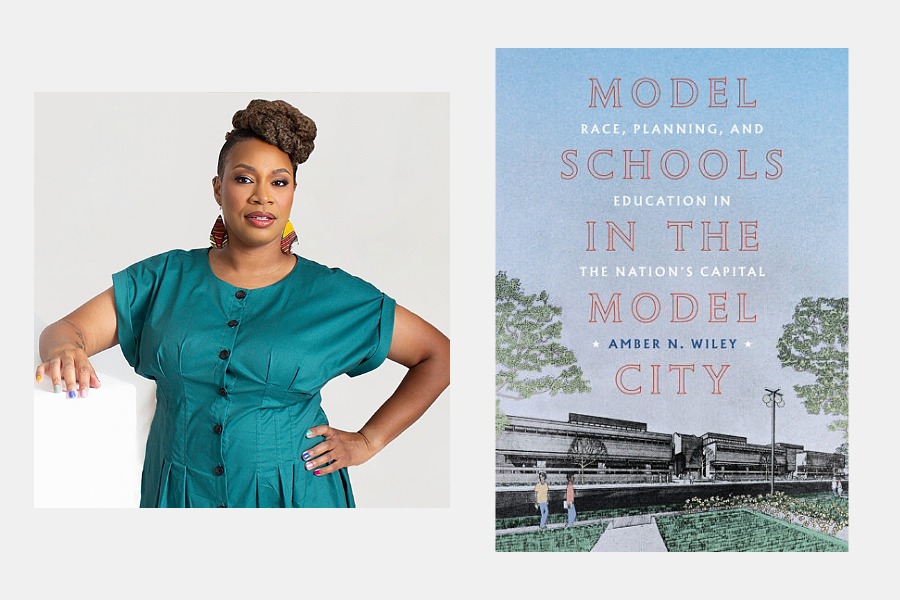
Christopher C. Gibbs College of Architecture professor and Institute for Quality Communities Director Dr. Amber N. Wiley’s book, Model Schools in the Model City: Race, Planning, and Education in the Nation’s Capital, has received two major honors from the Urban History Association.