Regional and City Planning professor, Dr. Ladan Mozaffarian, has recently published an article in the prestigious Journal of Planning Literature. The article, titled “How Remote Working and Placelessness Affect Future Planning for Innovation Districts: A Systematic Review of the Literature,” examines the impacts of telework and the gig economy on planning for innovation districts. It highlights solutions to mitigate the negative effects on cities and their urban vitality.
Innovation Districts (IDs) have emerged as essential place-based strategies for economic development within urban planning and land-use policy. While existing literature covers the types of IDs and the built environment features that define them, there is a gap in understanding the role of the built environment in the context of increasing remote work and placelessness. By conducting a systematic review of the literature, this research explores how future planning for Innovation Districts will be impacted and how to tackle the challenge of rising placelessness in urban areas.
This article is part of Mozaffarian’s ongoing research on Innovation Districts and their planning and policy implications. For this project, Mozaffarian collaborated with faculty from San Jose State University (SJSU) and the University of Texas at Arlington (UTA).
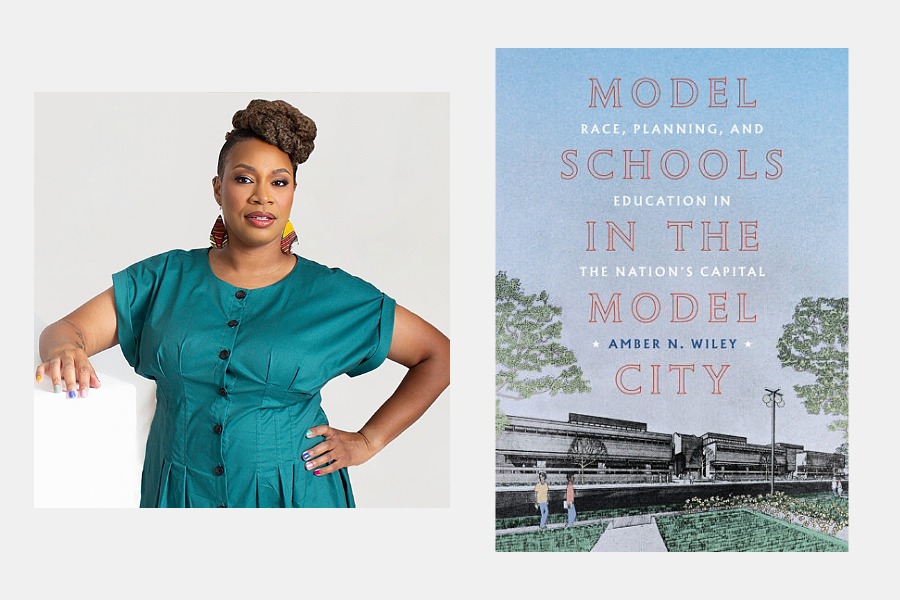
Christopher C. Gibbs College of Architecture professor and Institute for Quality Communities Director Dr. Amber N. Wiley’s book, Model Schools in the Model City: Race, Planning, and Education in the Nation’s Capital, has received two major honors from the Urban History Association.
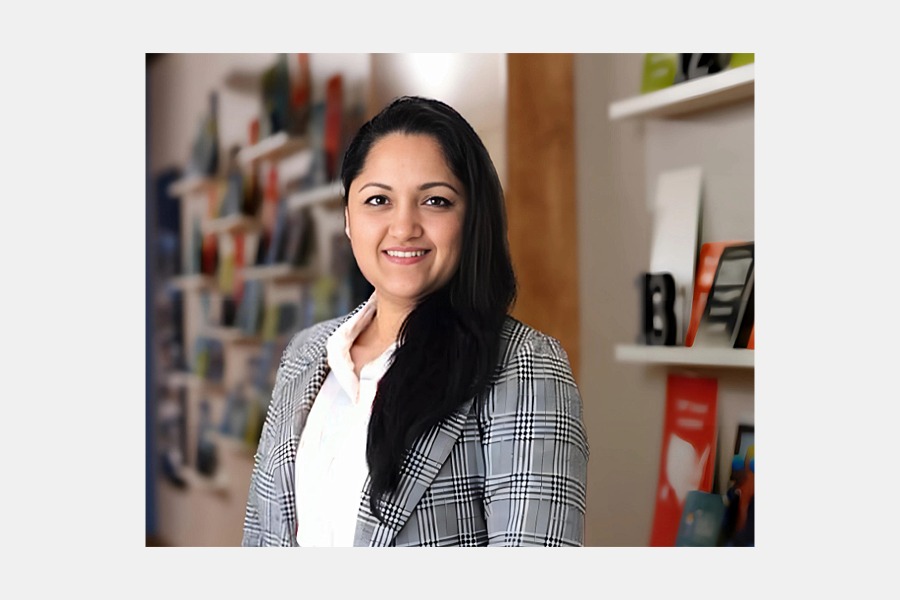
Research initiated by Christopher C. Gibbs College of Architecture alumna Naila Hasan during her master’s studies at the University of Oklahoma has continued through faculty collaboration and resulted in a peer-reviewed publication in HERD: Health Environments Research & Design Journal.
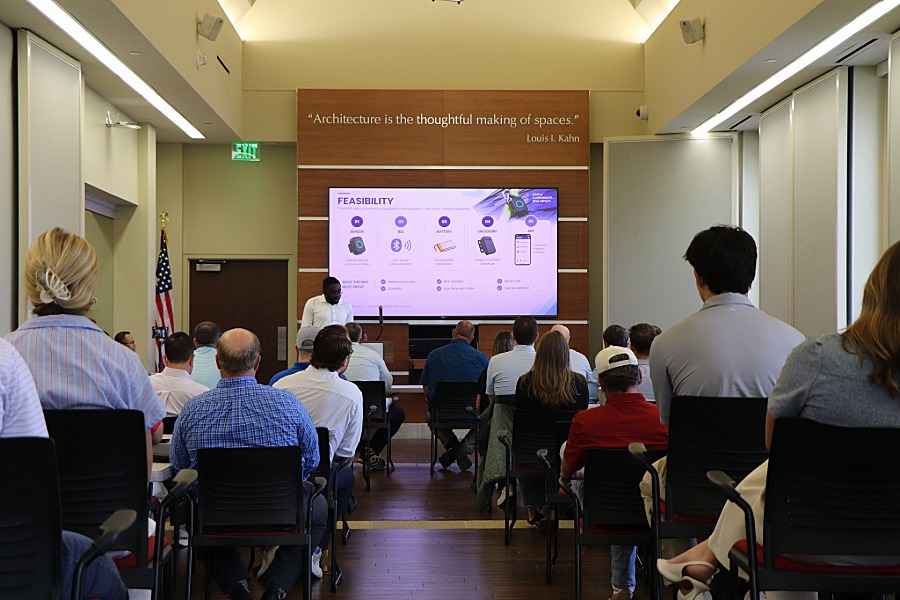
Gibbs College of Architecture is pleased to announce Esther Thorp, Tyler Boydstun and Chukwuma Nwokoye as the winners of the 2026 Construction Innovation Translation Hub (CIThub) Student Ideas Competition.