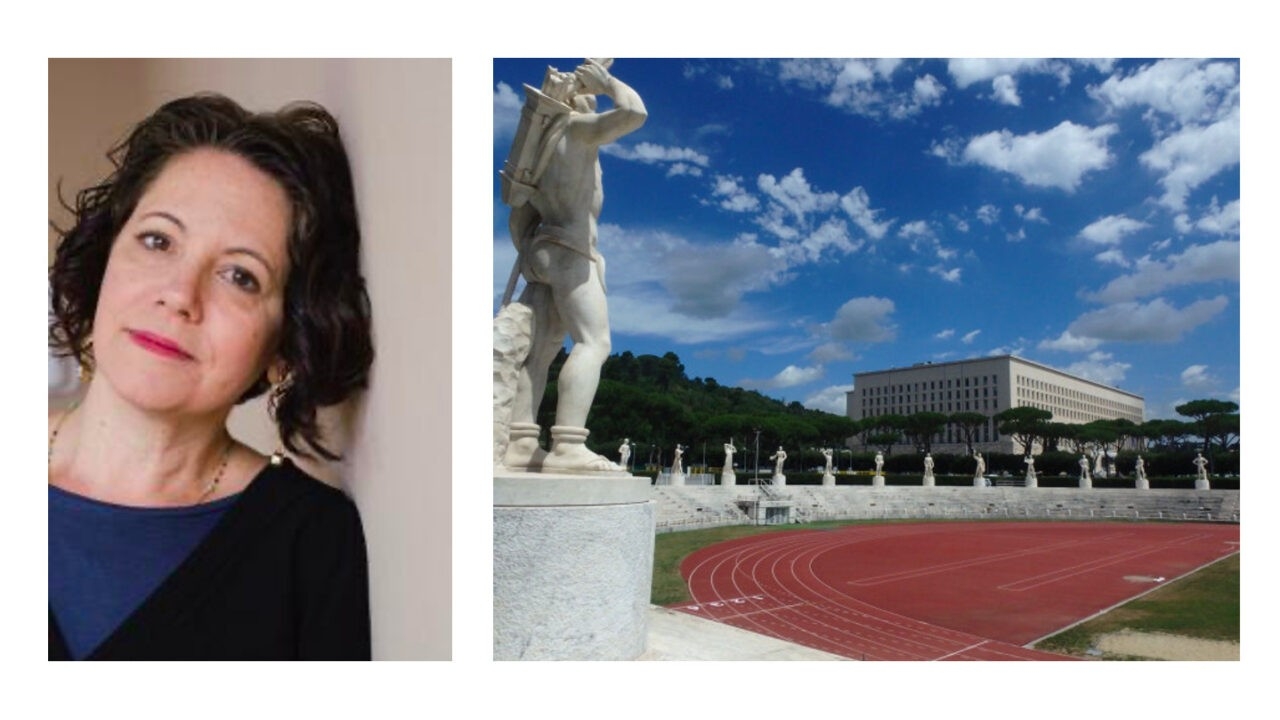
Dr. Stephanie Pilat, Director of the Division of Architecture, recently presented a talk at Brown University, titled “The Afterlife of Fascist Architecture and Urbanism.” The talk was sponsored by Brown University’s Department of the History of Art and Architecture.
Dr. Pilat discussed the physical legacy that the Fascist regime left in nearly every Italian village, town, and city. From entirely new towns, roads, and infrastructure to stadiums, summer camps, schools, housing, and monuments, the Italian Fascist regime sponsored a vast array of building projects, many of which still stand today.
Today, these reminders of fascism provoke the questions: Who should not decide the fate of these buildings, towns, and monuments scattered across the country and in Italy’s former colonies? Who gets a say in the afterlife of fascism? What do the decisions made about what to preserve, adapt, or demolish tell us about Italian society and nationalism today?
Dr. Pilat analyzed two sites in Rome in order to illustrate some of the ways in which the physical legacy of Fascism in Italy is being negotiated today.
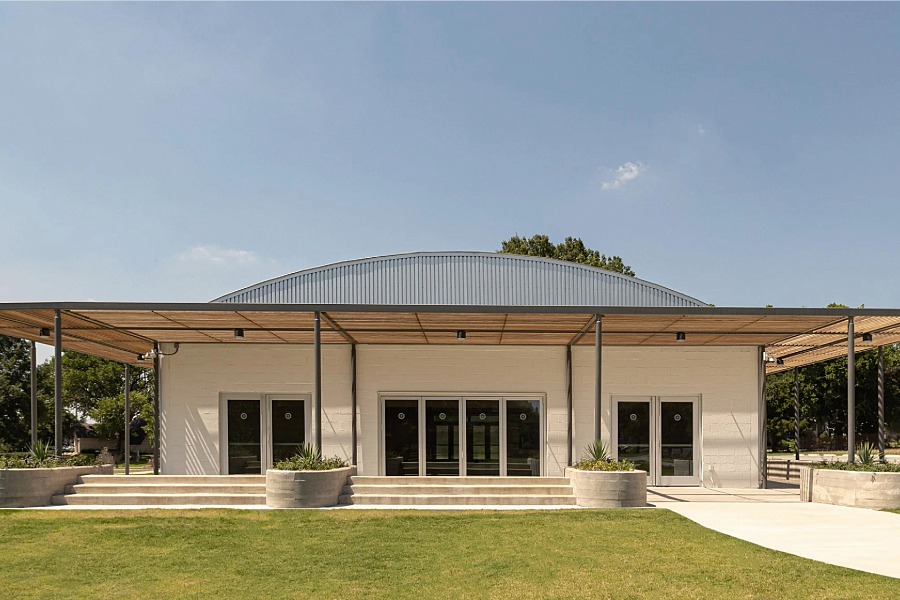
Christopher C. Gibbs College of Architecture assistant professor Amy Leveno and Mark Leveno, co-founders of OFFICIAL Design, have received a 2026 AIA Central States Region Design Award for the firm’s Granger Annex Community Center project in Garland, Texas.
Construction Industry Speaker Series welcomed Stephen Evans from the Oklahoma City National Memorial & Museum to give a lecture on better conversations and relationship building.
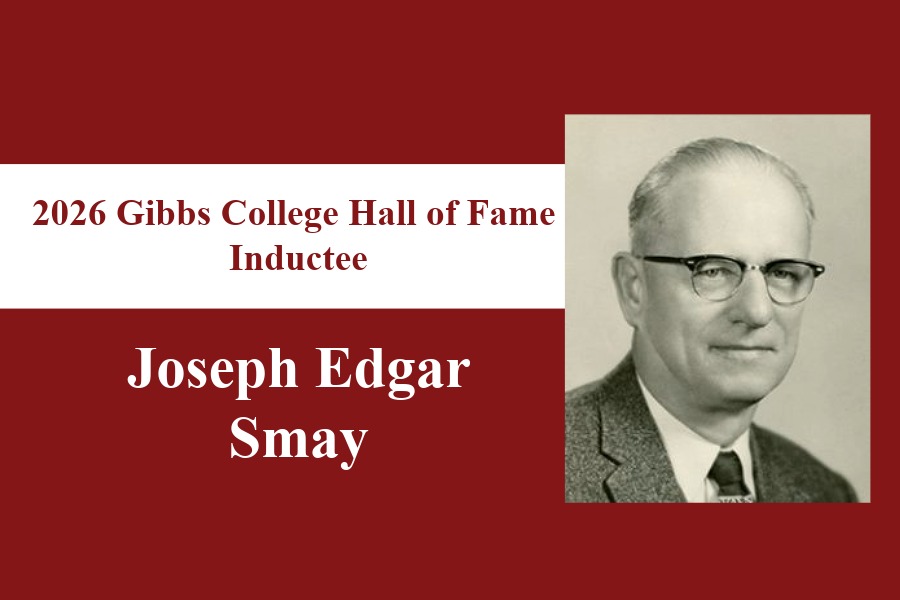
The University of Oklahoma Christopher C. Gibbs College of Architecture Hall of Fame recognizes a select number of high-character individuals who have made a significant and lasting positive impact on Gibbs College, its students, staff, faculty, alumni and/or to communities across the globe. The impact may have been, or continues to be, in the form of service and mentorship, sustained professional excellence, and/or advancement and financial support. Joseph Edgar Smay is part of the 2025 Hall of Fame class.