Assistant professor of Architecture Angela Person recently coauthored the article “Community education and perceptions of water reuse: A case study in Norman, Oklahoma,” published in the Journal of Environmental Studies and Sciences. The research looks at the effectiveness of community education in increasing citizens’ willingness to use recycled wastewater in Norman, Oklahoma.
This project was led by Madeline Wade, who carried out the work as part of her undergraduate capstone experience. The research was co-mentored by Person and Randy Peppler, who oversee undergraduate research related to environmental issues in their award-winning Environmental Sustainability Working Group.
The success of municipal wastewater reuse programs is often dependent on public willingness to use recycled water. Psychological reactions that contribute to behavioral intention have varying levels of influence, with the reaction of disgust or “yuck factor” creating the primary behavioral barrier. Factors influencing disgust reactions to recycled wastewater are of interest to psychologists and water managers alike. Research has shown that community education initiatives can increase willingness to support water reuse projects. A two-part study was carried out with a total of 114 participants in Norman, Oklahoma, where the local government is interested in implementing wastewater reuse to supplement water supply during drought. Participants were asked about their willingness to use this water and their feelings of disgust, as well as their trust of public officials before and after touring the Norman Water Reclamation Facility. Results found that willingness and disgust are inversely related. Political affiliation, education, and previous knowledge of the program had significant effects on willingness to use recycled wastewater. Community education significantly increased willingness to use that water and to support an eventual ballot initiative to expand indirect potable reuse. These results suggest community education can overcome initial reactions of disgust that contribute to behavioral intention.
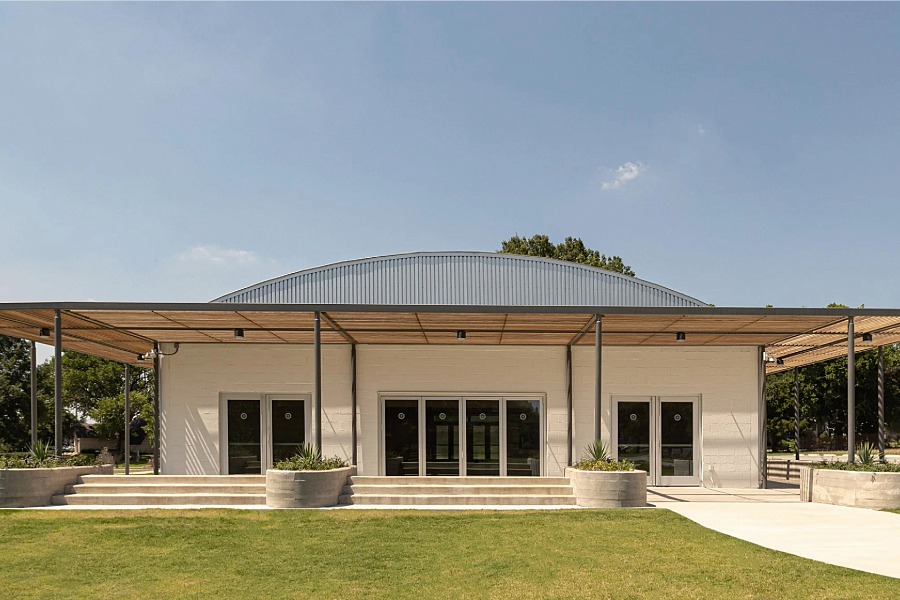
Christopher C. Gibbs College of Architecture assistant professor Amy Leveno and Mark Leveno, co-founders of OFFICIAL Design, have received a 2026 AIA Central States Region Design Award for the firm’s Granger Annex Community Center project in Garland, Texas.
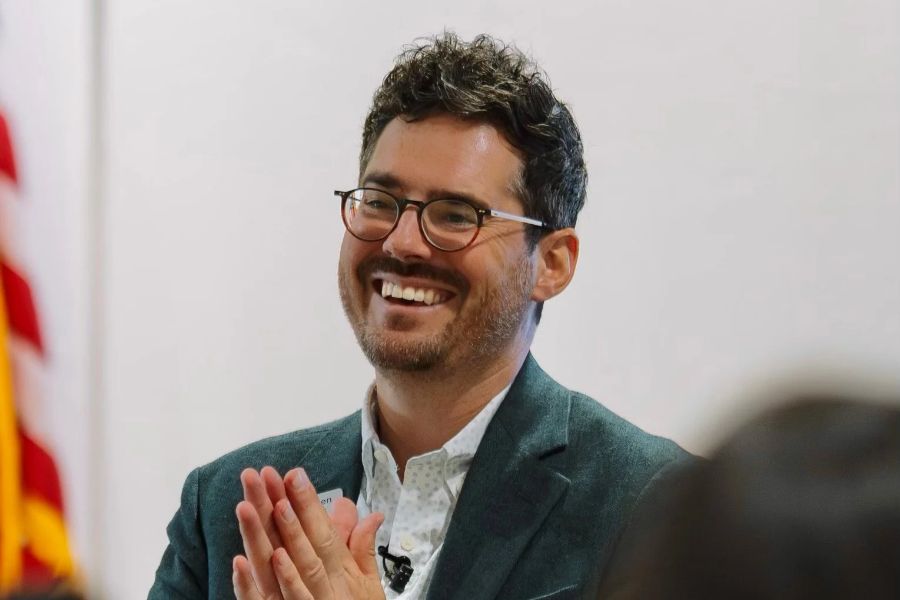
Construction Industry Speaker Series welcomed Stephen Evans from the Oklahoma City National Memorial & Museum to give a lecture on better conversations and relationship building.
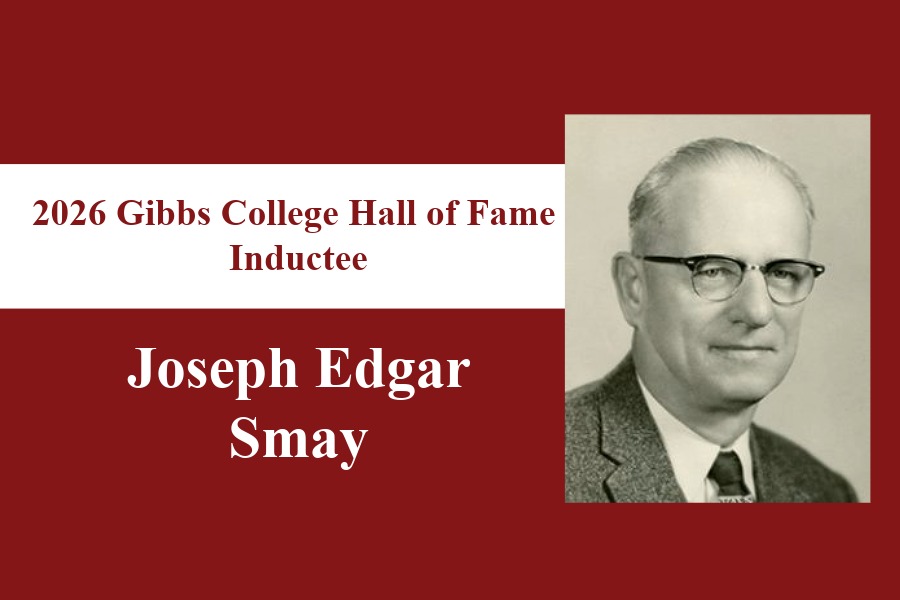
The University of Oklahoma Christopher C. Gibbs College of Architecture Hall of Fame recognizes a select number of high-character individuals who have made a significant and lasting positive impact on Gibbs College, its students, staff, faculty, alumni and/or to communities across the globe. The impact may have been, or continues to be, in the form of service and mentorship, sustained professional excellence, and/or advancement and financial support. Joseph Edgar Smay is part of the 2025 Hall of Fame class.