Assistant profs. Sarah Little (Landscape Architecture) and John Harris (Regional and City Planning) recently published in the peer reviewed journal Urban Forum. The article uses maps drawn by youth living in Lusaka, Zambia’s informal settlements to better understand how those youth understand their environment. The analysis suggests that there are several social-spatial anchors of hope in the city’s informal settlements that simultaneously orient youth’s day-to-day lives and long-term aspirations. These findings suggest that the youth locate hope and despair throughout their settlements in discrete locations and also see hope as a group effort. The findings are also used to make recommendations for how urban managers can use this information to support the hopes of informal settlement youth.
Access their full article, entitled “Mapping Hope: How Do Vulnerable Youth Locate Hope in Informal Settlements?,” here.
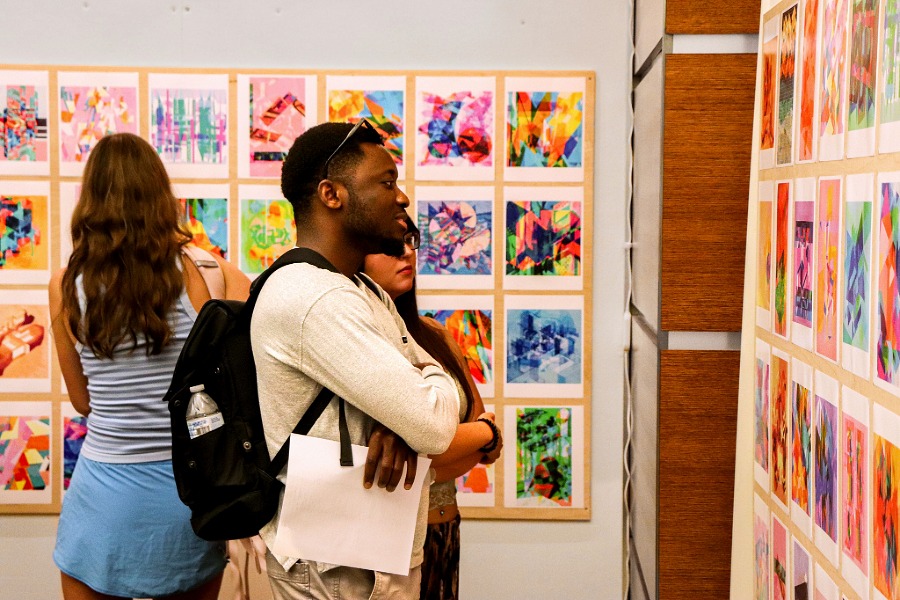
Gibbs College is pleased to present the exhibition 200 Digital Drawings by Professor Tiziana Proietti, currently on display in the Gould Hall Living Room.
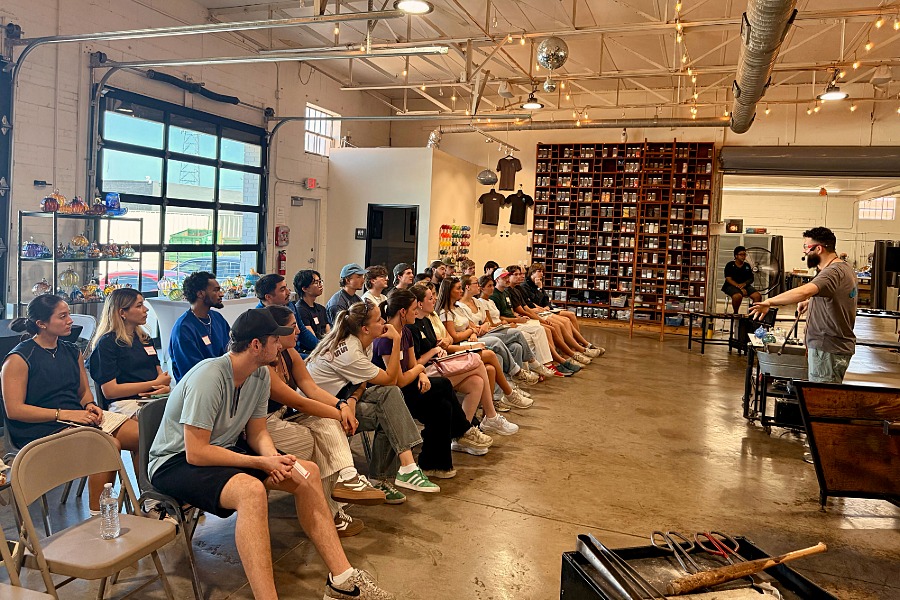
Gibbs College of Architecture Professors Amber Brown and Amy Leveno led 29 students to Dallas, Texas, in September for a learning experience as part of their Design 7 Studio course.
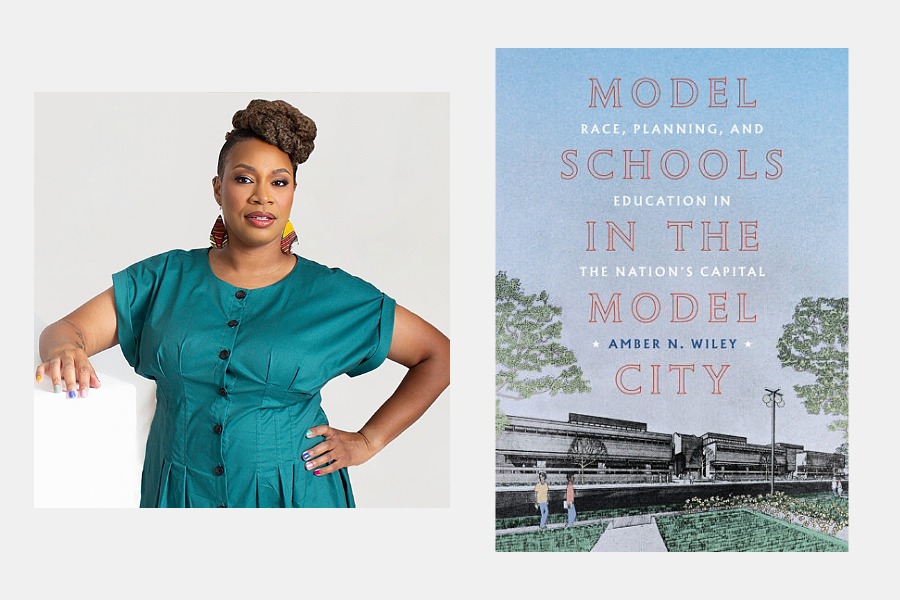
Christopher C. Gibbs College of Architecture professor and Institute for Quality Communities Director Dr. Amber N. Wiley’s book, Model Schools in the Model City: Race, Planning, and Education in the Nation’s Capital, has received two major honors from the Urban History Association.