
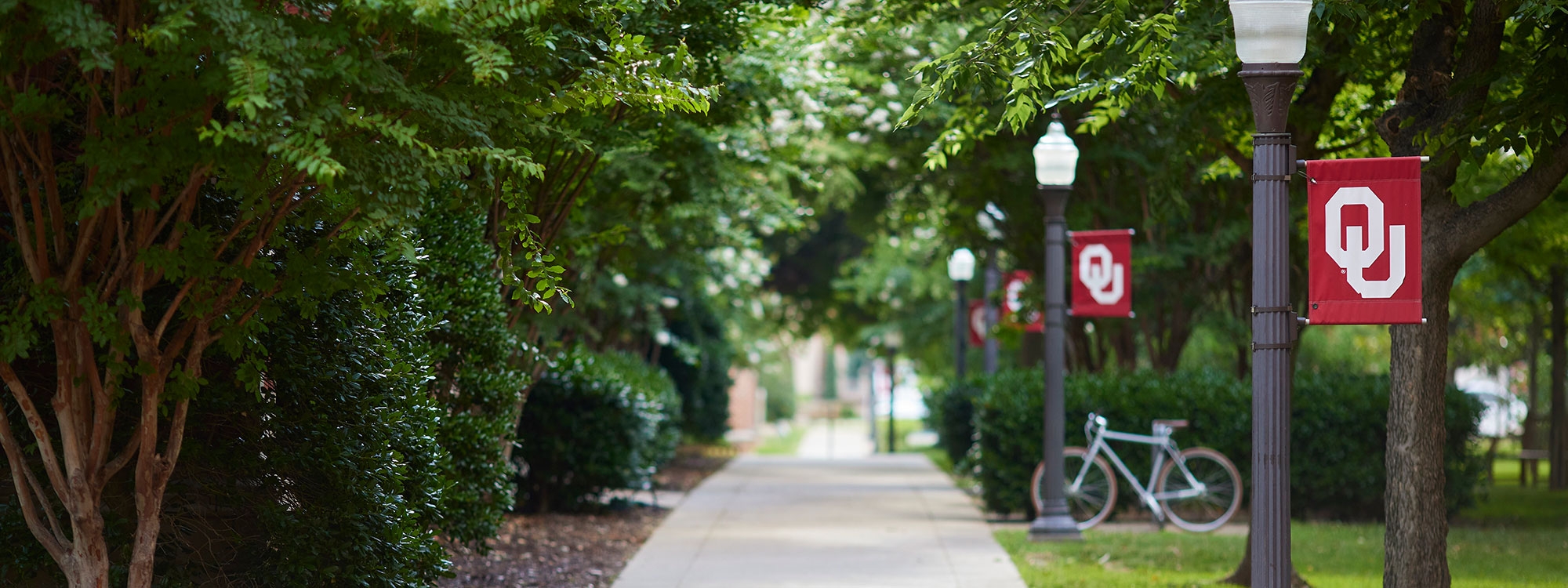
The Osher Lifelong Learning Institute (OLLI) at the University of Oklahoma is a community for adults 50+ who want to keep learning, connect with others, and stay engaged.
Whether you're eager to explore a new interest, rekindle a lifelong passion, or connect with others who share your curiosity, OLLI opens the door to a world of discovery, inspiration, and friendship.
Enjoy an exciting array of affordable, non-credit classes, lectures, discussions, and special events designed to spark your imagination and enrich your life, all in a welcoming, relaxed environment. There are no tests, no grades, and no required textbooks. Just the freedom to learn, explore, and enjoy the journey.
Our courses and programs are led by University of Oklahoma faculty and accomplished community experts who bring knowledge, experience, and real-world perspectives to every session. Whether you're exploring history, science, the arts, current events, technology, or wellness, you'll find opportunities to learn something new and engaging.
Thanks to the generous support of the Bernard Osher Foundation, OLLI became part of a nationwide network of lifelong learning institutes in 2006 and achieved endowed status in 2010. Today, OLLI continues to inspire curious minds across Oklahoma through dynamic educational experiences, meaningful connections, and vibrant social engagement.
We are grateful to the members, volunteers, instructors, and supporters who have helped build this thriving community of lifelong learners. Now, we'd love for you to join us.
Come explore new ideas, make new friends, and discover new possibilities. Learning doesn't stop when school ends. In fact, some of life's greatest adventures begin right here.
Your next adventure in lifelong learning starts today.
Despite its name meaning "eighth month" in Latin (octo), October is actually the tenth month of the Gregorian calendar
November Food Traditions:
Getting familiar with campus parking can make your first visits much smoother! Here’s what you need to know:
Campus parking is divided into different areas. Some lots are reserved for on-campus residents, while others are designated for commuter students.
Your OLLI pass allows you to park in:
You’ll also notice parking spaces specifically marked for faculty and staff—be sure to avoid these unless your pass allows it.
Always keep your OLLI parking pass visible when parked on campus to avoid any issues.
