NEWS


TULSA, Okla. – Tiny white coats, stuffed‑animal patients and big imaginations filled OU School of Community Medicine at OU–Tulsa recently as elementary‑aged children from across the Tulsa area stepped into the world of medicine during Doctor for a Day, a highly visual, hands‑on experience designed to spark curiosity about health care careers—and make the doctor’s office feel a little less intimidating.
For one lively morning, young participants became mini medical professionals, bringing their own teddy bears and plush companions for checkups at the Teddy Bear Clinic. With guidance from School of Community Medicine physicians, medical students and simulation experts, children practiced taking vital signs, listening to heart and lung sounds, examining the eyes and ears, and diagnosing make-believe injuries using real medical tools. The result was a lot of learning, laughter and plenty of photo‑worthy moments.
Kids proudly posed in tiny white coats at the photo booth, carefully wrapped bandages around their stuffed animals, and confidently explained their “diagnoses.” The experience wasn’t just cute—it was intentional. Organizers say early exposure is key to building comfort with health care while planting the seeds for future careers in medicine at a time when communities nationwide face health care workforce shortages.
Throughout the event, children rotated through immersive stations designed to bring science and medicine to life. One standout attraction was the medical simulation lab, where kids met AI‑powered manikins that cry, breathe and react like real patients. An infant simulator affectionately nicknamed “Tori” demonstrated how doctors respond to symptoms such as fever, breathing difficulties or even seizures, giving children a glimpse into the realities of patient care.
At the mock surgery station, participants tested laparoscopic simulators, while nearby STEM and game‑based stations kept curiosity high. Kids built colorful DNA models, explored nutrition activities and reached into “Can You Feel It?” mystery boxes to identify objects by touch alone. X‑ray crafts, heart and lung sound demonstrations, and a classic game of Operation reinforced how fun—and accessible—learning about the human body can be.
Adding to the excitement was a special visit from the Tulsa Drillers mascot, Hornsby, who stopped by to cheer on the budding doctors and pose for photos, drawing smiles from kids and parents alike.
Dr. Lauren Conway emphasized the long‑term impact of events like Doctor for a Day.
“Events like Doctor for a Day are an opportunity to try and build that health care workforce,” Conway said. “Granted, we’re starting pretty young in elementary school, but we want these kids to continue to engage with us through our high school programming and our college programming and eventually join us here at the School of Community Medicine.”
By the end of the day, many young participants left with more than a sticker or photo—they left feeling confident, curious and inspired. And for OU–Tulsa, Doctor for a Day once again proved that nurturing the next generation of health care professionals can start with a stuffed animal, a stethoscope and the simple joy of discovery.
About the University of Oklahoma
Founded in 1890, the University of Oklahoma is a public research university located in Norman, Oklahoma. As the state’s flagship university, OU serves the educational, cultural, economic and health care needs of the state, region and nation. For more information about the university, visit www.ou.edu.
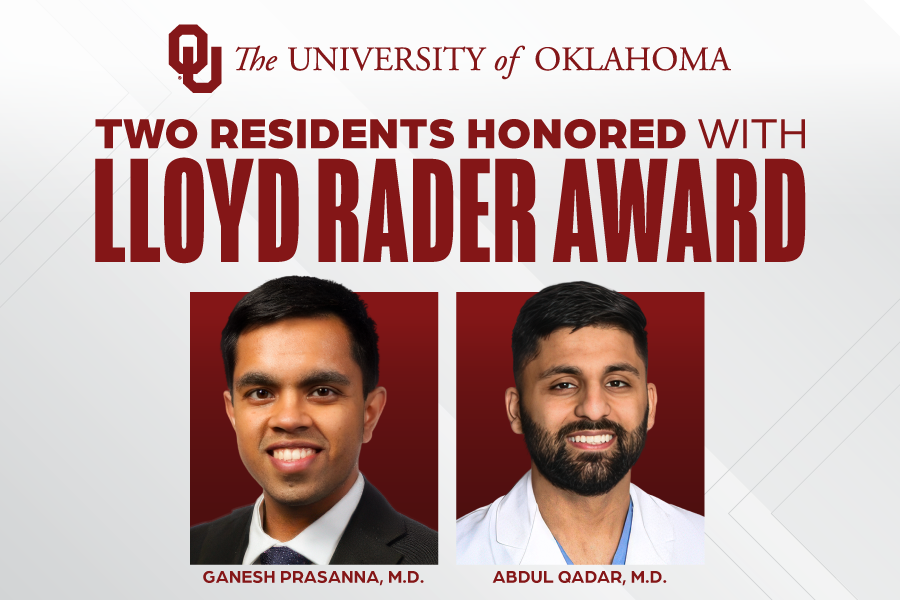
The University of Oklahoma College of Medicine has honored two residents with the Lloyd Rader Award, which recognizes outstanding clinical and research achievements in residency.
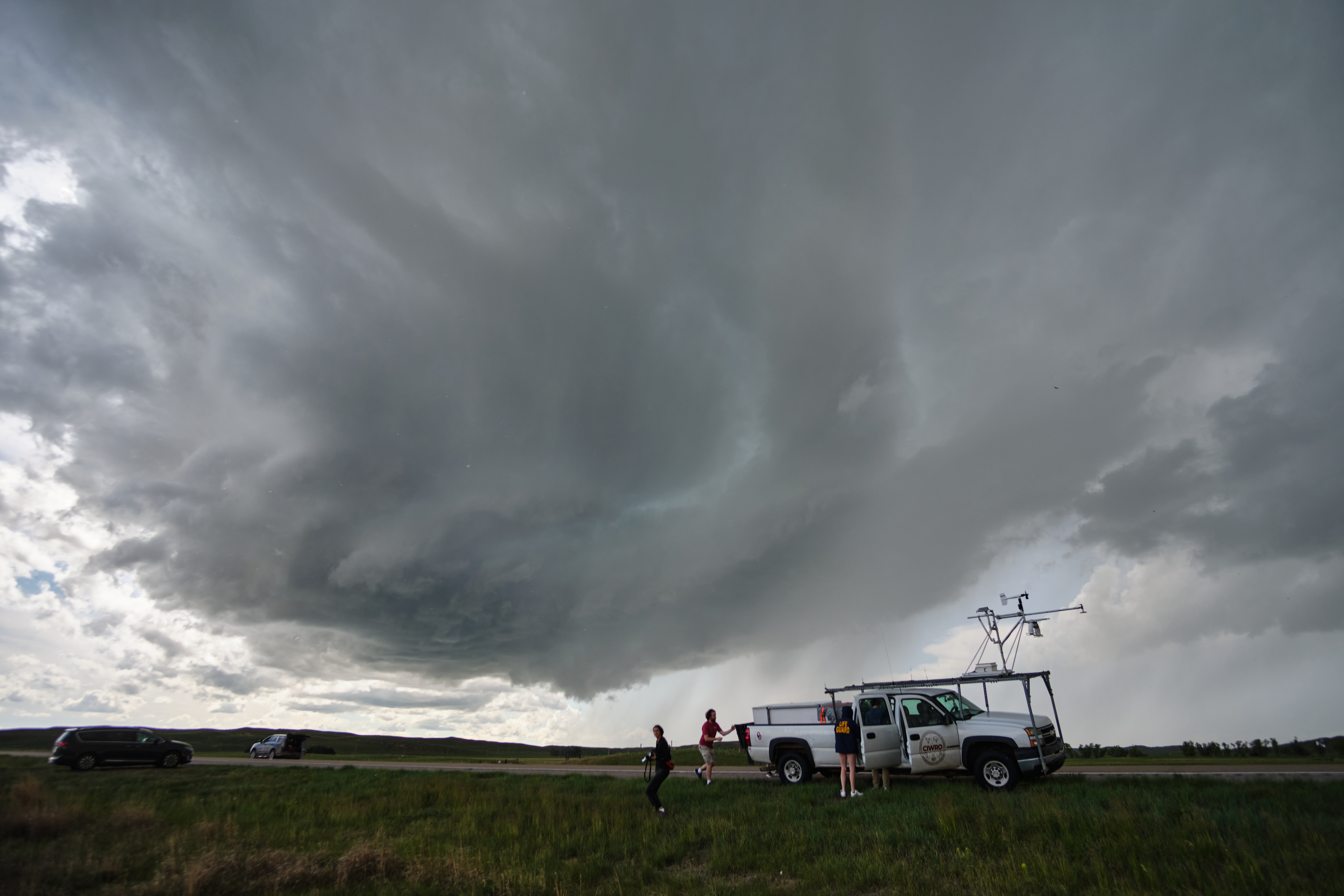
The University of Oklahoma will receive up to $220 million over five years from the U.S. Department of Commerce and the National Oceanic and Atmospheric Administration to continue the life-saving weather research led by the OU-NOAA Cooperative Institute for Severe and High-Impact Weather Research and Operations, extending a nearly 50-year partnership that has helped give Americans earlier, more accurate weather warnings
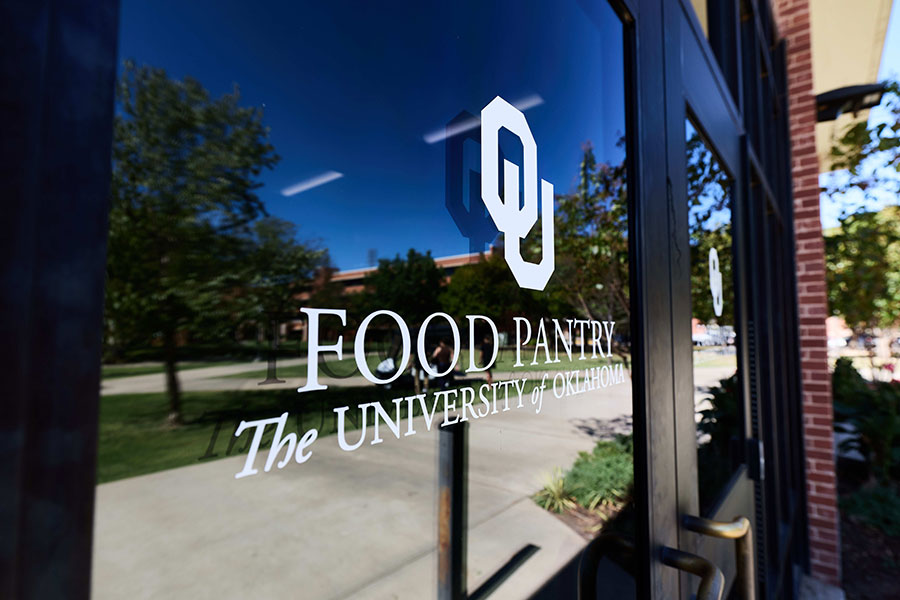
The OU Food Pantry won the annual Red River Food Fight, collecting 31,815.9 pounds of shelf-stable food and drinks to top UT Outpost’s 22,567 pounds. OU has won the competition four years in a row.