NEWS

The Gallogly College of Engineering at the University of Oklahoma has launched a new Online Graduate Certificate in Bioprocessing, a forward‑thinking program designed to expand access to bioprocessing education while strengthening the nation’s biotechnology workforce.
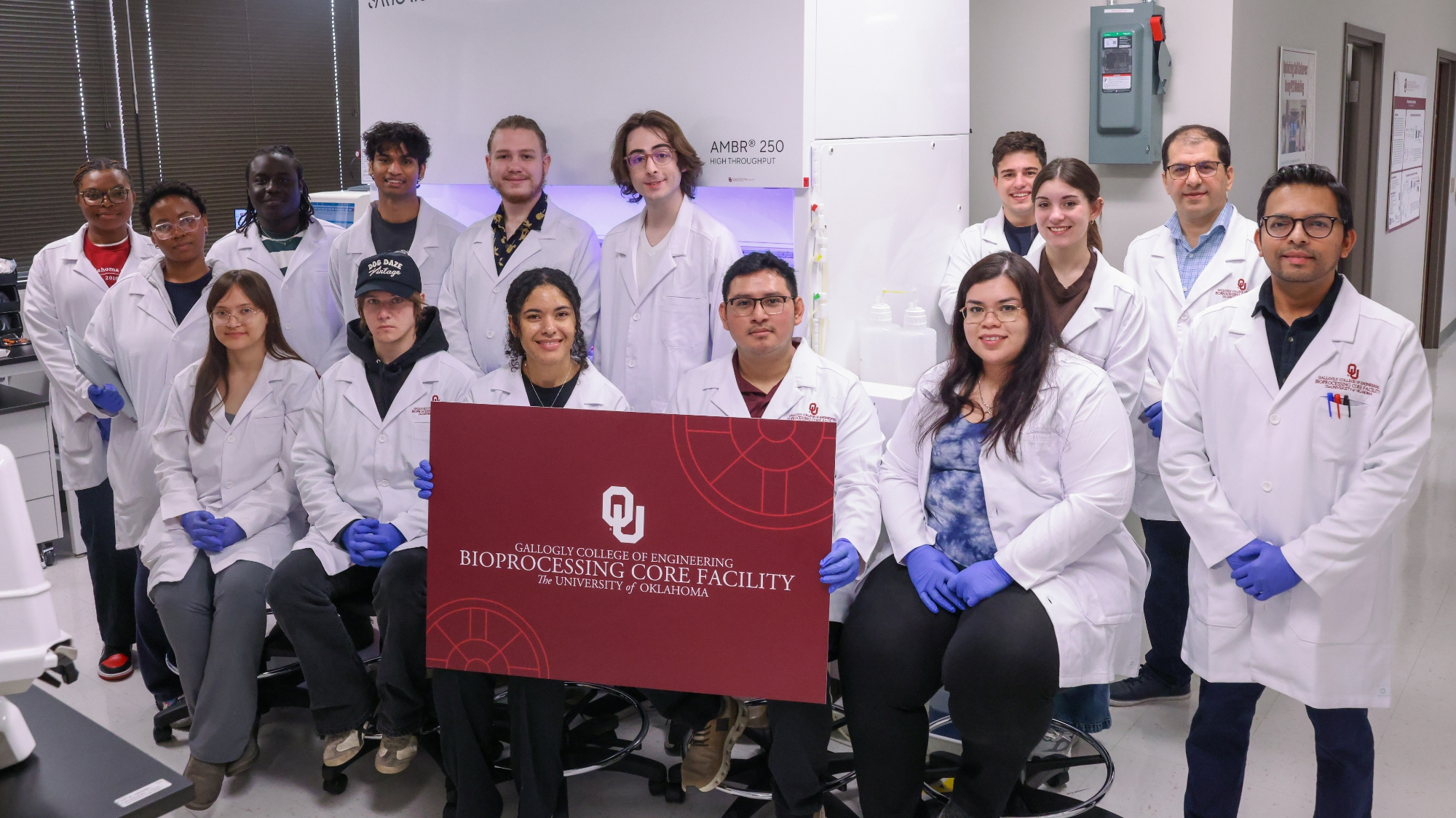
This innovative certificate pairs the convenience of asynchronous online coursework with hands‑on laboratory training at the OU Bioprocessing Core Facility (OU BPCF)—empowering learners to gain real industry experience using bioreactors, purification systems and analytical tools essential to modern biomanufacturing.
“Biotechnology-driven solutions are rapidly transforming health care, agriculture, sustainability and advanced manufacturing,” said John Klier, Dean of the Gallogly College of Engineering. “This certificate enables learners to immediately engage with the tools and techniques that define modern bioprocessing, while benefiting from the accessibility of high‑quality online education.”
Designed in collaboration with academic and industry leaders, the curriculum covers upstream and downstream bioprocessing, translational biomanufacturing, regulatory considerations, and essential workforce skills. The hybrid model allows working professionals across the country to participate without pausing their careers.
“This certificate reflects OU’s leadership in bridging academic excellence with real‑world application,” said Jeffery Volz, associate dean for partnerships of the Gallogly College of Engineering. “By combining online learning with authentic laboratory training, we are creating a new model for scalable, high‑impact biotechnology education.”
The program’s hands-on immersion at the Bioprocessing Core Facility ensures graduates leave with real‑world experience that translates immediately into workplace capability, meeting critical biomanufacturing needs across the region and the nation.
“The Gallogly College of Engineering is committed to meeting industry demand with programs that are rigorous, forward-thinking, and accessible,” said Klier. “Our goal is to democratize access to advanced bioprocessing skills and empower learners to lead in an innovation-driven economy.”
Enrollment for the inaugural cohort is now open. Learn more at engineering.ou.edu.
About the University of Oklahoma
Founded in 1890, the University of Oklahoma is a public research university located in Norman, Oklahoma. As the state’s flagship university, OU serves the educational, cultural, economic and healthcare needs of the state, region and nation. For more information about the university, visit www.ou.edu.
One in eight Oklahomans has type 2 diabetes, and an estimated one-third of the state’s adult population has undiagnosed prediabetes. University of Oklahoma researchers are developing a digital outreach program to help people understand their risk and connect with resources to help prevent the disease.
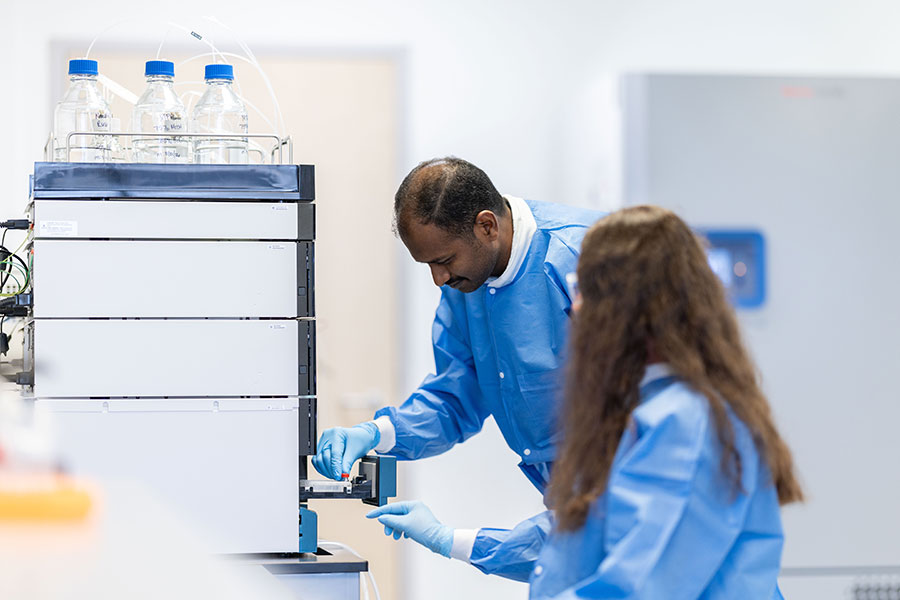
The Presbyterian Health Foundation has provided a grant for the University of Oklahoma College of Pharmacy to obtain its first liquid chromatography mass spectrometry equipment system. This acquisition expands the health campus’s ability to turn research into real-world impact.
Armed with a new five-year, $3.4 million grant from the National Institutes of Health, OU healthcare leaders are building the first chronic pain mHealth intervention app made with and for Native Americans.