NEWS


NORMAN, OKLA. – University of Oklahoma Anthropology Professor Paul Spicer has been named a fellow of the American Association for the Advancement of Science, the world’s largest multidisciplinary scientific society.
Spicer, who also serves as co-director of the Center for Applied Social Research, is one of 471 scientists and engineers recognized for outstanding scientific and societal contributions across 24 disciplines. He is the only recipient from Oklahoma and one of just 10 Fellows in the Section on Societal Impacts of Science and Engineering awarded in 2024.
He is also a principal investigator of the Center on the Ethics of Indigenous Genomic Research, a National Human Genome Research Institute Center of Excellence in Ethical, Legal and Social Implications Research and director of Community Engagement and Outreach at the Oklahoma Clinical and Translational Science Institute.
“This is an honor and recognizes the impact of our team’s work on the implications of genomics for Native people across the United States,” he said. “Our goal is to address the historic genomic issues that concern these communities and help find a path forward when genomics may be relevant. At OU, this work involves not just our team, but also the Native Nations Center and the Stephenson Cancer Center. Most importantly, it’s only possible because of our formal partnerships with researchers who work directly for Native Nations and who drive our research agenda.”
This is the second consecutive year a professor in the OU Department of Anthropology has been named an AAAS Fellow. Bonnie Pitblado, the Robert E. and Virginia Bell Endowed Professor in Anthropological Archaeology, was recognized in 2023.
“This year’s class of Fellows are the embodiment of scientific excellence and service to our communities,” said Sudip S. Parikh, AAAS chief executive officer and executive publisher of the Science family of journals. “At a time when the future of the scientific enterprise in the U.S. and around the world is uncertain, their work demonstrates the value of sustained investment in science and engineering.”
To be considered for an AAAS fellowship, members must be nominated by the steering group of their section, by three other Fellows or by the association’s chief executive officer. Fellows must have been continuous members of AAAS for at least four years by the end of the calendar year in which they are elected. Being named a Fellow is a lifetime honor that dates to 1874.
Learn more about Center for Applied Social Research and view the full list of 2024 AAAS Fellows.
About the University of Oklahoma
Founded in 1890, the University of Oklahoma is a public research university located in Norman, Oklahoma. As the state’s flagship university, OU serves the educational, cultural, economic and health care needs of the state, region and nation. For more information about the university, visit www.ou.edu.
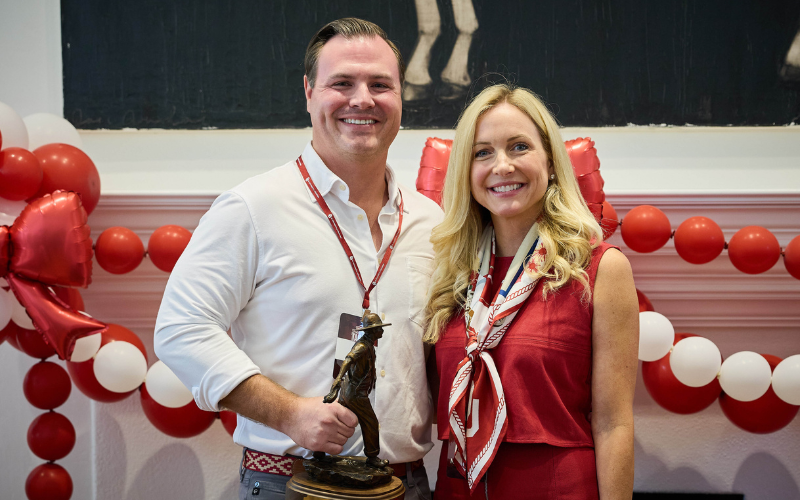
The University of Oklahoma has received a transformative gift from Jon and Shannon McCartney, which will name the McCartney Family Tunnel of Champions, the McCartney Family Gate of the Gaylord Family - Oklahoma Memorial Stadium and the McCartney Family Grand Lecture Hall in the Michael F. Price College of Business. The gift will also support the Inspiring Champions and the Athletic Director’s Discretionary Fund, in addition to establishing the McCartney DFW Career Trek program at Price College.
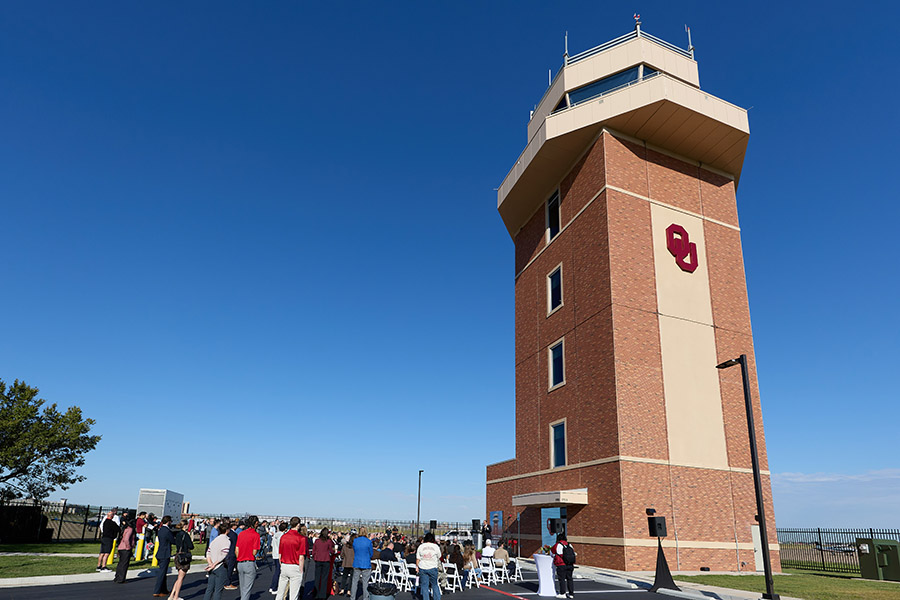
The University of Oklahoma today celebrated the opening of a new air traffic control tower at the OU Max Westheimer Airport. Standing 106 feet tall, more than double the current 52-foot facility, the new tower will modernize air traffic control operations and improve safety for pilots and students operating in the airspace.
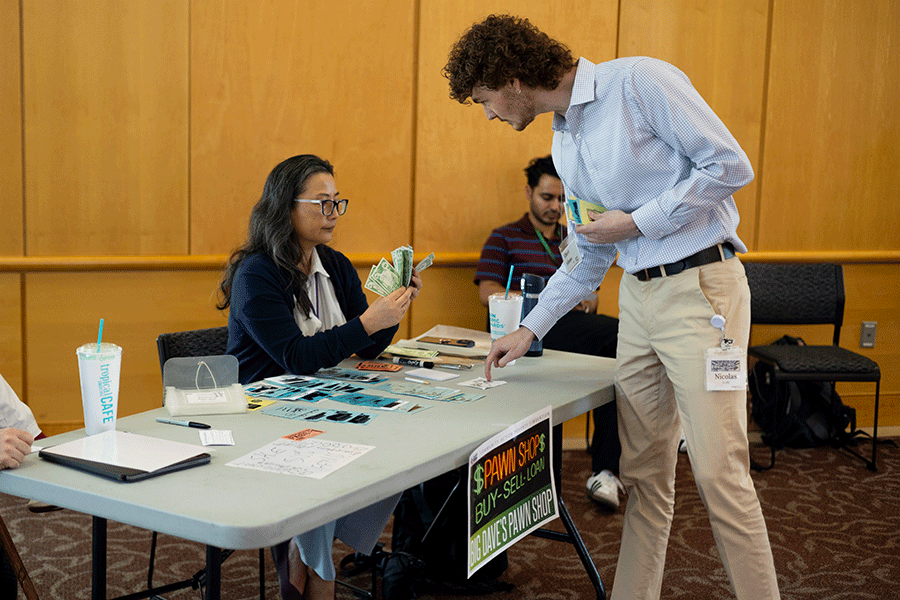
Do I buy groceries or pay the electric bill? Should I pawn some of my belongings to afford my prescription? My child is sick, so I will have to miss work to take care of him. Those are just a few of the difficult choices that OU-Tulsa health professional students confronted during the Community Access to Resources Experience. The role-playing activity challenged students to navigate the financial, family and other pressures that can affect a person’s health and ability to follow medical advice. Held annually during the SCM Institute orientation week, the experience is designed to generate understanding and build empathy.