The Christopher C. Gibbs College of Architecture mourns the passing of alumnus J. Todd Scott, FAIA, whose career was dedicated to documenting, preserving and reimagining historic architecture across the country.
Scott earned his architecture degree from the University of Oklahoma before building a distinguished career focused on historic architecture and the built environment. He later moved to Astoria, Oregon, and then Seattle, Washington, where he worked for King County.
For 20 years, Scott served as a Preservation Architect for King County, where his work reflected a deep commitment to the value of the built environment and the places that connect communities to their history. As an architect and urban designer, he championed historic landmarks as well as overlooked spaces, helping communities recognize, preserve and reimagine the places that tell their stories.
Scott’s contributions to the field earned national recognition. In 2024, he was inducted into the American Institute of Architects (AIA) College of Fellows, an honor earned by fewer than three percent of architects nationwide.
His passion for thoughtful design and his dedication to the built environment leave a legacy in the communities he served and the places he helped shape. Gibbs College extends its sincere condolences to his family, friends, colleagues and all who were touched by his life and work.
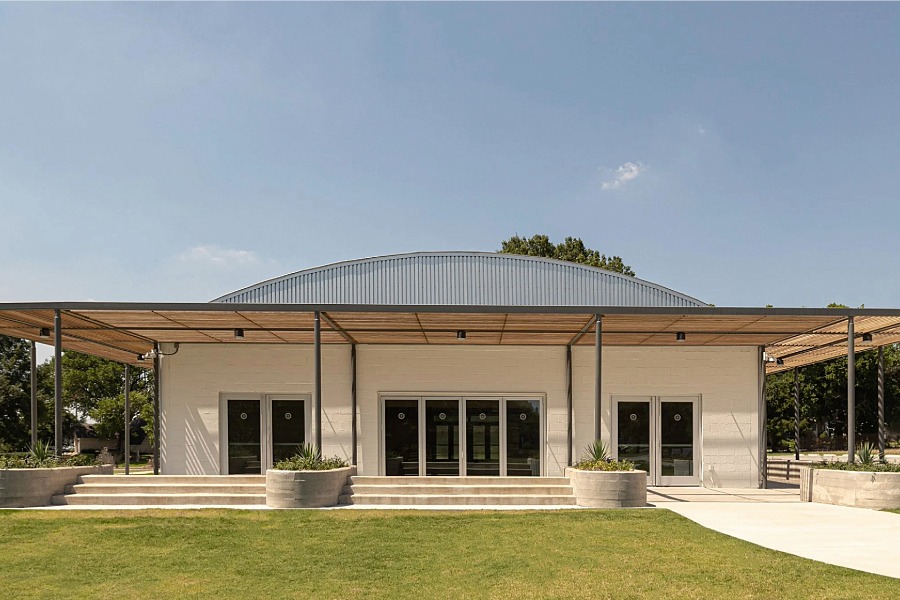
Christopher C. Gibbs College of Architecture assistant professor Amy Leveno and Mark Leveno, co-founders of OFFICIAL Design, have received a 2026 AIA Central States Region Design Award for the firm’s Granger Annex Community Center project in Garland, Texas.
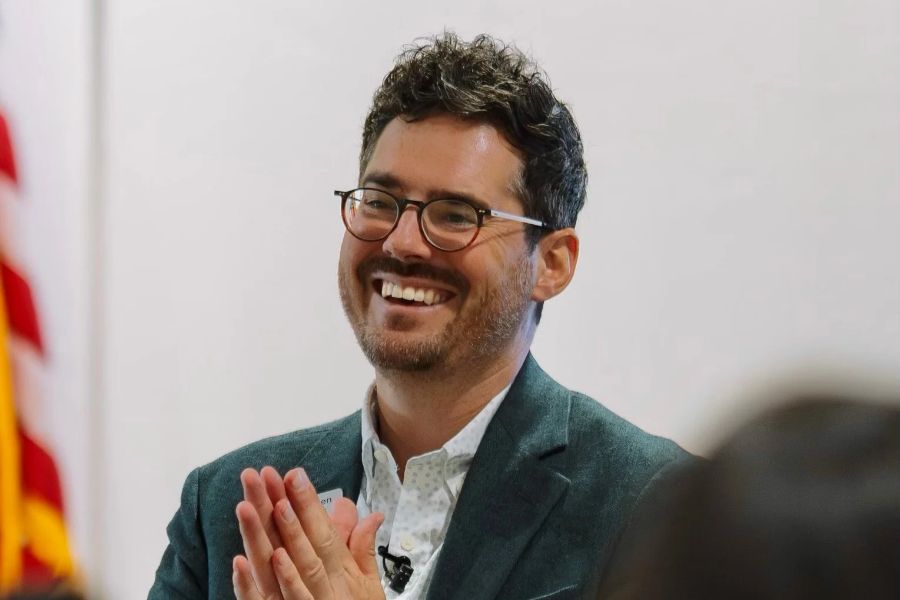
Construction Industry Speaker Series welcomed Stephen Evans from the Oklahoma City National Memorial & Museum to give a lecture on better conversations and relationship building.
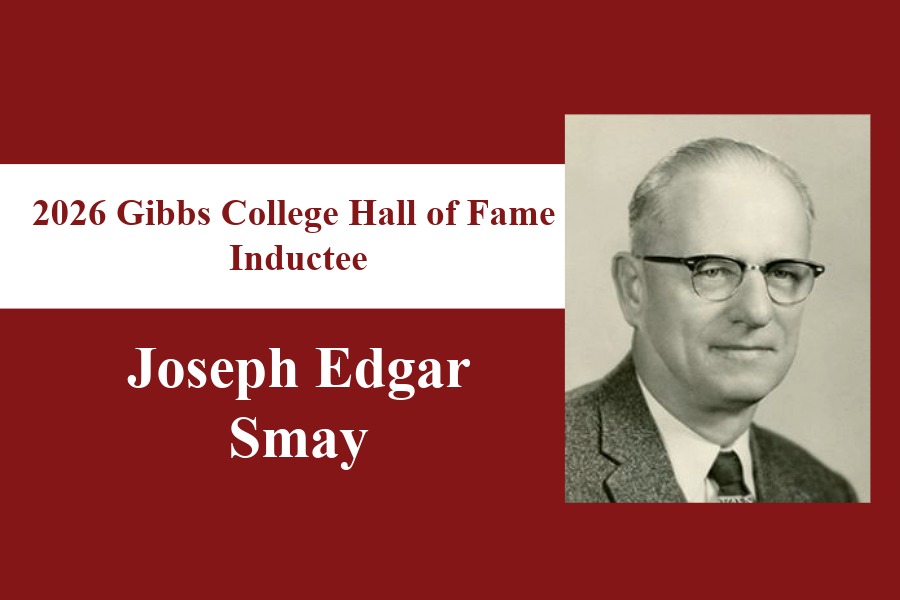
The University of Oklahoma Christopher C. Gibbs College of Architecture Hall of Fame recognizes a select number of high-character individuals who have made a significant and lasting positive impact on Gibbs College, its students, staff, faculty, alumni and/or to communities across the globe. The impact may have been, or continues to be, in the form of service and mentorship, sustained professional excellence, and/or advancement and financial support. Joseph Edgar Smay is part of the 2025 Hall of Fame class.