Lahari Peluri, an alumna of OU’s Master of Urban Design program, recently contributed to a project that was honored with the prestigious Vernon Deines Award by the American Planning Association’s Small Town and Rural Planning Division. The Stephenville 2050 Comprehensive Plan, envisions a more resilient, community-driven future for the City of Stephenville, Texas, and stands out as a model for small-town planning nationwide.
Peluri played a key role in the project as part of the team at Lionheart Places, where she focused on graphics and visual storytelling. Her contributions helped transform complex planning data into clear, compelling visuals that brought the plan’s concepts to life for the broader community. These graphics included before-and-after land-use comparisons, illustrations of walkable neighborhoods, and frameworks for complete communities—tools that helped bridge the gap between planning policy and public understanding.

Figure 68: Community Core Neighborhood (Source: Stephenville 2025 Comprehensive Plan)
The Stephenville 2050 plan emphasizes sustainable growth, vibrant public spaces, and strong local partnerships. Its success reflects a growing recognition of how visual communication can support meaningful engagement and drive more inclusive planning outcomes.
“Design has the power to connect people to ideas,” said Peluri. “This project reminded me how thoughtful visuals can help communities truly see and shape their future.”
Peluri’s work exemplifies the values at the heart of urban design: collaboration, inclusivity, and vision. At OU, she honed her interdisciplinary approach to planning—blending design, policy, and community engagement—to create people-centered places. Her experience in Stephenville is a testament to how design can elevate the planning process and inspire a shared vision for tomorrow.
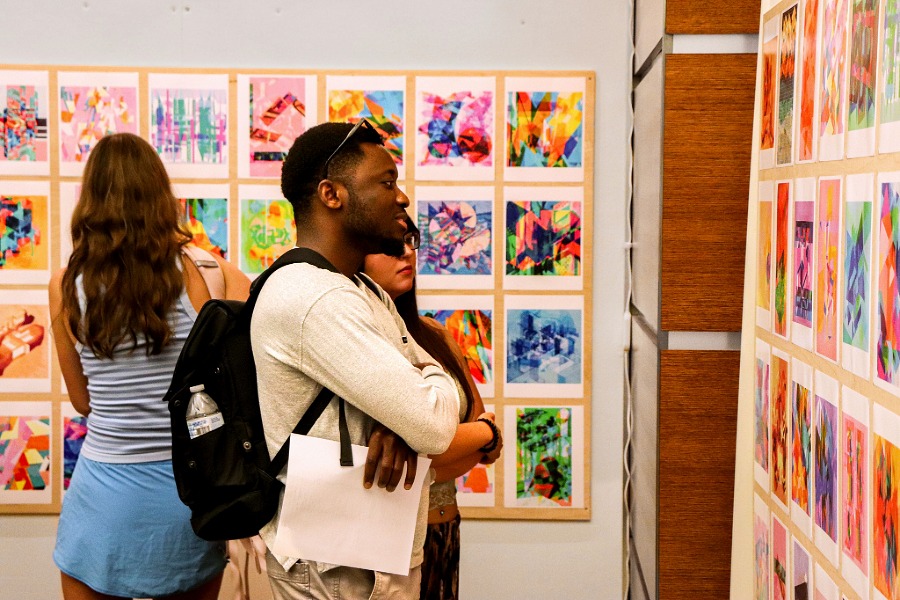
Gibbs College is pleased to present the exhibition 200 Digital Drawings by Professor Tiziana Proietti, currently on display in the Gould Hall Living Room.
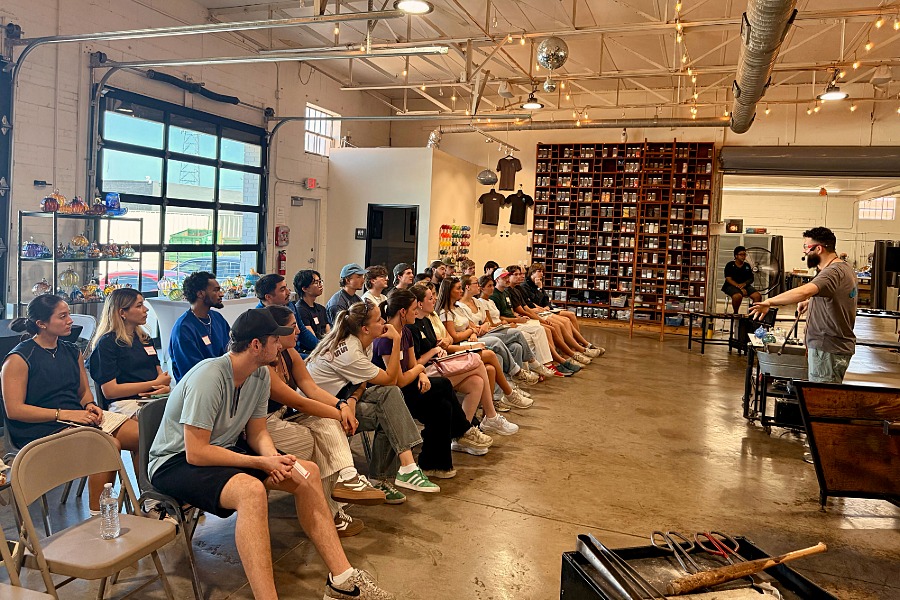
Gibbs College of Architecture Professors Amber Brown and Amy Leveno led 29 students to Dallas, Texas, in September for a learning experience as part of their Design 7 Studio course.
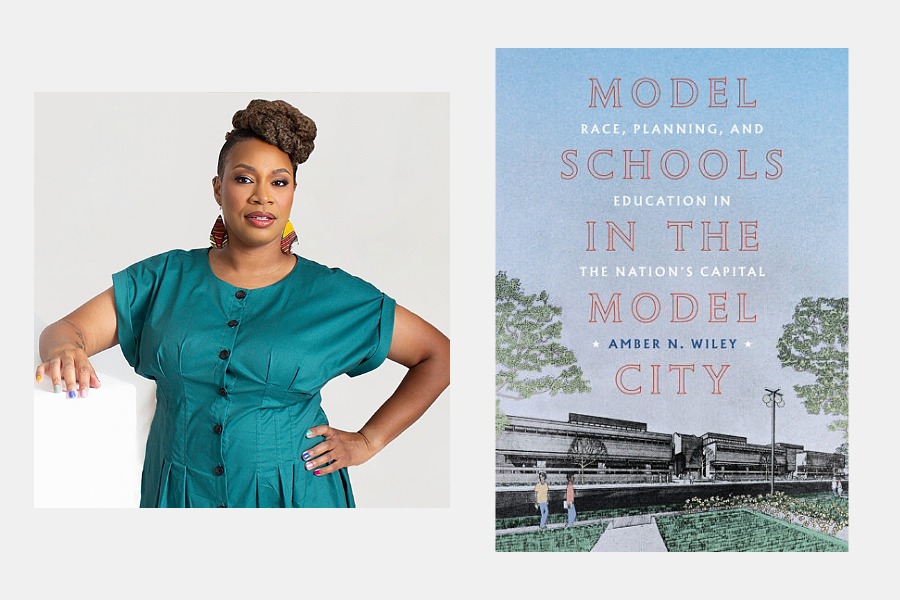
Christopher C. Gibbs College of Architecture professor and Institute for Quality Communities Director Dr. Amber N. Wiley’s book, Model Schools in the Model City: Race, Planning, and Education in the Nation’s Capital, has received two major honors from the Urban History Association.