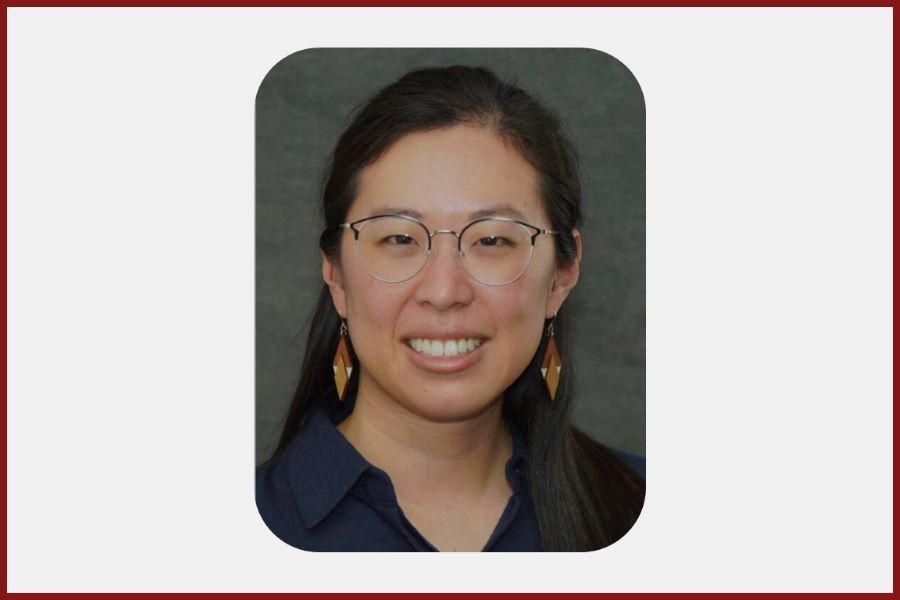
Dr. C. Aujean Lee, an Assistant Professor in the Regional + City Planning Department, recently co-authored the article, “Fintech’s relationship with subprime lending in immigrant gateway metropolitan areas,” in the Journal of Urban Affairs. Dr. Lee and her collaborator Tyler Haupert looked at the all-online mortgage loan application process known as fintech loans and found that immigrant gateways are associated with higher rates of subprime lending than areas with low rates of immigration.
The study suggests that metropolitan and tract-level racial and ethnic patterns remain key factors in shaping subprime lending rates in a rapidly evolving mortgage credit market. These findings highlight the continuing importance of race and ethnicity in lending and the need for monitoring discrimination in evolving financial technology.
Read the full article in the Journal of Urban Affairs. Congratulations to Dr. Lee on her publication!
Abstract
Financial technology lending (fintech) is a subset of the mortgage industry characterized by all-online application processes and the inclusion of non-traditional applicant data in underwriting decisions. While national studies suggest that fintech lenders mimic traditional lenders and distribute subprime loans to minority borrowers and neighborhoods at higher rates than to white borrowers and neighborhoods, these studies exclude regional differences by race/ethnicity and nativity. We assess variation in neighborhood-level fintech and traditional subprime lending rates across immigrant gateway metropolitan areas. Using Home Mortgage Disclosure Act (HMDA) data, we find that immigrant gateways are associated with higher rates of subprime lending than metropolitan areas with low rates of immigration. Results suggest that neighborhood-level composition of Asian and Latinx residents mediate the relationship between subprime lending and immigrant gateways in distinct ways depending on lender type. Findings suggest metropolitan and tract-level racial and ethnic patterns remain key factors in shaping subprime lending rates in a rapidly evolving mortgage credit market.
Construction Industry Speaker Series welcomed Stephen Evans from the Oklahoma City National Memorial & Museum to give a lecture on better conversations and relationship building.
The University of Oklahoma Christopher C. Gibbs College of Architecture Hall of Fame recognizes a select number of high-character individuals who have made a significant and lasting positive impact on Gibbs College, its students, staff, faculty, alumni and/or to communities across the globe. The impact may have been, or continues to be, in the form of service and mentorship, sustained professional excellence, and/or advancement and financial support. Joseph Edgar Smay is part of the 2025 Hall of Fame class.
Christopher C. Gibbs College of Architecture congratulates three architecture students who were recognized in the 2026 AIA Dallas Student Design Awards.