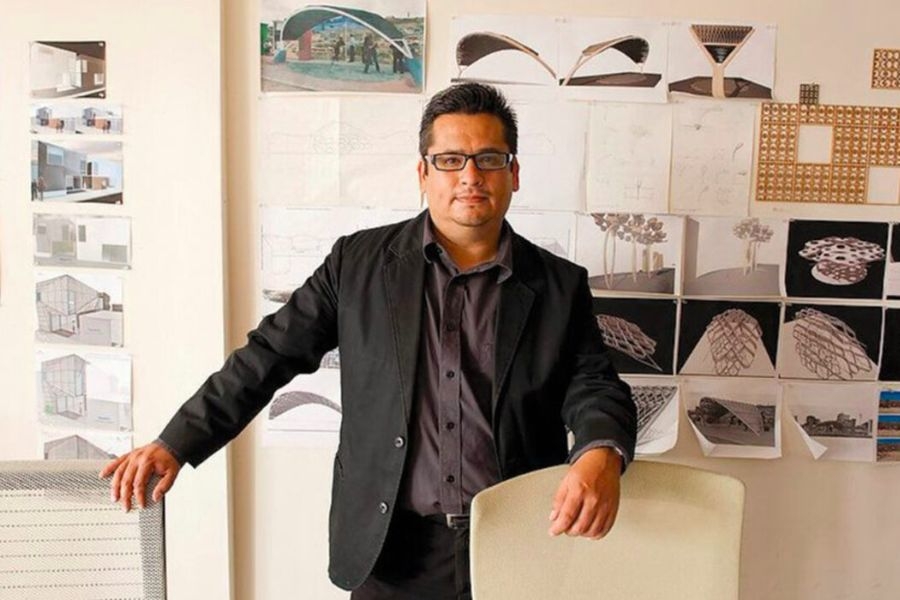
René Peralta, a lecturer for the Division of Architecture, recently presented at the Nature of Cities Festival. The festival is a virtual event spanning three days with programming across all regional time zones and is provided in multiple languages. A core philosophy of the festival is to foster inclusivity and lower barriers to participation. The festival focuses on facilitating transdisciplinary dialogue, small group workshops, arts engagement, and fostering a collaborative spirit around solutions for how to build cities that are better for nature and all people.
The session at which René presented aimed to create a dialogue between people who have worked on action plans in the cities of Lima and Tijuana and learn about the common strategies that help make these cities more biodiverse and resilient. The session also sought to evaluate previously used strategies and document cities built under particular social, environmental, and cultural characteristics and how other contexts might learn from these experiences.
The session included two groups: a group of landscape architects and biologists currently developing a strategy focused on urban biodiversity, ecosystem services, and action plans in the Metropolitan Area of Lima and a second group of biologists and architectural experts in developing environmental local action plans in Tijuana.
Lima and Tijuana are both Latin-American cities in arid regions. They have low precipitation and low diversity in trees. Although Tijuana is a hot spot of high biodiversity, both cities are threatened by urbanization. Furthermore, the cities share a social problem, informal growth due to migration.
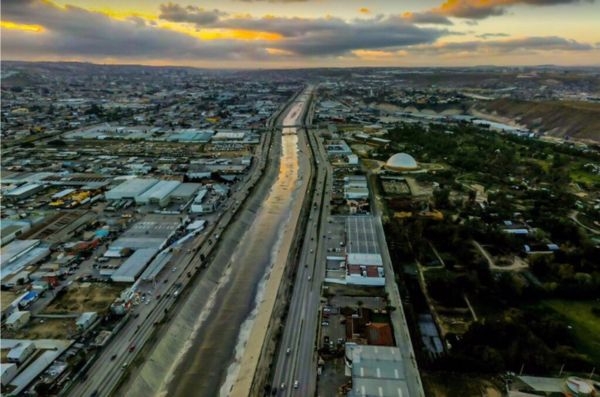
Photo credit: Stefan Falke
Both cities have imported visions of the landscape from North America, City Beautiful Vision, and European colonial perceptions of how a city "should be planned." International standards related to public health and recreation always recommend green public spaces such as parks, some of the most critical public areas in a city, not just for recreation but for building resilient cities towards an environmental agenda encompassing biodiversity and climate change. These challenges need to be addressed from a local context with a biophysical challenge.
René Peralta has conducted important research on both cities. During this session, he presented the infrastructural system and the effort it takes to get water from the Colorado River to the city of Tijuana. He concluded with a diagnosis of the Alamar River, the last urban waterway in the city still in its natural state, and strategies to control flooding in more sustainable ways besides constructing concrete channels.
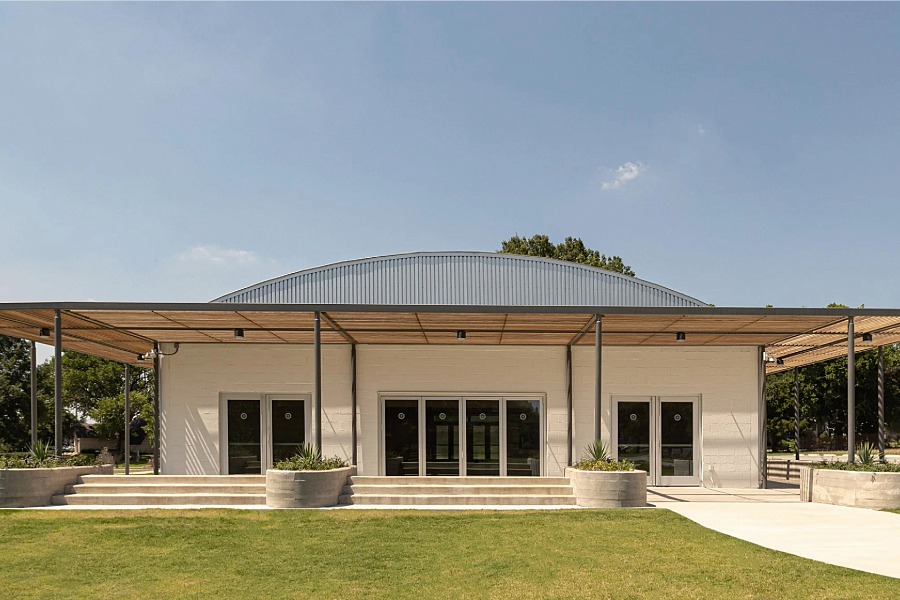
Christopher C. Gibbs College of Architecture assistant professor Amy Leveno and Mark Leveno, co-founders of OFFICIAL Design, have received a 2026 AIA Central States Region Design Award for the firm’s Granger Annex Community Center project in Garland, Texas.
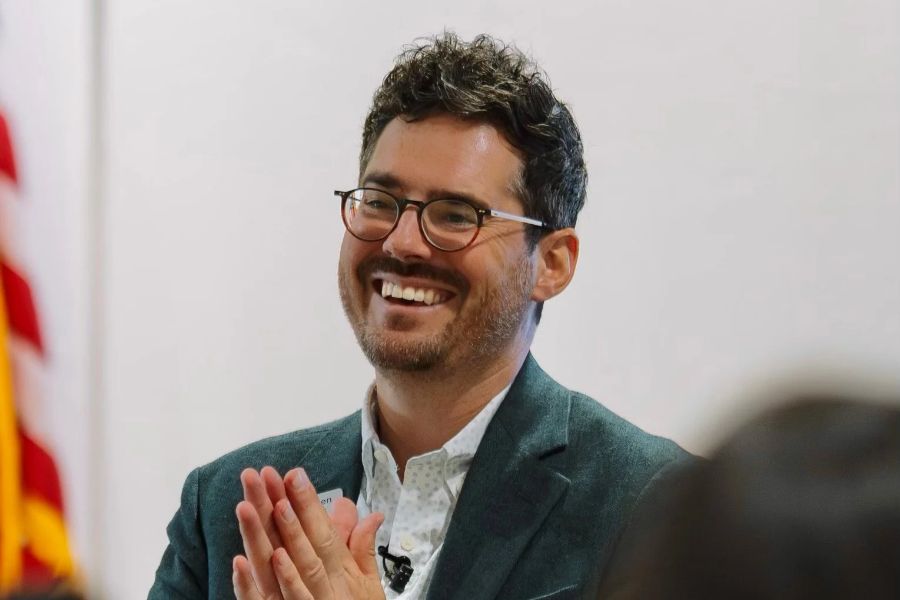
Construction Industry Speaker Series welcomed Stephen Evans from the Oklahoma City National Memorial & Museum to give a lecture on better conversations and relationship building.
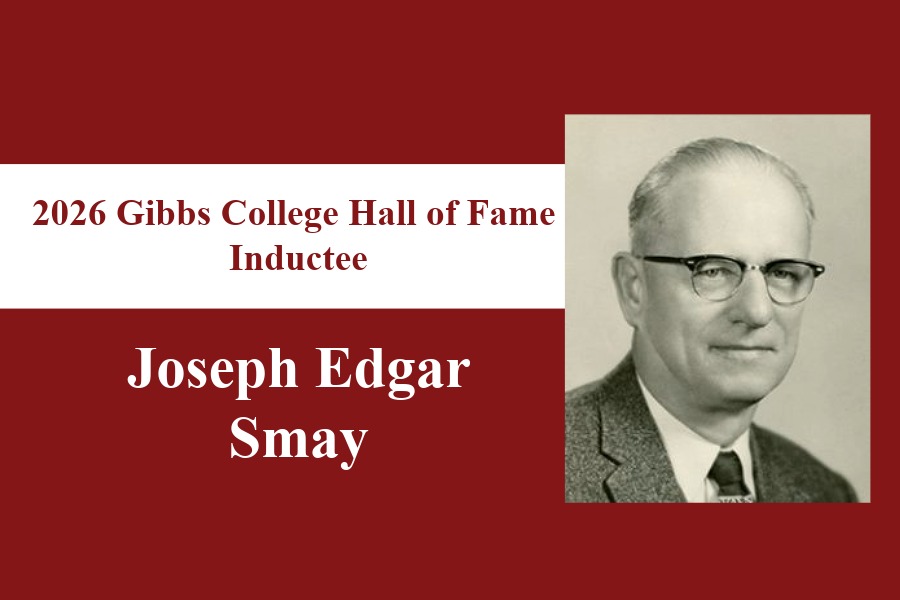
The University of Oklahoma Christopher C. Gibbs College of Architecture Hall of Fame recognizes a select number of high-character individuals who have made a significant and lasting positive impact on Gibbs College, its students, staff, faculty, alumni and/or to communities across the globe. The impact may have been, or continues to be, in the form of service and mentorship, sustained professional excellence, and/or advancement and financial support. Joseph Edgar Smay is part of the 2025 Hall of Fame class.