Dr. Bryce Lowery, an associate professor with the Division of Regional + City Planning, is currently working with a team from the OU Health Sciences Center to develop research proposals concerning the future of public policy surrounding medical marijuana in the state of Oklahoma. He will also be teaching a course in the spring on the same topic.
Dr. Lowery is applying his interest and expertise in how the built environment influences public health to understand the dynamic medical marijuana industry in Oklahoma.
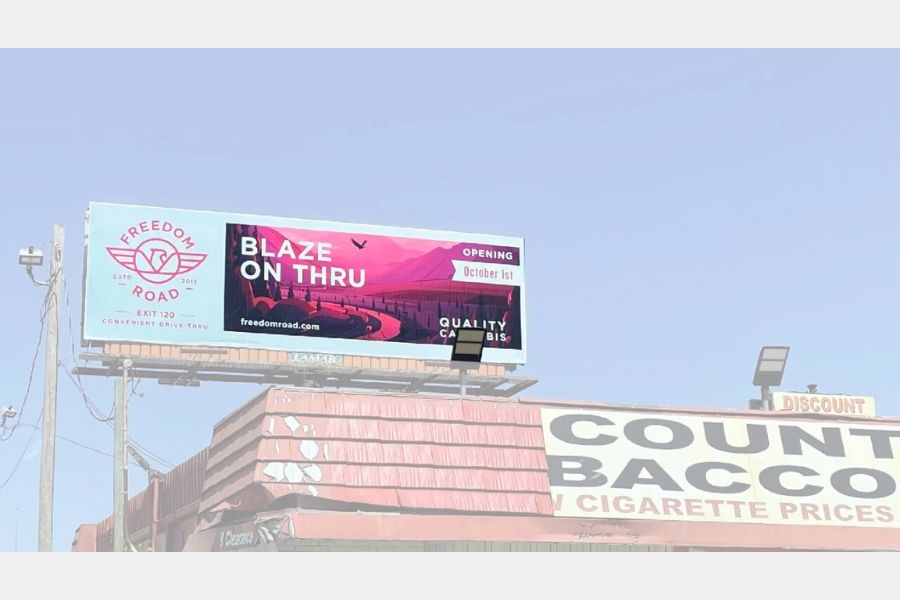
The Oklahoma medical marijuana industry has grown quickly over the past few years since it was legalized for medical use in 2018. Unlike many states, the Oklahoma medical marijuana program does not specify what medical conditions are required to use medical marijuana and licensing fees are small, which has allowed for a significant amount of flexibility and an explosion in the number of dispensaries and advertising for medical marijuana products.
Marijuana is interesting from the perspective of public policy because despite problems associated with misuse it is increasingly seen as part of therapies for treating some illnesses. While the potential for harm exists, particularly among children and those already prone to addiction to other substances, cannabinoids derived from marijuana may be therapeutic for some conditions such as epilepsy, and use encourages eating in patients with cancer and other terminal illnesses.
These potential benefits merit increased public discussion and policies that can help to support the good and curtail the bad that comes with medical marijuana. There is a need for regulation moving forward, and planning professionals like Dr. Lowery hope to play a role.
Deciding where it is appropriate for dispensaries and advertisements for dispensaries to be present is just one aspect of the policy decisions that surround the medical marijuana industry in Oklahoma. There is also the issue of taxation and licensing – how can the public of Oklahoma benefit from medical marijuana revenues? How can Oklahoma balance fostering this budding industry with ensuring the state benefits through taxes that fund amenities like public parks, playgrounds, and improvements to infrastructure? These questions along with others can be better answered with more research, including Dr. Lowery’s research.
Because Oklahoma has become a hotspot for the medical marijuana industry, it will likely set an example for other states that may legalize medical use in the future. It is incredibly important that planners and designers play a role in the future of medical marijuana policy.
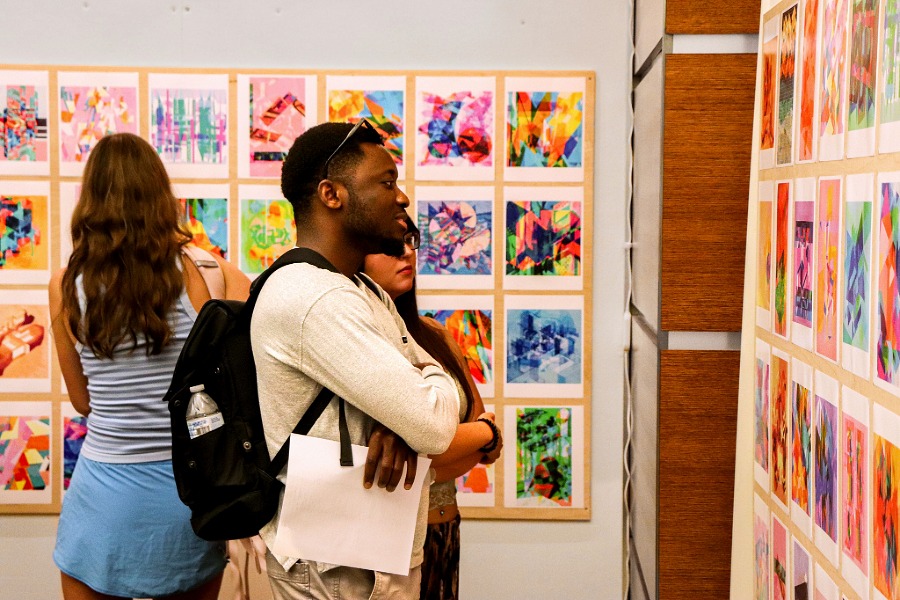
Gibbs College is pleased to present the exhibition 200 Digital Drawings by Professor Tiziana Proietti, currently on display in the Gould Hall Living Room.
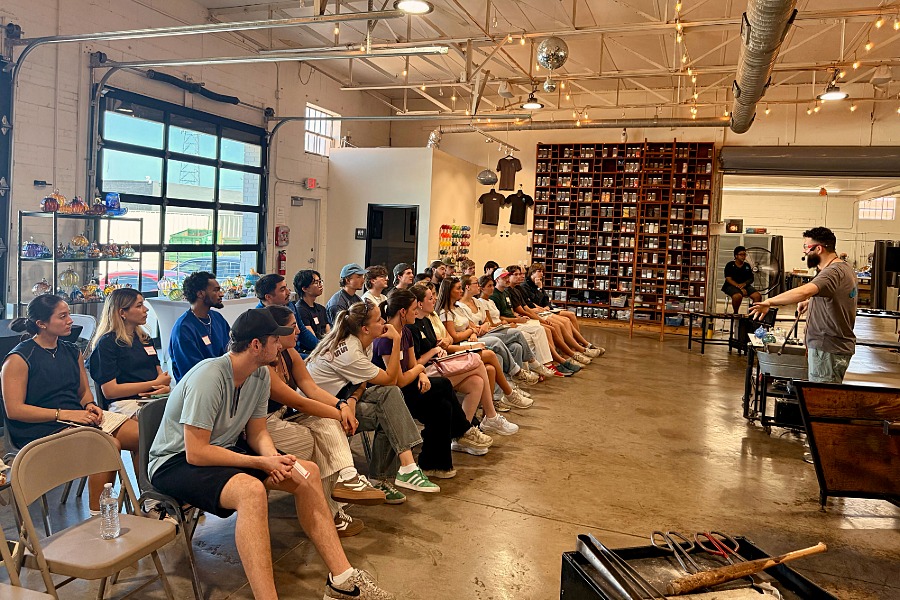
Gibbs College of Architecture Professors Amber Brown and Amy Leveno led 29 students to Dallas, Texas, in September for a learning experience as part of their Design 7 Studio course.
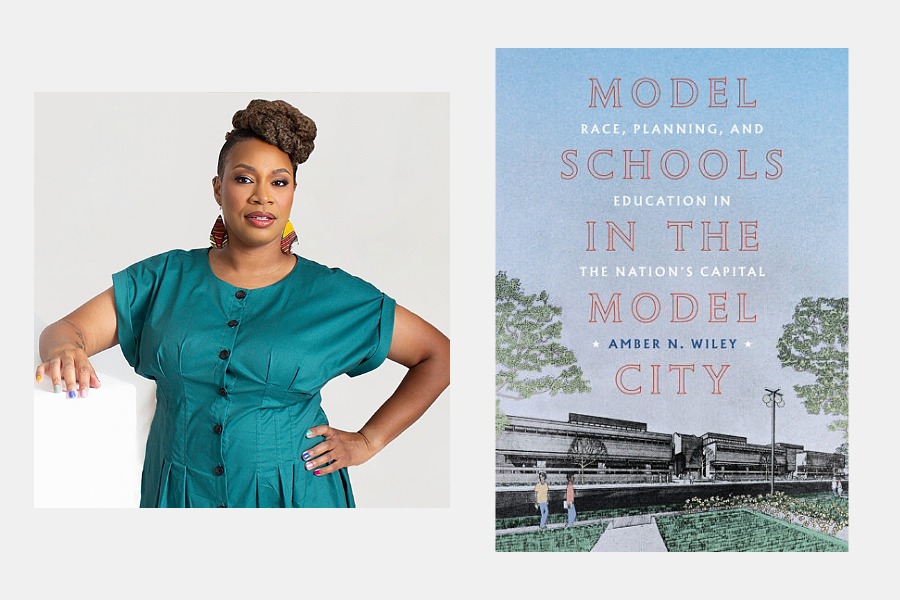
Christopher C. Gibbs College of Architecture professor and Institute for Quality Communities Director Dr. Amber N. Wiley’s book, Model Schools in the Model City: Race, Planning, and Education in the Nation’s Capital, has received two major honors from the Urban History Association.