Date
Poetic Justice is a non-profit organization based in Tulsa that facilitates creative writing and art classes for incarcerated women. Poetic Justice “seeks to rewrite the narrative about women who are incarcerated by equipping them with tools for healing from trauma, showing the world their inherent worth, that they may be agents of change.” Ellen Stackable founded Poetic Justice in 2014 as a way to create a safe space for people in Tulsa County Jail. Poetic Justice now operates in every women’s prison in Oklahoma.
Poetic Justice courses last six to eight weeks. In the courses, volunteers meet with incarcerated people twice a week to facilitate creative writing. The women involved produce poems, which are published in a collection at the end of each course. These courses offer incarcerated women an opportunity to create a safe space through therapeutic and restorative writing.
You can volunteer with Poetic Justice to ensure programming continues. The current call for volunteers is for their Distance Learning Winter Retreat Session (Nov. 15, 2020 to Jan. 16, 2021). If interested, please fill out their volunteer form here.
Gibbs College is pleased to present the exhibition 200 Digital Drawings by Professor Tiziana Proietti, currently on display in the Gould Hall Living Room.
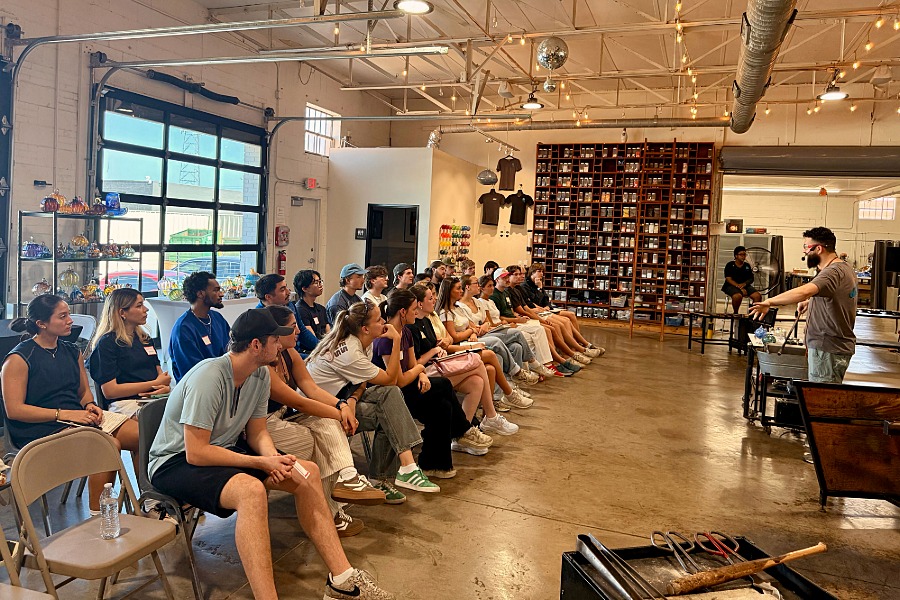
Gibbs College of Architecture Professors Amber Brown and Amy Leveno led 29 students to Dallas, Texas, in September for a learning experience as part of their Design 7 Studio course.
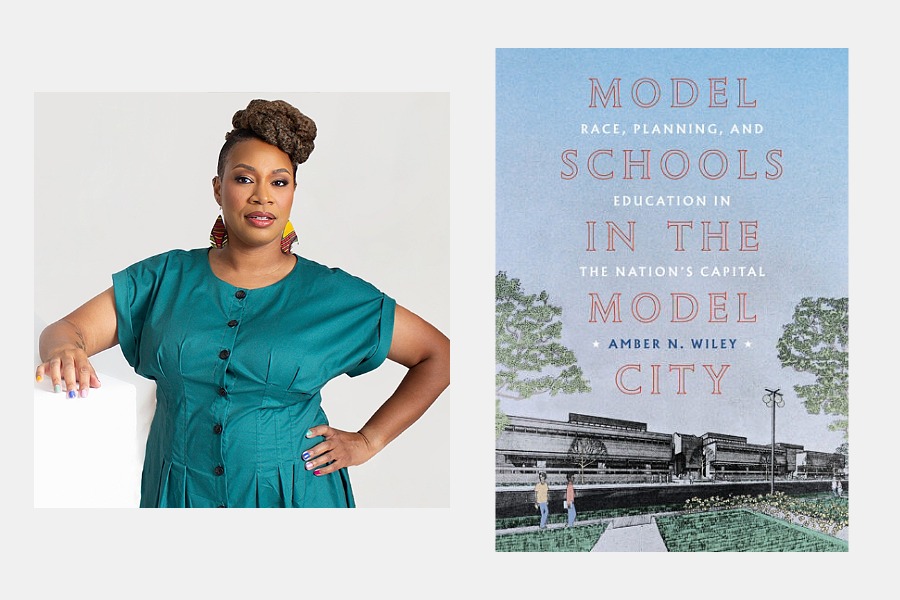
Christopher C. Gibbs College of Architecture professor and Institute for Quality Communities Director Dr. Amber N. Wiley’s book, Model Schools in the Model City: Race, Planning, and Education in the Nation’s Capital, has received two major honors from the Urban History Association.