Assistant Professor of Landscape Architecture at Gibbs College of Architecture, Sarah Little, has released her co-edited handbook, The Routledge Handbook for Designing Public Spaces for Young People: Processes, Practices, and Policies for Youth Inclusion. The product of four years of effort, this handbook focuses on the inclusion of youth in the policy, planning, and design of the public realm.
From the publisher:
“The Routledge Handbook of Designing Public Spaces for Young People is a thorough and practical resource for all who wish to influence policy and design decisions in order to increase young people’s access to and use of public spaces, as well as their role in design and decision-making processes.
“The ability of youth to freely enjoy public spaces, and to develop a sense of belonging and attachment to these environments, is critical for their physical, social, cognitive, and emotional development. Young people represent a vital citizen group with legitimate rights to occupy and shape their public environments, yet they are often driven out of public places by adult users, restrictive bylaws, or hostile designs. It is also important that children and youth have the opportunity to genuinely participate in the planning of public spaces, and to have their needs considered in the design of the public realm.
“This book provides both evidence and tools to help effectively advocate for more youth-inclusive public environments, as well as integrate youth directly into both research and design processes related to the public realm. It is essential reading for researchers, design and planning professionals, community leaders, and youth advocates.”
Gibbs College is pleased to present the exhibition 200 Digital Drawings by Professor Tiziana Proietti, currently on display in the Gould Hall Living Room.
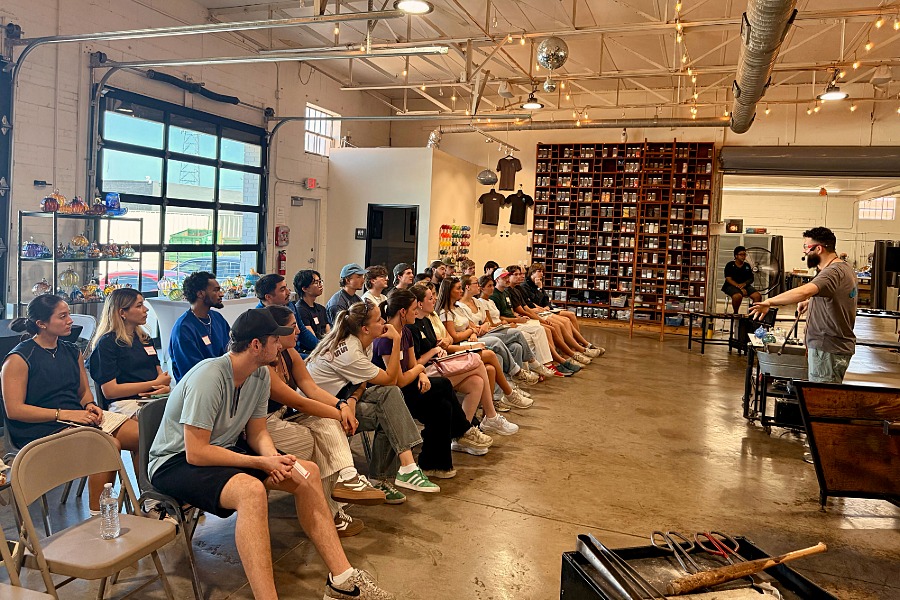
Gibbs College of Architecture Professors Amber Brown and Amy Leveno led 29 students to Dallas, Texas, in September for a learning experience as part of their Design 7 Studio course.
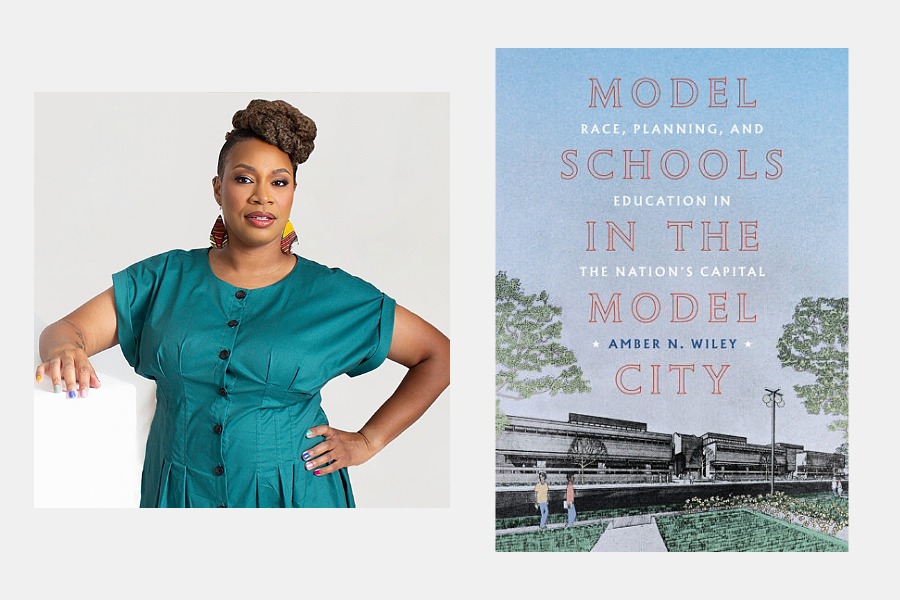
Christopher C. Gibbs College of Architecture professor and Institute for Quality Communities Director Dr. Amber N. Wiley’s book, Model Schools in the Model City: Race, Planning, and Education in the Nation’s Capital, has received two major honors from the Urban History Association.