Associate professor of Regional + City Planning John Harris, along with Grace Acan and Evelyn Amony from the Women’s Advocacy Network, and Lupe Davidson of the University of West Virginia, recently published the article, “How formerly abducted women in post-conflict situations are reasserting their humanity in a hostile environment: Photovoice evidence from northern Uganda.”
Their research appears in a special issue of Gender and Development that explores humanitarian action and crisis responses. The article presents the work of 13 co-researchers and explores the long-term needs they identified among formerly abducted women in conflict zones.
It also explores how the women’s experiences with abduction continues to erode the recognition of their humanity, both in terms of how they are perceived by their communities and how they view themselves, as well as how they are individually and collectively working to reassert their place in the moral universe.
Featured image: Betty Scovia. “This picture shows me farming. I went to many Women’s Advocacy Network trainings on ways to support myself. I realised that farming was the best way to support myself because if you are not educated you can farm. Because I was abducted I could not finish school. Here I am harvesting groundnuts (peanuts).”
Gibbs College is pleased to present the exhibition 200 Digital Drawings by Professor Tiziana Proietti, currently on display in the Gould Hall Living Room.
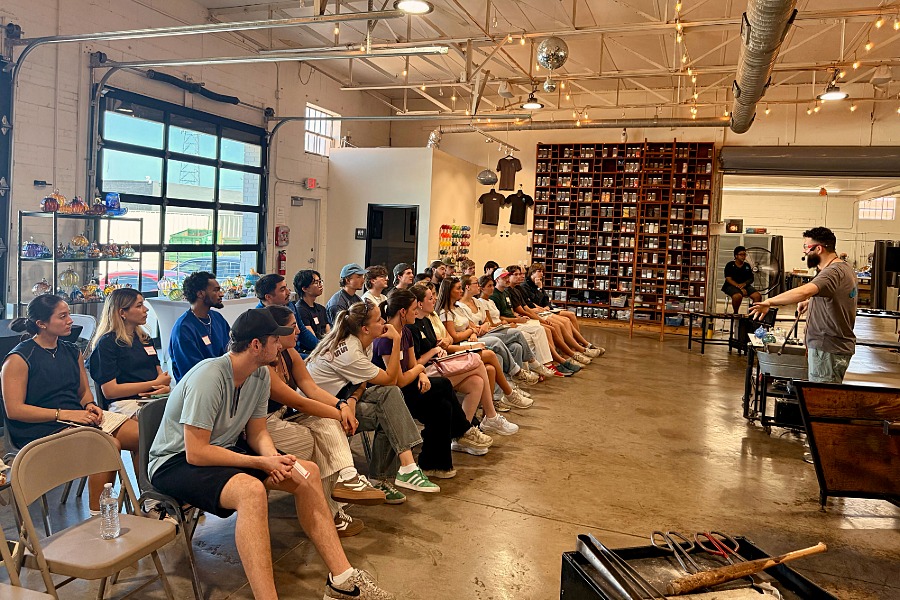
Gibbs College of Architecture Professors Amber Brown and Amy Leveno led 29 students to Dallas, Texas, in September for a learning experience as part of their Design 7 Studio course.
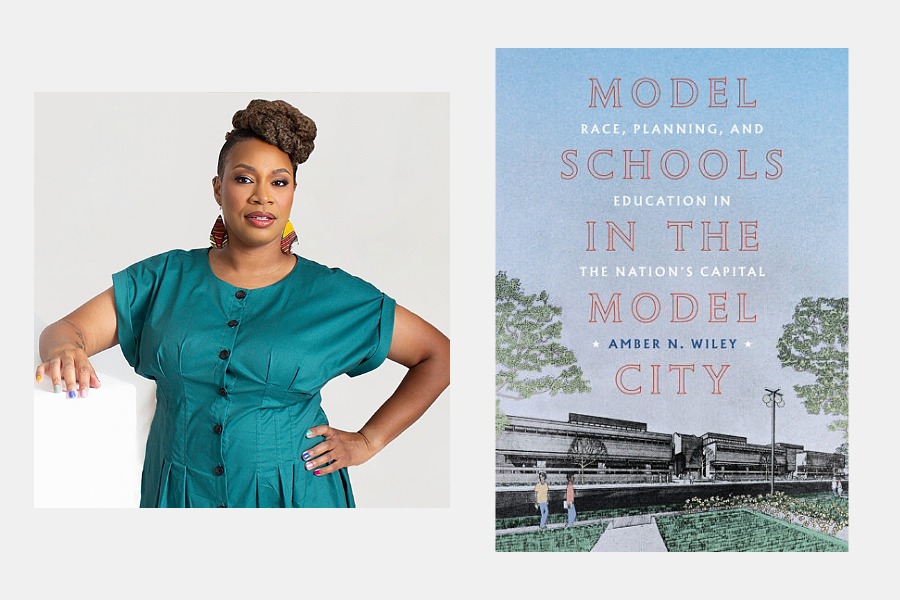
Christopher C. Gibbs College of Architecture professor and Institute for Quality Communities Director Dr. Amber N. Wiley’s book, Model Schools in the Model City: Race, Planning, and Education in the Nation’s Capital, has received two major honors from the Urban History Association.