
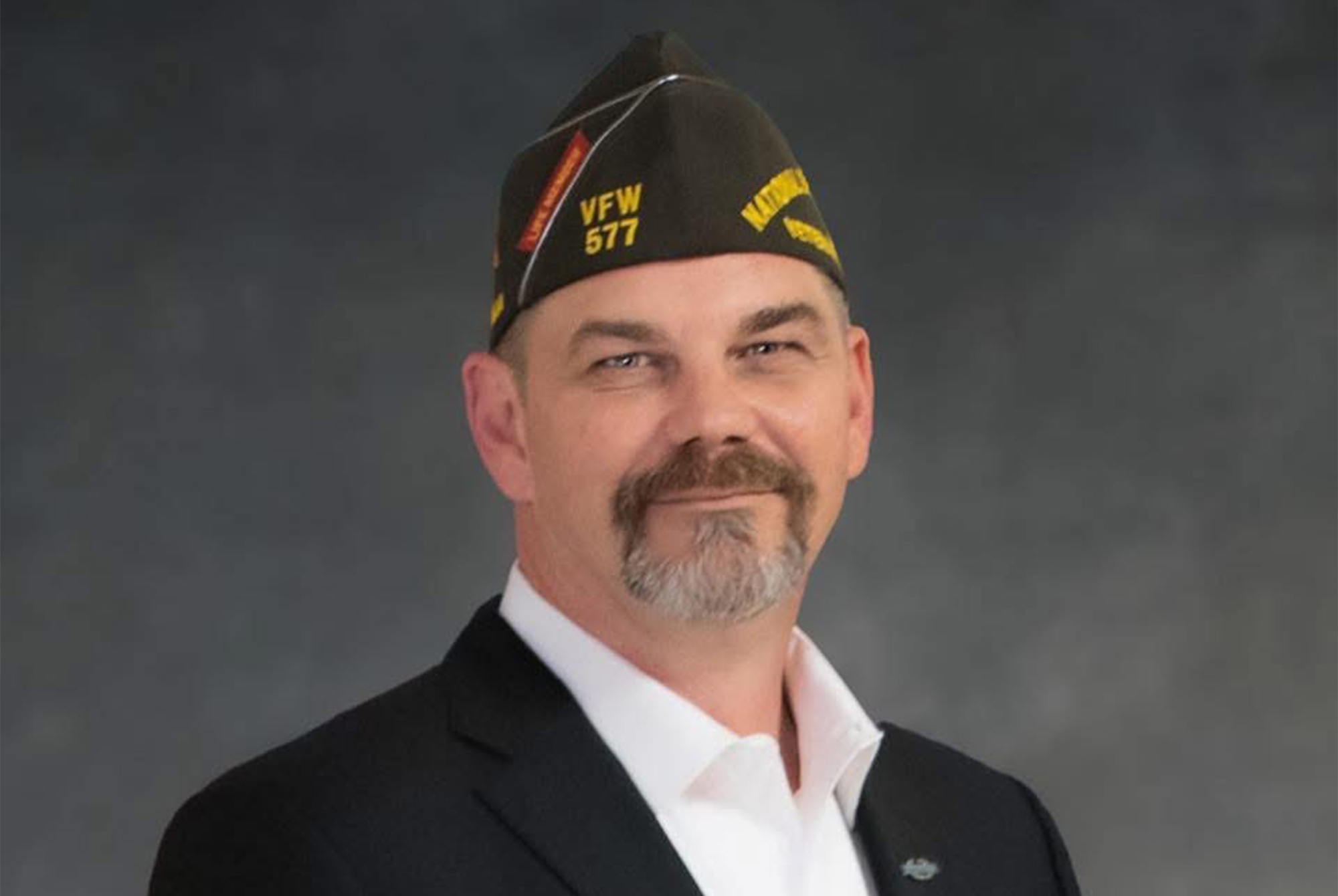


Joshua Starks
Social Work, Class of 2027
From Tulsa, Oklahoma


Meet Joshua Starks, an OU-Tulsa social work student and 10-year veteran of the Oklahoma National Guard. Driven by a deep desire to serve, Joshua began his journey by joining the military after the Sept. 11, 2001, attacks. After retiring from service, his commitment to helping others grew. He became actively involved in supporting veteran organizations in his community. This work would ultimately lead to his recognition during a Senate hearing in Washington, D.C. Upon making the decision to continue his education, Joshua quickly chose OU-Tulsa’s social work program for its strong reputation and commitment to service.
The inspiration to join the military came from my family. Both my parents met and were married while serving in the U.S. Army, my grandfathers and great grandfathers had served as well. When I turned eighteen, I considered the military but went to trade school instead. I worked for Boeing building Boeing 747s, Boeing 737s, the International Space Station and numerous government programs. When the attacks on Sept. 11th, 2001, occurred, I felt a responsibility to serve in defense of the new enemy we faced.

Once I separated from the military, I was having a difficult time readjusting to civilian life. I started going to the Tulsa Veterans of Foreign Wars Post 577 and found other veterans of World War II, Vietnam, and the Gulf War; they were able to help me find my path after service. Volunteering there, I saw numerous Vietnam War veterans coming for help with benefits that had been denied by the Department of Veteran Affairs (VA) from exposure to Agent Orange 50 years earlier. I was frustrated and worried my generation would be facing the same challenges when applying for their earned benefits. Watching so many I served with commit suicide; I decided that I was going to be an advocate for my fellow service members.

After separating from the Oklahoma National Guard, I wanted to serve other veterans. I volunteered and led many Veterans initiatives in Tulsa. I served the City of Tulsa Human Rights Commission, commander of the Veterans of Foreign Wars Post 577 in Tulsa, and organized the Tulsa Veterans' Day Parade. In all those experiences, I found that I wanted more training and knowledge to assist Veterans as well as the credentials to speak about making changes to the systems we rely on.
I researched the educational institutions that provided a social work program and found OU Tulsa’s program both focused and highly regarded. I spoke with numerous Licensed Clinical Social Workers I had been working with helping Veterans and they recommended I try applying to OU-Tulsa.

Hearing my story read aloud in congressional testimony and realizing that the National Commander of the Veterans of Foreign Wars was utilizing my path to request expansion of therapies offered was amazing. It felt as though my struggles were validated in that they would help others on their path back home after war.

My hope is that my advocacy will create a path for future veterans to return from war with a system that has a broad range of therapies and treatments available. Knowing that each veteran’s experiences and struggles are different, I believe we should have a much wider selection of options. Additionally, I would like to see my work result in training service members before exiting service to ensure they have a warm handoff to outside agencies to proactively assist them in reintegrating back into society.

Don’t hesitate! If a veteran has educational benefits, utilize them and enroll. If you know what you want to do, go for it. If you are still searching for your path, going back to school and utilizing the resources there to find your path forward is still moving forward. Come to speak with the department associate directors. Ask any questions you have and really understand the program you are wanting to enroll in. My conversation with the leaders at OU-Tulsa really prepared me for success.
