NEWS


TULSA, Okla. – The National Institutes of Health (NIH) announced today that it has selected the University of Oklahoma as a winning institution for its Nutrition Education Challenge. The federal competition recognizes exemplary approaches to nutrition education for medical and nursing professionals, and has awarded $75,000 to the OU Culinary Medicine Program, a hallmark of the OU School of Community Medicine in Tulsa’s approach to medical education.
According to the NIH, diet-related chronic diseases are responsible for more than half of deaths in the United States, killing an estimated 1.5 million Americans each year. The U.S. also spends more than $1.1 trillion annually to treat these conditions.
These statistics show why up-to-date, evidence-based nutrition training for healthcare providers is critical for improving community health.
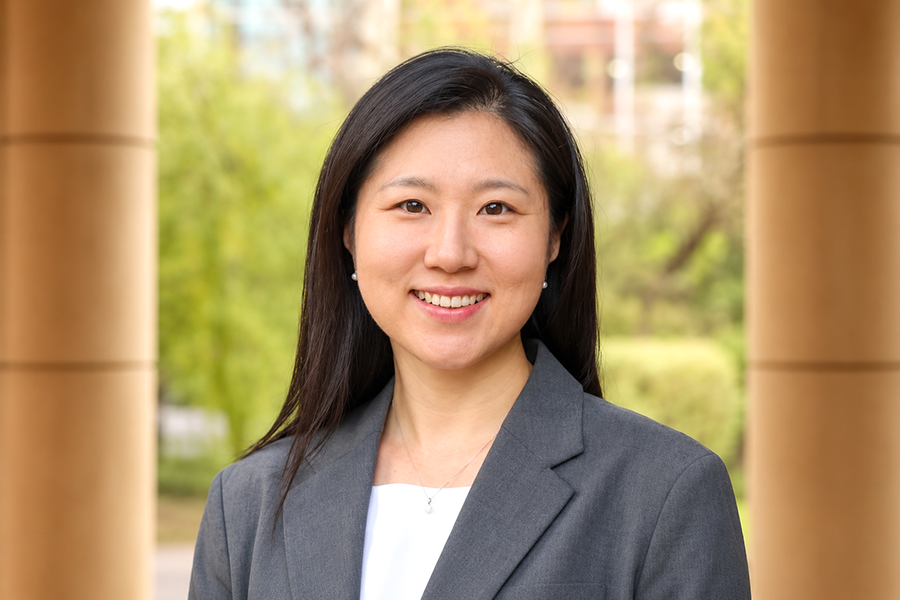
Marianna Wetherill, Ph.D., MPH, RDN/LD, DipACLM, the George Kaiser Family Foundation Chair in Population Healthcare and associate director for the OU Culinary Medicine Program, highlighted the School of Community Medicine’s clear vision for the curriculum that first launched in 2018. At the time, it made the medical school one of the first in the nation requiring culinary medicine for medical and physician assistant student learners.
“Food profoundly shapes health in so many ways,” Wetherill said. “We recognized early on that if we wanted to improve Oklahoma’s health outcomes at scale, we needed to first prepare future healthcare professionals to have real conversations about food with patients. Today, the NIH has recognized us for this longstanding commitment.”
The OU Culinary Medicine Program prepares learners to implement and prescribe low-cost, whole food nutrition prescriptions that are used to manage chronic health conditions, including diabetes, hypertension, heart disease and cancer. Training first begins with understanding how issues such as food insecurity and community food access can impact personal food choices and health outcomes.
Students then learn how to create healthy, tasty and affordable meals at the school’s on-campus Teaching Kitchen. The curriculum features four core nutrition prescriptions: fruits and vegetables, lean plant proteins, intact whole grains, and nuts and seeds, all key components of dietary patterns that protect against chronic disease. During their clinical training, students apply these skills by providing patients with nutrition counseling and prescribing them real food that they can take home.
“It’s very rewarding when students share how they’ve started to implement concepts from class in their own lives,” Wetherill said. “When future providers experience the benefits of healthy eating firsthand, they're better equipped to connect with patients when prescribing food as medicine.”
A central part of the OU Culinary Medicine Program’s work is its local partnerships and collaborations. The teaching clinic features a food pharmacy established with the Food Bank of Eastern Oklahoma, distributing healthy foodstuffs to patients. It has also worked to design, implement and advance local and regional nutrition-related initiatives with organizations such as Hunger Free Oklahoma, Tulsa CARES, Sunflower Foundation: Health Care for Kansans, Iron Gate Tulsa, and Women in Recovery, a program of Family & Children’s Services.
With nearly a decade of program development and experience, the School of Community Medicine has been an early trailblazer in the ‘Food is Medicine’ approach that integrates medically tailored meals, groceries and produce prescriptions as part of a patient’s medical treatment plan.
“‘Food is Medicine’ is transforming how healthcare organizations, providers and patients approach the management and treatment of chronic disease,” Wetherill said. “We're proud that our program has helped advance this movement through education, clinical innovation and community-based collaborations. But there’s still a lot of work to be done and we look forward to expanding our impact through additional local, regional and national partnerships.”

About the University of Oklahoma
Founded in 1890, the University of Oklahoma is a public research university located in Norman, Oklahoma. As the state’s flagship university, OU serves the educational, cultural, economic and healthcare needs of the state, region and nation. For more information about the university, visit www.ou.edu.
Five distinguished leaders with ties to the University of Oklahoma were recently inducted into the Oklahoma Hall of Fame. Induction into the Oklahoma Hall of Fame is considered the state’s highest honor, recognizing exceptional Oklahomans whose achievements have helped shape the state and nation.
As Oklahoma communities weigh new data center development, research co-authored by a University of Oklahoma architecture professor offers insight into what draws major technology companies to locations – and why those choices matter locally.
The University of Oklahoma launched a Master of Fine Arts in Media Arts this fall for graduate students pursuing careers in commercial publishing and creative media production, including film, television, podcasting and short-form video.