NEWS


TULSA, Okla. — The University of Oklahoma Polytechnic Institute (OUPI) has received a $1 million grant from Google to launch the OUPI Cybersecurity Clinic, a new initiative that will expand access to cybersecurity services while creating hands-on learning opportunities for students.
The clinic, housed at OUPI, will focus primarily on conducting cybersecurity risk assessments for small manufacturers, nonprofit organizations and tribal businesses. Through faculty-supervised engagements, students will work directly with organizations to identify risks, evaluate vulnerabilities and deliver practical, prioritized recommendations to improve resilience.
Cybersecurity clinics at colleges and universities provide real-world training for students while delivering community-focused cybersecurity support, similar to the clinic model used in law and medicine.
“This grant positions OUPI to serve Oklahoma, particularly the Tulsa and Northeastern Oklahoma region, in a meaningful and practical way,” said Teri Reed, Ph.D., director of OUPI. “By launching the OUPI Cybersecurity Clinic, we can expand student learning opportunities while providing much-needed cybersecurity support to small manufacturers, nonprofit organizations, and tribal businesses that are vital to our communities and economy.”
The clinic’s service model is designed for organizations facing growing cyber risk that may not have dedicated cybersecurity staff or access to formal assessment services. OUPI’s clinic will emphasize clear communication and recommendations tailored to each organization’s size, mission and operational capacity.
“Our clinic is designed to meet a real and urgent need in Oklahoma,” said Christopher Freeze, Ph.D., director of the OUPI Cybersecurity Clinic. “Many small manufacturers, nonprofits and tribal businesses face growing cyber threats but often lack the resources for formal assessments. This clinic will provide high-quality, faculty-supervised risk assessments while preparing students to communicate clearly with clients and deliver guidance they can actually use.”
In addition to supporting local organizations, the clinic will serve as an experiential learning environment for OUPI students, helping them build technical, analytical and client-facing skills in a real-world setting.
“This clinic creates a powerful bridge between classroom learning and workforce readiness,” Freeze said. “Students will learn to assess risk, translate technical findings into business terms and help organizations prioritize next steps.”
“Cybersecurity is no longer just an IT issue—it is a business continuity and community resilience issue,” Reed said. “By focusing on small manufacturers, nonprofits and tribal businesses, OUPI is investing in the security of organizations that support jobs, services and long-term economic stability across our region.”
Individuals interested in learning more about the Cybersecurity Clinic can contact Freeze at christopher.freeze@ou.edu.
About the University of Oklahoma
Founded in 1890, the University of Oklahoma is a public research university located in Norman, Oklahoma. As the state’s flagship university, OU serves the educational, cultural, economic and health care needs of the state, region and nation. For more information about the university, visit www.ou.edu.
The University of Oklahoma College of Medicine has honored two residents with the Lloyd Rader Award, which recognizes outstanding clinical and research achievements in residency.
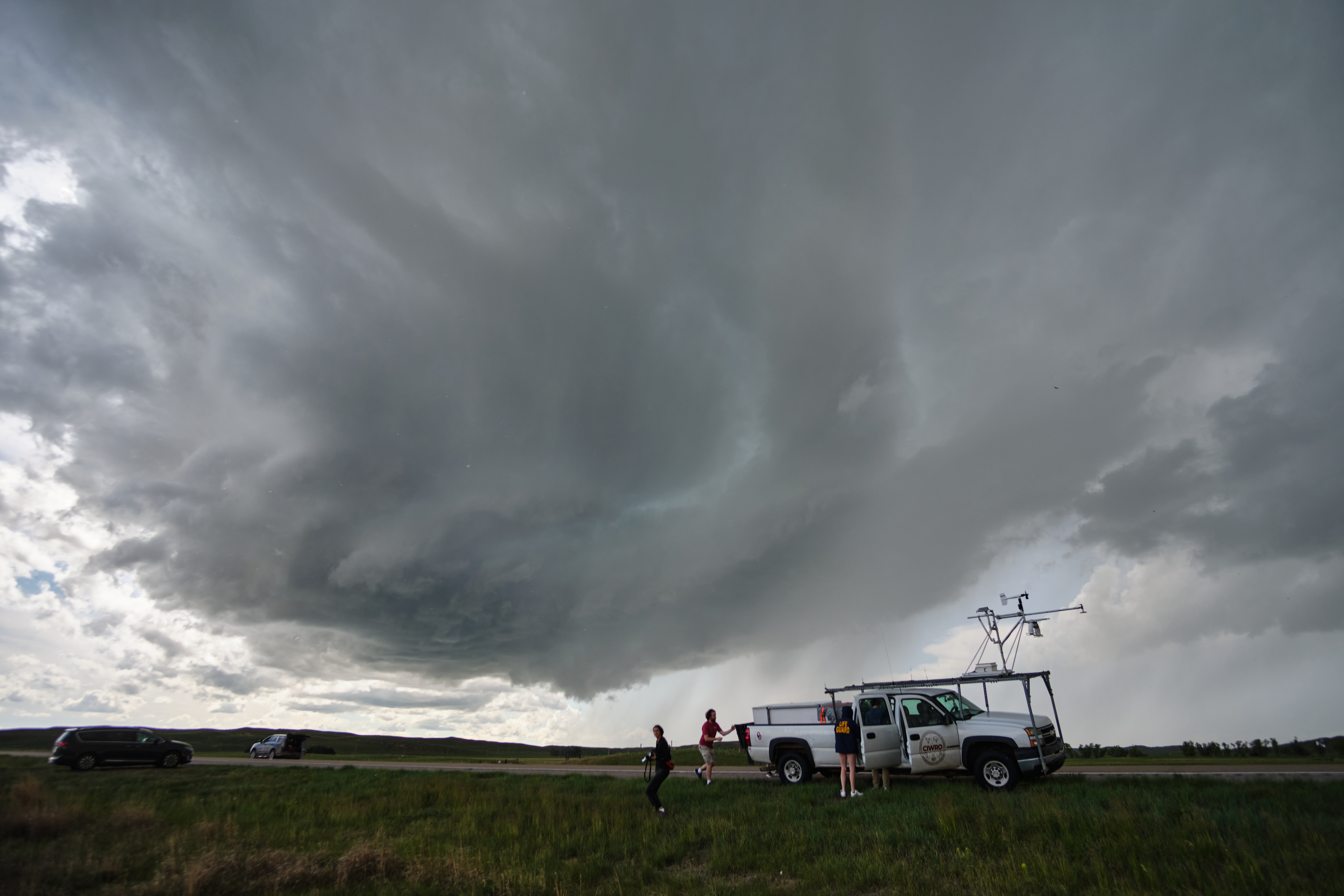
The University of Oklahoma will receive up to $220 million over five years from the U.S. Department of Commerce and the National Oceanic and Atmospheric Administration to continue the life-saving weather research led by the OU-NOAA Cooperative Institute for Severe and High-Impact Weather Research and Operations, extending a nearly 50-year partnership that has helped give Americans earlier, more accurate weather warnings
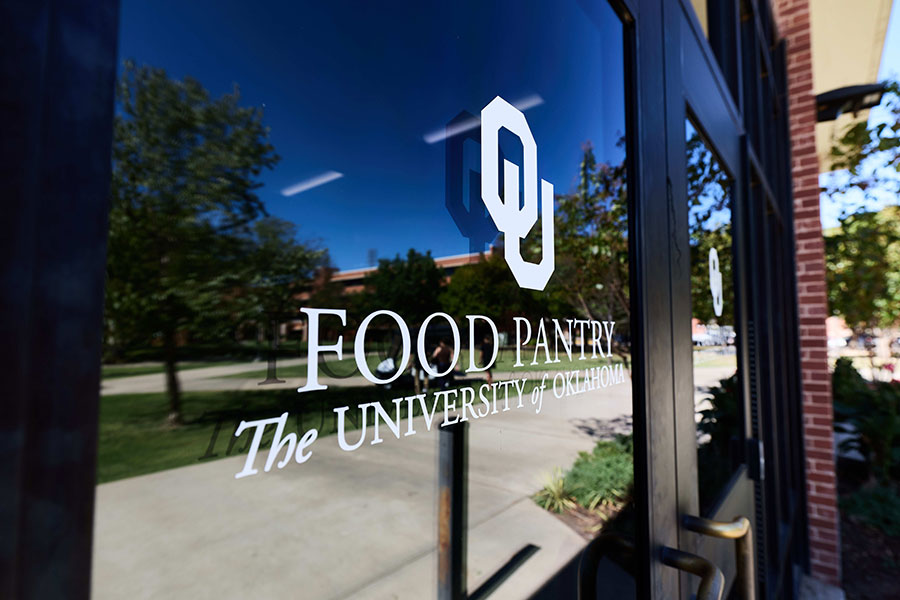
The OU Food Pantry won the annual Red River Food Fight, collecting 31,815.9 pounds of shelf-stable food and drinks to top UT Outpost’s 22,567 pounds. OU has won the competition four years in a row.