NEWS

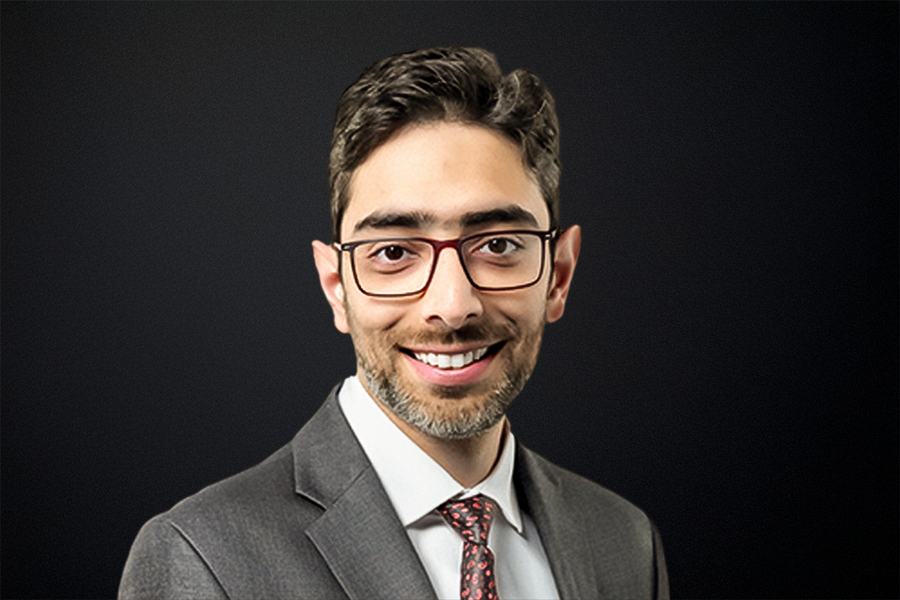
OKLAHOMA CITY – Abdul Rafeh Naqash, M.D., associate professor of medicine at the University of Oklahoma College of Medicine and senior associate director of AI and Data Science at OU Health Stephenson Cancer Center, has been awarded the 2026 Young Physician-Scientist Award from the American Society for Clinical Investigation (ASCI).
He is among approximately 50 physician-scientists from numerous medical disciplines nationwide to receive the award, which recognizes those in their first faculty appointment who have made notable research achievements.
As an honoree, Naqash will attend this spring’s joint meeting of the Association of American Physicians, the American Society for Clinical Investigation and the American Physician Scientists Association, where he will have opportunities to network with peer, mid-career and senior physician-scientists. Throughout the year, he will participate in several virtual networking opportunities, including panel discussions, peer review groups and other career development and mentorship opportunities.
“I am grateful to ASCI for this honor and to the mentors, collaborators, trainees and patients who have shaped my work at OU and outside of OU,” Naqash said. “This would not have been possible without the support of my family, especially my wife, who has always been an immense source of steady support. This recognition highlights the importance of team-based science and reinforces my dedication to mentoring the next generation of physician-scientists.”
Much of Naqash’s research focuses on identifying biomarkers to select patients for appropriate therapies and on assessing immunotherapy-related toxicities. He is also known nationally for his work on lung cancer.
He is the principal investigator for numerous clinical trials and grants, and he has published more than 110 papers in peer-reviewed scientific journals, including the New England Journal of Medicine, Lancet Oncology, Nature Reviews, Journal of Clinical Oncology, JAMA Oncology and others.
Naqash has received numerous honors for his work as a physician-scientist. Last year, he was named a Fellow of the American Society of Clinical Oncology (FASCO). The title is given to members of the American Society of Clinical Oncology (ASCO) who have shown extraordinary service to the society, the specialty of oncology and the patients they serve. He is among a select group of physicians recognized with the FASCO designation early in their faculty careers.
He also was awarded a 2025 Conquer Cancer Career Development Award by the ASCO Foundation. The award is a highly competitive three-year grant that supports early-career clinical investigators in establishing independent research programs. He was among only 19 recipients selected globally.
About the University of Oklahoma
Founded in 1890, the University of Oklahoma is a public research university with campuses in Norman, Oklahoma City and Tulsa. As the state’s flagship university, OU serves the educational, cultural, economic and health care needs of the state, region and nation. In Oklahoma City, the OU Health Campus is one of the nation’s few academic health centers with seven health profession colleges located on the same campus. The OU Health Campus serves approximately 4,000 students in more than 70 undergraduate and graduate degree programs spanning Oklahoma City and Tulsa and is the leading research institution in Oklahoma. For more information about the OU Health Campus, visit www.ouhsc.edu.
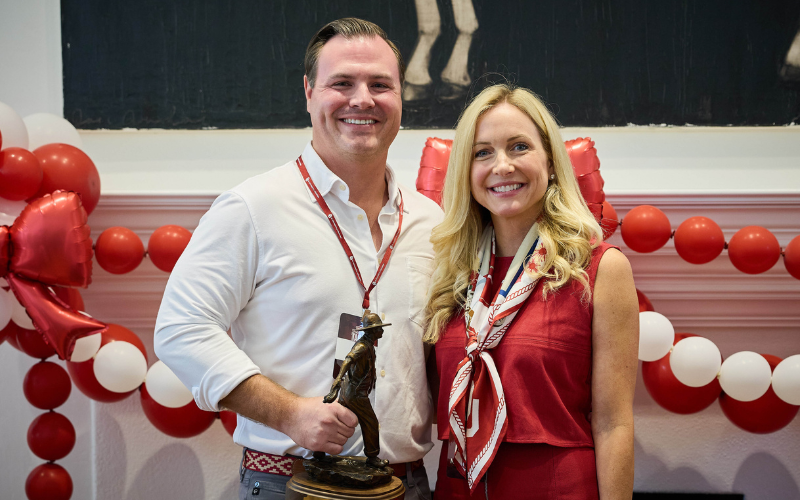
The University of Oklahoma has received a transformative gift from Jon and Shannon McCartney, which will name the McCartney Family Tunnel of Champions, the McCartney Family Gate of the Gaylord Family - Oklahoma Memorial Stadium and the McCartney Family Grand Lecture Hall in the Michael F. Price College of Business. The gift will also support the Inspiring Champions and the Athletic Director’s Discretionary Fund, in addition to establishing the McCartney DFW Career Trek program at Price College.
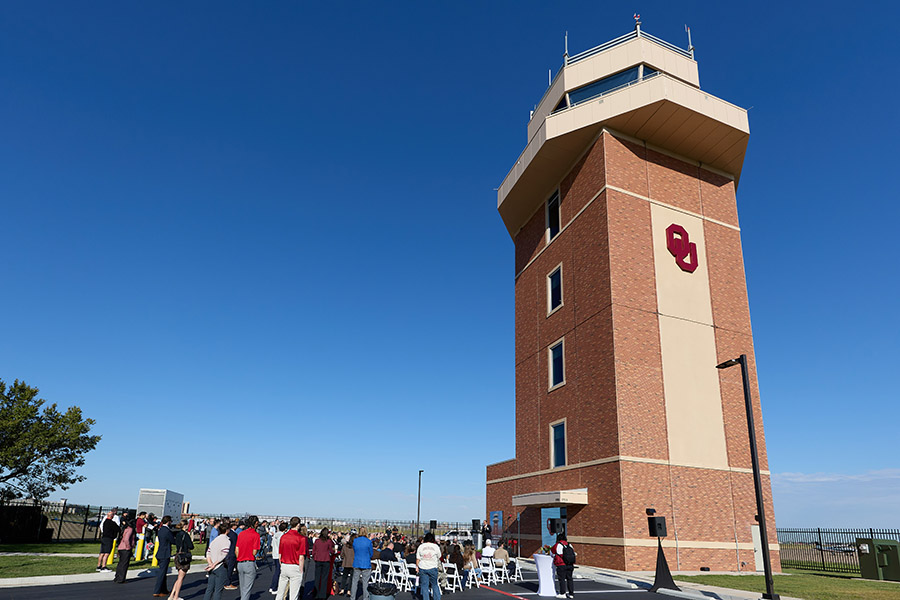
The University of Oklahoma today celebrated the opening of a new air traffic control tower at the OU Max Westheimer Airport. Standing 106 feet tall, more than double the current 52-foot facility, the new tower will modernize air traffic control operations and improve safety for pilots and students operating in the airspace.
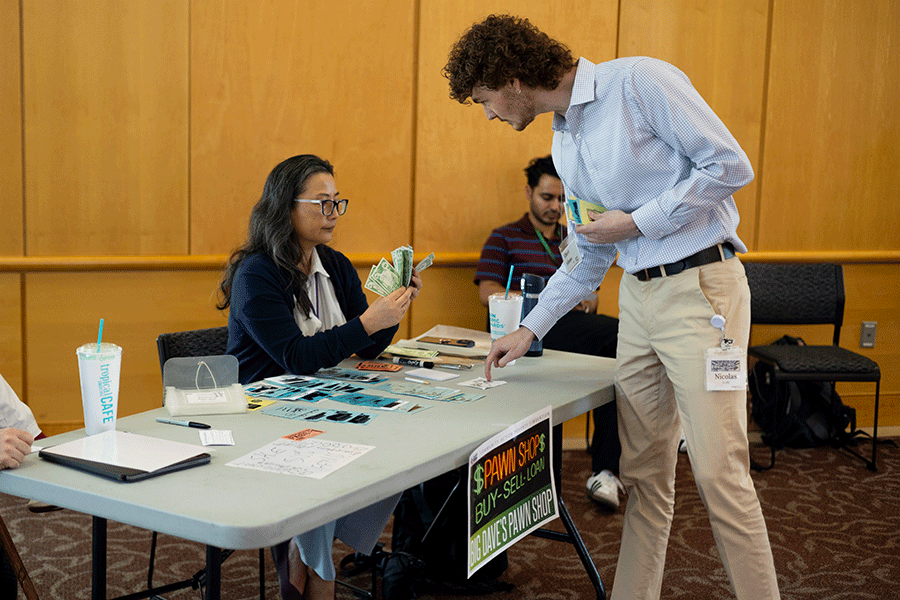
Do I buy groceries or pay the electric bill? Should I pawn some of my belongings to afford my prescription? My child is sick, so I will have to miss work to take care of him. Those are just a few of the difficult choices that OU-Tulsa health professional students confronted during the Community Access to Resources Experience. The role-playing activity challenged students to navigate the financial, family and other pressures that can affect a person’s health and ability to follow medical advice. Held annually during the SCM Institute orientation week, the experience is designed to generate understanding and build empathy.