NEWS

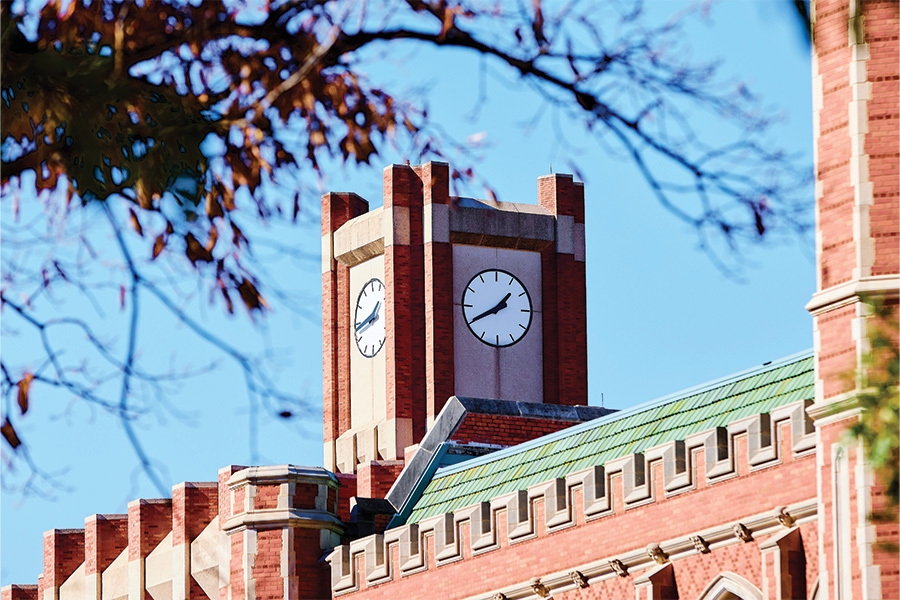
NORMAN, OKLA. – Faculty on the Norman campus at the University of Oklahoma now have a new way to expand the reach of their scholarship, thanks to OU’s open access policy and the SHAREOK repository.
By placing their work in SHAREOK, OU’s institutional repository, faculty make their articles freely available online, where they are indexed by Google and viewed by readers worldwide. Approved by the OU Faculty Senate in 2023, the policy says that OU faculty and the Board of Regents retain distribution rights to published research starting in 2025.
“Open access directly supports OU’s strategic goal of becoming a top-tier public research institution,” said Jessica Davila, associate dean for digital strategies and innovation. “When faculty scholarship is discoverable without paywalls, it increases citations, broadens impact and elevates OU’s research profile globally.”
Participation in SHAREOK includes 1,445 faculty-authored articles in the repository – a figure that continues to grow, attracting readers from China, Greece and Peru. Following a two-year outreach and implementation pilot, based on faculty feedback, OU Libraries developed a workflow that allows faculty to provide a CV or a list of publications. Library staff then review copyright eligibility of past works published prior to 2025 and deposit qualifying works on behalf of the authors. The service, known as CV parsing, is modeled after a program at Harvard University and is designed to save faculty time while making sure that their scholarship is represented in the repository. The CV parsing service will be offered as a two-year pilot to determine sustainability, Davila says.
SHAREOK is not limited to OU alone. The University of Central Oklahoma also participates with more Oklahoma schools expected to join, expanding the repository into a statewide resource. As more faculty contribute, the platform will grow in scope and visibility, amplifying the impact of research conducted at OU and across the state, Davila says.
The benefits of open access extend beyond visibility and citations. Students and scholars at under-resourced institutions, who may not have access to costly journals, can freely access OU-authored work. Accepted versions of articles may also be deposited while awaiting formal journal publication, allowing faster dissemination of new findings.
OU Libraries has planned more initiatives to encourage faculty engagement, including an “Impact Champions” program that recognizes researchers whose participation raises visibility. The “Increase Your Impact” workshop series will cover the support available to OU authors who want to publish open access throughout the year.
University Libraries also launched a podcast about open access. On Nov. 13, they host Colleen Cressman, Librarian for Open Publishing, Open Scholarship and Research Data Services for Harvard Library, who will discuss open access policies and author agency in the age of artificial intelligence.
“Every article added to SHAREOK strengthens OU’s reputation while ensuring that OU faculty scholarship informs and inspires readers worldwide,” Davila said.
Visit SHAREOK at shareok.org/home.
For more information, email the Open Initiatives and Scholarly Communications unit at scholarlycommunication@ou.edu or phone 405-325-5761.
About the University of Oklahoma
Founded in 1890, the University of Oklahoma is a public research university located in Norman, Oklahoma. As the state’s flagship university, OU serves the educational, cultural, economic and health care needs of the state, region and nation. For more information about the university, visit www.ou.edu.
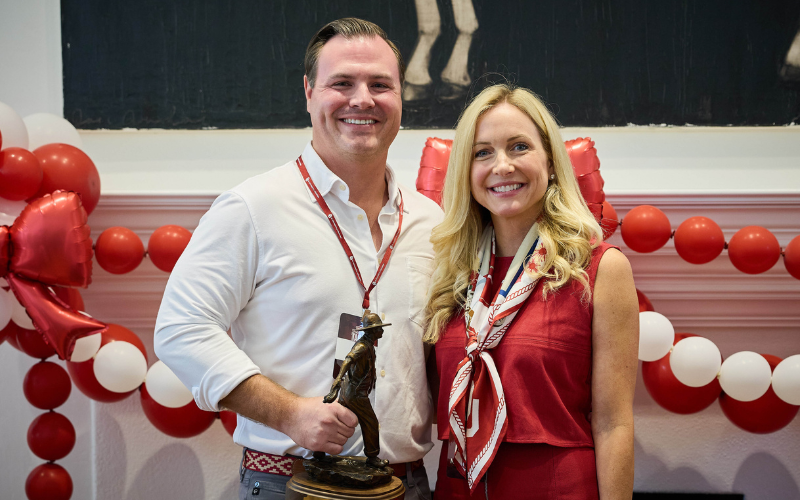
The University of Oklahoma has received a transformative gift from Jon and Shannon McCartney, which will name the McCartney Family Tunnel of Champions, the McCartney Family Gate of the Gaylord Family - Oklahoma Memorial Stadium and the McCartney Family Grand Lecture Hall in the Michael F. Price College of Business. The gift will also support the Inspiring Champions and the Athletic Director’s Discretionary Fund, in addition to establishing the McCartney DFW Career Trek program at Price College.
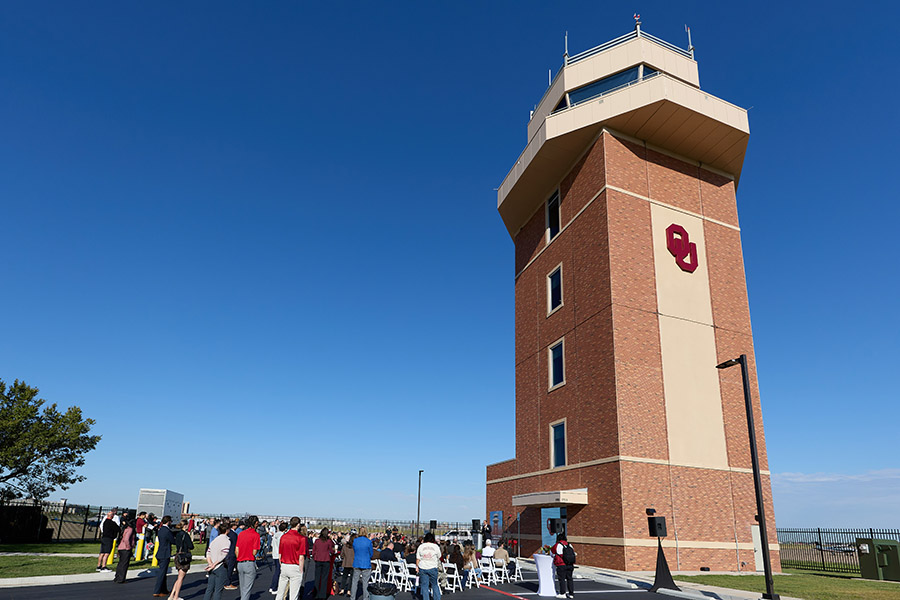
The University of Oklahoma today celebrated the opening of a new air traffic control tower at the OU Max Westheimer Airport. Standing 106 feet tall, more than double the current 52-foot facility, the new tower will modernize air traffic control operations and improve safety for pilots and students operating in the airspace.
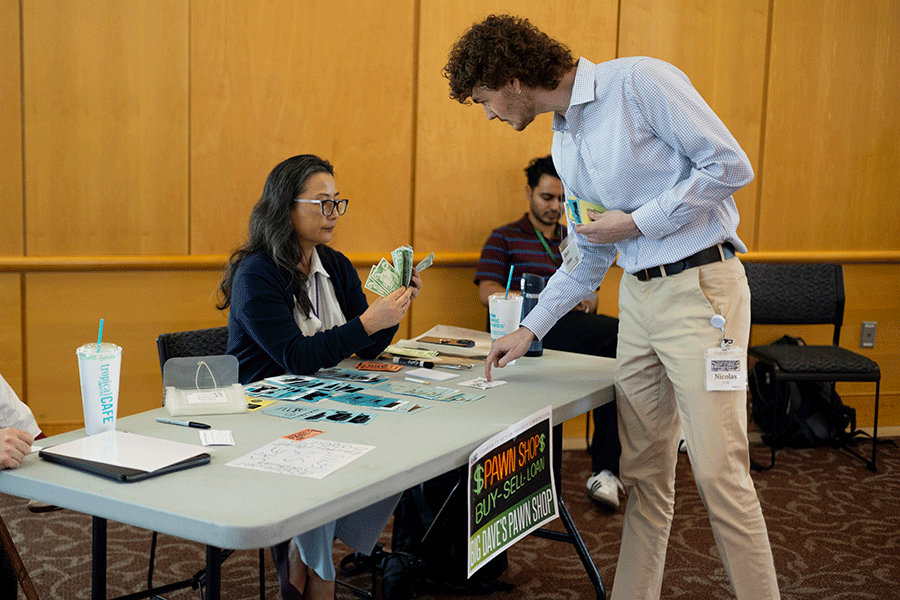
Do I buy groceries or pay the electric bill? Should I pawn some of my belongings to afford my prescription? My child is sick, so I will have to miss work to take care of him. Those are just a few of the difficult choices that OU-Tulsa health professional students confronted during the Community Access to Resources Experience. The role-playing activity challenged students to navigate the financial, family and other pressures that can affect a person’s health and ability to follow medical advice. Held annually during the SCM Institute orientation week, the experience is designed to generate understanding and build empathy.