NEWS

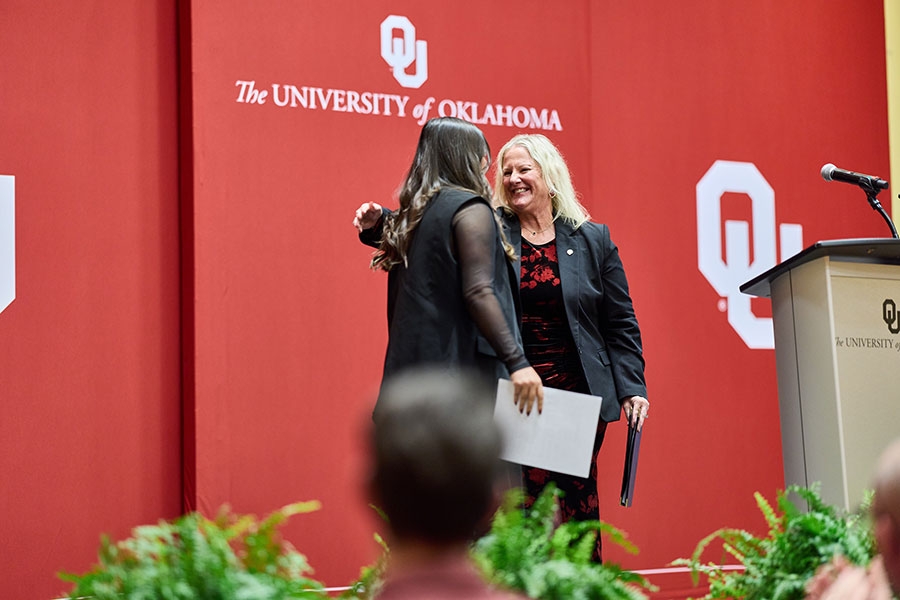
NORMAN, OKLA. - The University of Oklahoma Jeannine Rainbolt College of Education K20 Center for Educational and Community Renewal has been awarded its seventh GEAR UP grant — this time totaling nearly $40 million in federal funding over seven years, with a dollar-for-dollar match bringing the total investment to more than $80 million. The timing of the grant coincides with the K20 Center’s 30th anniversary. It supports the GEAR UP the METRO* initiative, which will serve three Oklahoma City-area urban school districts and impact a projected 7,123 students through a seven-year, dual-cohort project beginning in sixth and seventh grades.
The program’s overarching goal is to increase educational opportunity and post-secondary readiness for students in under-resourced communities. “It’s really about keeping them in school, having them graduate from high school, and making sure they have opportunities and choice,” said Leslie Williams, Ph.D., director of the K20 Center. While the national GEAR UP model emphasizes college enrollment, the K20 Center’s approach includes all forms of continued learning that expand opportunity and build long-term stability.
A key differentiator of the K20 Center’s GEAR UP model is its systemic and sustainable approach. “We work with students, their families, teachers, school leaders and community members,” Williams said. “That’s what sets K20 apart nationally.” The program includes campus visits, mentoring and classroom enrichment, but also invests heavily in educator development and family engagement.
One of the most innovative components is the QUEST microlearning platform, designed for parents and guardians. “Think TikTok — two- to three-minute experiences that are very consumable,” explained Scott Wilson, Ph.D., K20 associate director of innovative learning. “It’s trustworthy, ad-free content from the University of Oklahoma and K20, and it’s just in time for families who can’t attend in-person events.” The platform includes modules on FAFSA, Oklahoma’s Promise tuition scholarships, and college enrollment, with a badging system that helps families track their progress and build confidence.
The grant also addresses Oklahoma’s teacher shortage, particularly in districts with high rates of emergency-certified educators. “We have a year-long mentorship model where master teachers coach new educators,” Wilson said. “We also offer asynchronous micro-credentialing, where teachers complete online training, implement it, and earn honorariums while building classroom-ready skills.” The goal is to help new teachers feel supported and stay in the profession longer, thereby improving continuity and student outcomes.
As a research center, the K20 Center makes all GEAR UP-developed resources publicly available through its LEARN website. “Every resource we develop becomes public domain,” Williams said. “They’re already being used by Oklahoma City, Putnam City and ASTEC Charter Schools, and they’ll be available to other GEAR UP programs nationwide.”
As the K20 Center celebrates its 30th anniversary, the new GEAR UP the METRO grant underscores the importance of sustained investment in educational improvement. For more information about the K20 Center’s work, visit its website at k20center.ou.edu.
*GEAR UP stands for Gaining Early Awareness and Readiness for Undergraduate Programs, and METRO stands for Maximizing Education Through Real-world Opportunities.
About the University of Oklahoma
Founded in 1890, the University of Oklahoma is a public research university located in Norman, Oklahoma. As the state’s flagship university, OU serves the educational, cultural, economic and health care needs of the state, region and nation. For more information about the university, visit www.ou.edu.
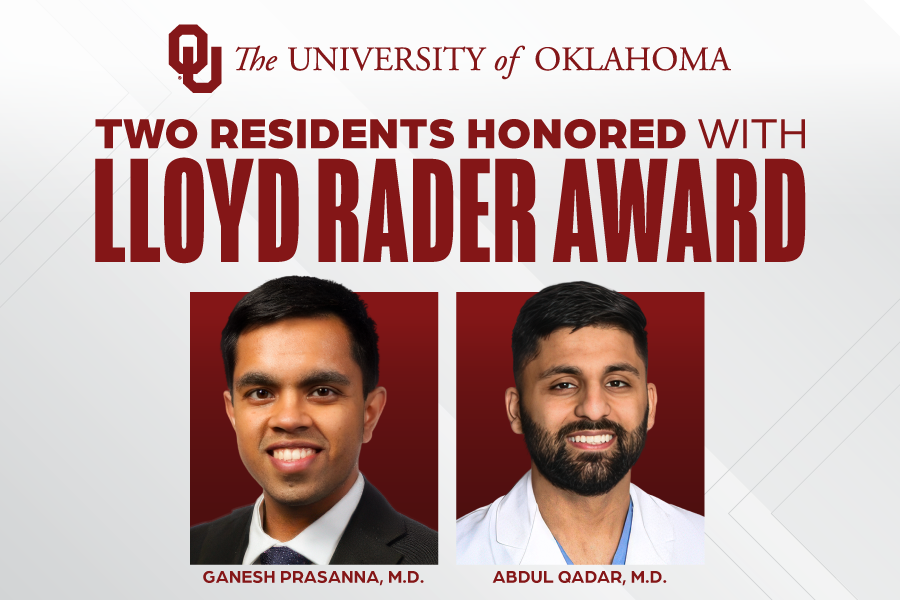
The University of Oklahoma College of Medicine has honored two residents with the Lloyd Rader Award, which recognizes outstanding clinical and research achievements in residency.
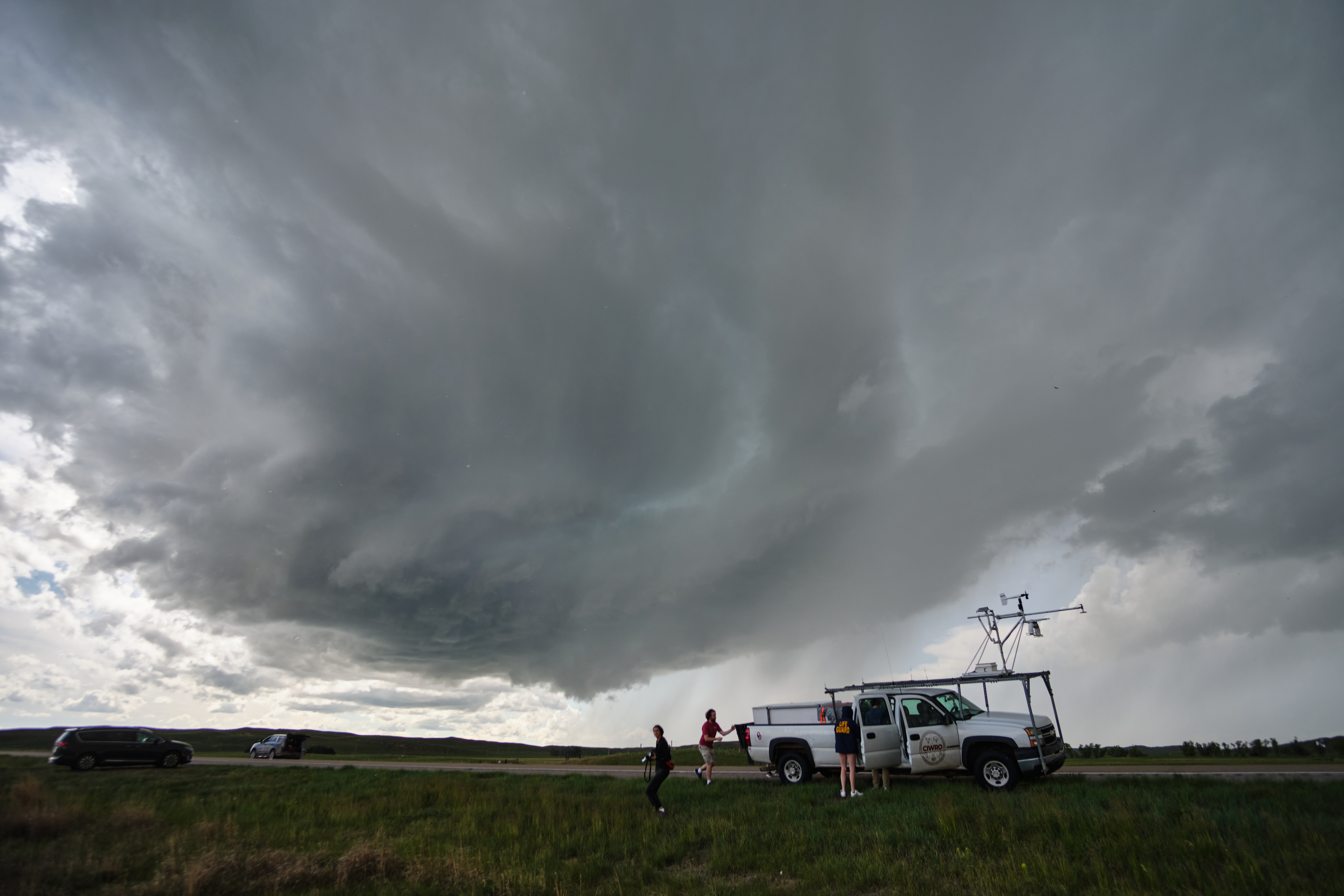
The University of Oklahoma will receive up to $220 million over five years from the U.S. Department of Commerce and the National Oceanic and Atmospheric Administration to continue the life-saving weather research led by the OU-NOAA Cooperative Institute for Severe and High-Impact Weather Research and Operations, extending a nearly 50-year partnership that has helped give Americans earlier, more accurate weather warnings
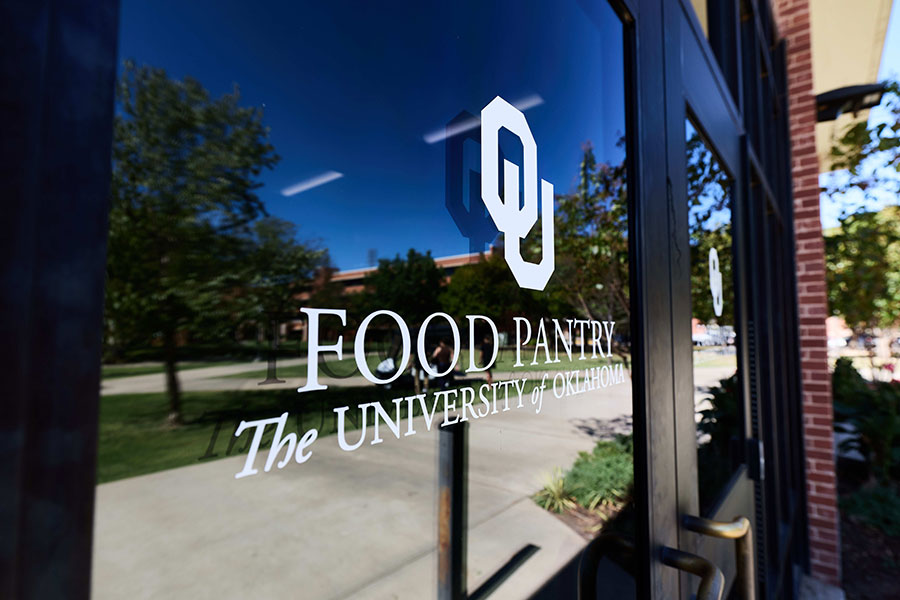
The OU Food Pantry won the annual Red River Food Fight, collecting 31,815.9 pounds of shelf-stable food and drinks to top UT Outpost’s 22,567 pounds. OU has won the competition four years in a row.