NEWS


NORMAN, OKLA. – The University of Oklahoma and the Universidad Nacional de San Agustín of Arequipa, Peru, have advanced their collaborative commitment to solving urgent environmental and human health challenges with the next phase of the Arequipa Global Change and Human Health Institute.
Established in 2021, the GCHHI is a research and capacity-building partnership jointly led by OU’s Institute for Resilient Environmental and Energy Systems and UNSA’s Office of the Vice Rector for Research. With new support and an additional $4.1 million in funding, the Institute is expanding its operations to deepen faculty collaboration, establish advanced research infrastructure and deliver science-based solutions for communities across the Arequipa region.
“OU’s partnership with UNSA exemplifies how international collaboration can generate results far beyond what any single institution could achieve alone,” said interim Vice President for Research and Partnerships Carol Silva. “It also underscores OU’s commitment to convergent research that tackles today’s most pressing global challenges and enhances quality of life around the world.”
The GCHHI focuses on three critical areas: building resilience to climate and land use change, advancing One Health approaches and designing adaptive social systems. By bringing together interdisciplinary teams of researchers, community stakeholders and public and private sector partners, the Institute fosters evidence-driven solutions to complex regional challenges such as sustainable use of soil, water and energy resources, degrading air quality, natural hazards monitoring and prediction, and public health vulnerabilities.
“The strategic alliance between the National University of San Agustín de Arequipa and the University of Oklahoma, generates a technical cooperation with impactful research to respond to critical climate and health threats of the Arequipa region. This allows UNSA to increase its research capacity at an international level and that of its faculty and students. The six new research projects of the Second Phase of our agreement are focused on responding to environmental problems and their effects on the health of the population of the Region of Arequipa,” said Henry Polanco Cornejo, UNSA vice rector for research.
Located on UNSA’s campus in Arequipa, the LASI-supported GCHHI is designed to serve as a regional hub for research, education and policy development. Six new collaborative projects led by faculty from both universities are now underway, spanning disciplines from environmental engineering to public health and remote sensing.
“The partnership with UNSA represents a model of mutual investment in research capacity and community resilience,” said Tim Filley, director of IREES and the Latin America Sustainability Initiative. “More than 30 OU faculty, postdocs, researchers and grad students across five colleges are committed to this collaboration. By connecting students, scientists and decision-makers, we are enabling Arequipa to lead in addressing the dual challenges of environmental change and health equity.”
OU’s participation aligns with its broader strategic research goals under the Lead On, University plan, which prioritizes global partnerships and convergent research to tackle pressing societal needs. The GCHHI also reflects IREES’ mission to spark transformative collaborations and empower local and global communities to thrive in a changing world.
Learn more about the GCHHI and other LASI projects.
About the University of Oklahoma
Founded in 1890, the University of Oklahoma is a public research university located in Norman, Oklahoma. As the state’s flagship university, OU serves the educational, cultural, economic and health care needs of the state, region and nation. For more information about the university, visit www.ou.edu.
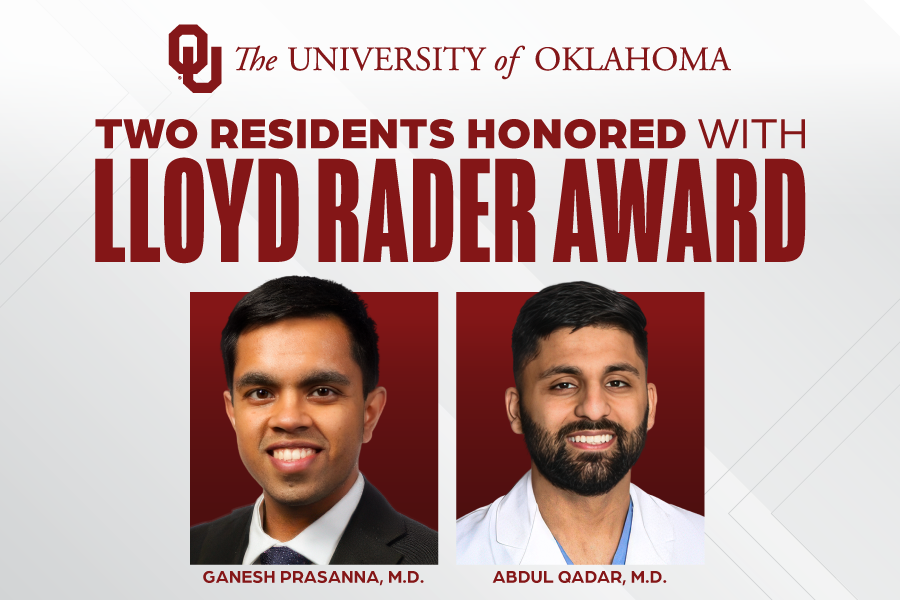
The University of Oklahoma College of Medicine has honored two residents with the Lloyd Rader Award, which recognizes outstanding clinical and research achievements in residency.
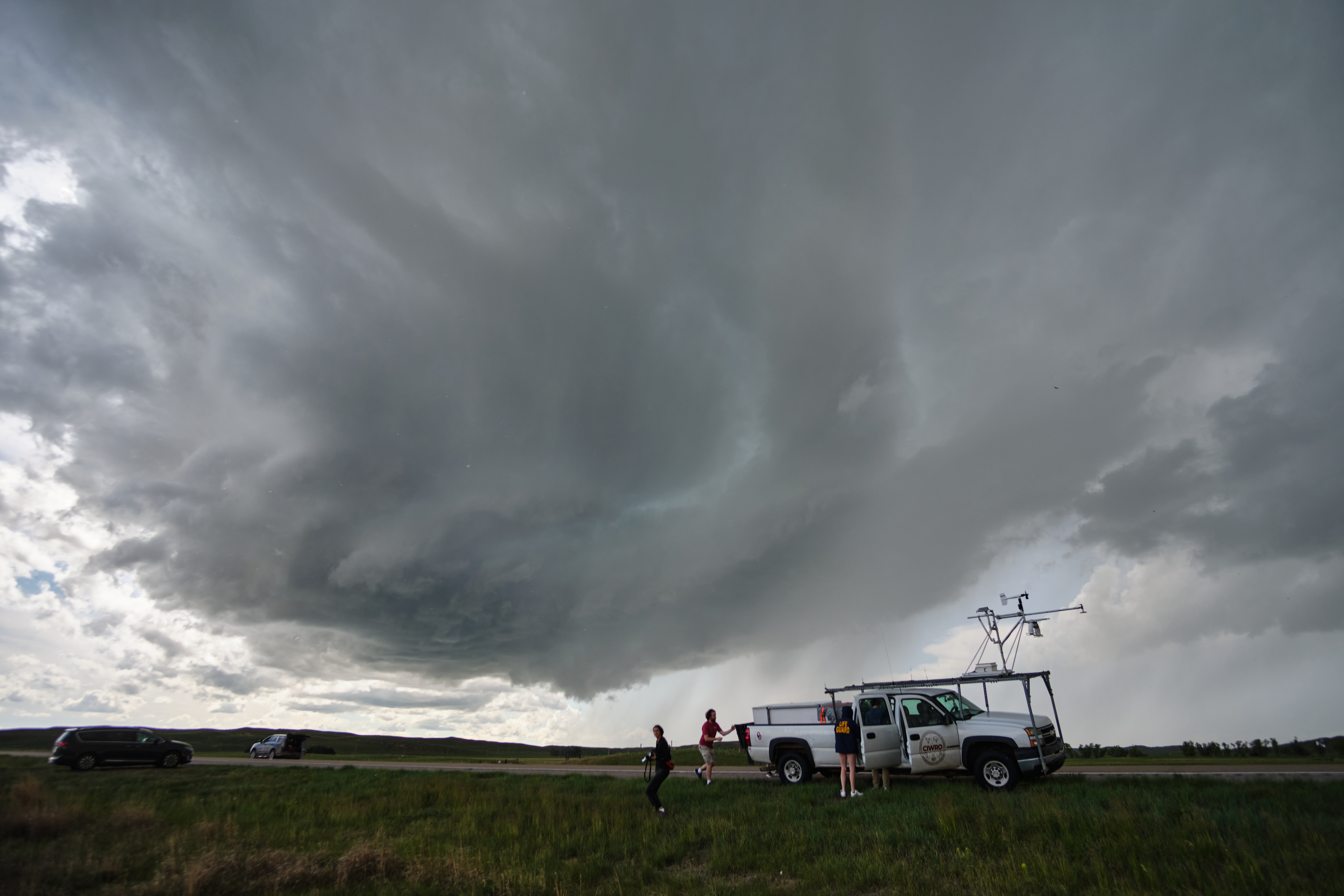
The University of Oklahoma will receive up to $220 million over five years from the U.S. Department of Commerce and the National Oceanic and Atmospheric Administration to continue the life-saving weather research led by the OU-NOAA Cooperative Institute for Severe and High-Impact Weather Research and Operations, extending a nearly 50-year partnership that has helped give Americans earlier, more accurate weather warnings
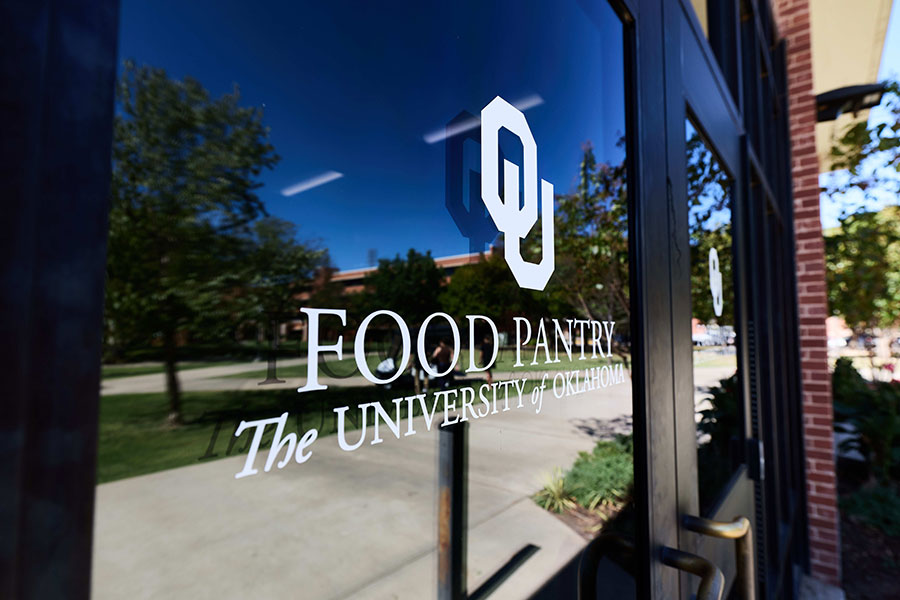
The OU Food Pantry won the annual Red River Food Fight, collecting 31,815.9 pounds of shelf-stable food and drinks to top UT Outpost’s 22,567 pounds. OU has won the competition four years in a row.