NEWS
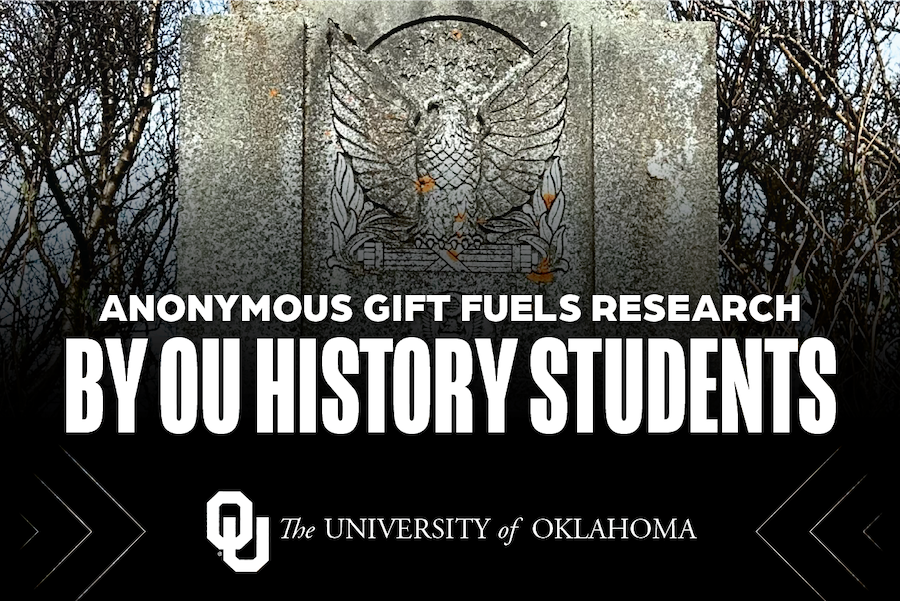
NORMAN, OKLA. – An anonymous gift made it possible for seven University of Oklahoma students to spend a semester conducting immersive research across the U.S. and Iceland – diving into topics rarely covered in standard textbooks.
The funding opened a door that had remained shut for OU history undergraduates until now: the opportunity to pursue field research and make on-site visits. For many students, the experience was not only academically transformative but personally meaningful, as they traced underrepresented narratives of war, memory and identity, says Melissa Stockdale, Ph.D., Brian E. and Sandra O’Brien Presidential Professor, who teaches the class War and Memory.
“This has just never happened before. We have never had money for undergraduates to do research like this. This anonymous donation changed everything. For the first time, our students could identify a topic they were passionate about, write a prospectus and go out into the world to research it. It’s been amazing.”
Students fanned out across the United States – and one traveled to Iceland – tracking stories that show the ways war is remembered. Robert Cooke, of Noble, traveled to Washington, D.C., and Hyde Park, New York, to explore how Franklin D. Roosevelt’s Four Freedoms speech, delivered during World War II, has been remembered.
Sofia Givens, of Norman, focused her research on the Arctic convoys of World War II, an overlooked military campaign in which ships ferried supplies to the Soviet Union across icy waters. Though their original plan to access Russian archives was no longer feasible, she identified Iceland as a key site for the convoys.
Trenten Martin intrigued by a community debate over a Confederate monument in Bentonville, Arkansas, went straight to the source. The Muskogee native interviewed city officials, spoke with the head of the local newspaper and met with representatives from the United Daughters of the Confederacy, the group that originally erected the statue.
Lawton resident Justin Strickland visited Albuquerque, New Mexico, where he found the only memorial in the U.S. commemorating the Bataan Death March, a forced transfer of American and Filipino prisoners of war during World War II that is little known.
Students Lex Fiaccone, Derek Meinke and Brianna Vore were also awarded funding. Fiaccone’s project focused on recovering the memory of the Hello Girls and women’s service contributions in World War I. Meinke studied the shifting Civil War memory among the Choctaw, Cherokee and Chickasaw tribes of Oklahoma. Vore explored the 1919 Race Riots in Chicago when Black soldiers were returning from World War I.
“These are stories that often do not get told,” Stockdale said. “Students couldn’t write them unless they had the chance to visit the site, work in archives or talk to the people involved. It is real, hands-on research and it is changing the way our students think about history – and their place in it.”
The gift is groundbreaking, says Elyssa Faison, Ph.D., L.R. Brammer Jr. Presidential Professor and chair of OU’s Department of History. “It is absolutely a first. We have never had funding opportunities like this in the past,” she said. “The donor specified that this would support history majors who are learning outside the classroom walls. That can mean archival research, study abroad, conference presentations – so many possibilities. We are still working on spreading the word and encouraging more students to take advantage.”
Stockdale agrees, saying that funded undergraduate research pays dividends far beyond the semester. “It builds confidence. It teaches real skills – how to conduct interviews, use archives, work with microfilm and interpret primary sources. It also tells future employers or grad schools that this student did serious, independent research. That stands out.”
But perhaps most importantly, Stockdale says it shows students that their work matters. “To be taken seriously, to be given the support to do something big – that’s transformative. It tells them, ‘You belong here. You are capable of this.’ And they rise to the challenge.”
Learn more about the Dodge Family College of Arts and Sciences at OU.
About the University of Oklahoma
Founded in 1890, the University of Oklahoma is a public research university located in Norman, Oklahoma. As the state’s flagship university, OU serves the educational, cultural, economic and health care needs of the state, region and nation. For more information about the university, visit www.ou.edu.
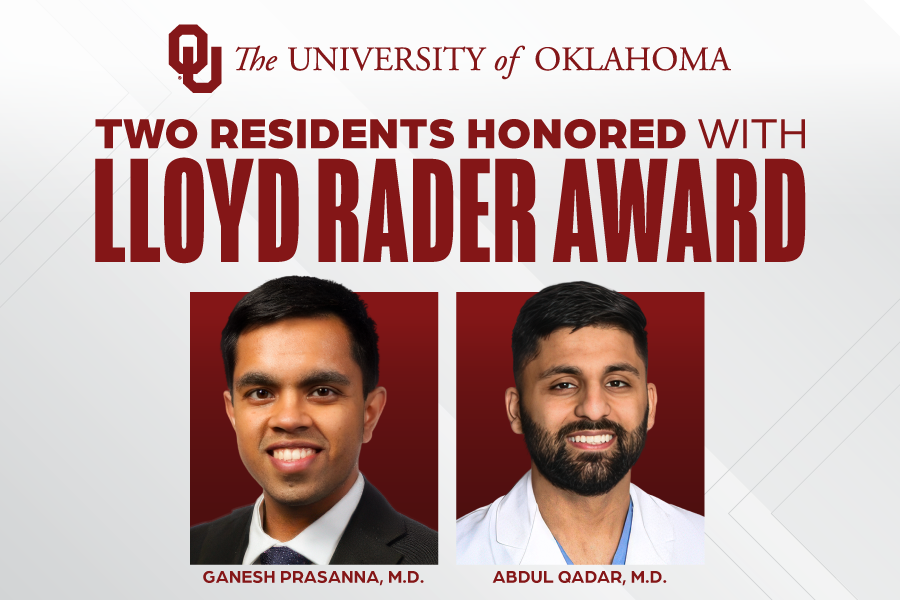
The University of Oklahoma College of Medicine has honored two residents with the Lloyd Rader Award, which recognizes outstanding clinical and research achievements in residency.
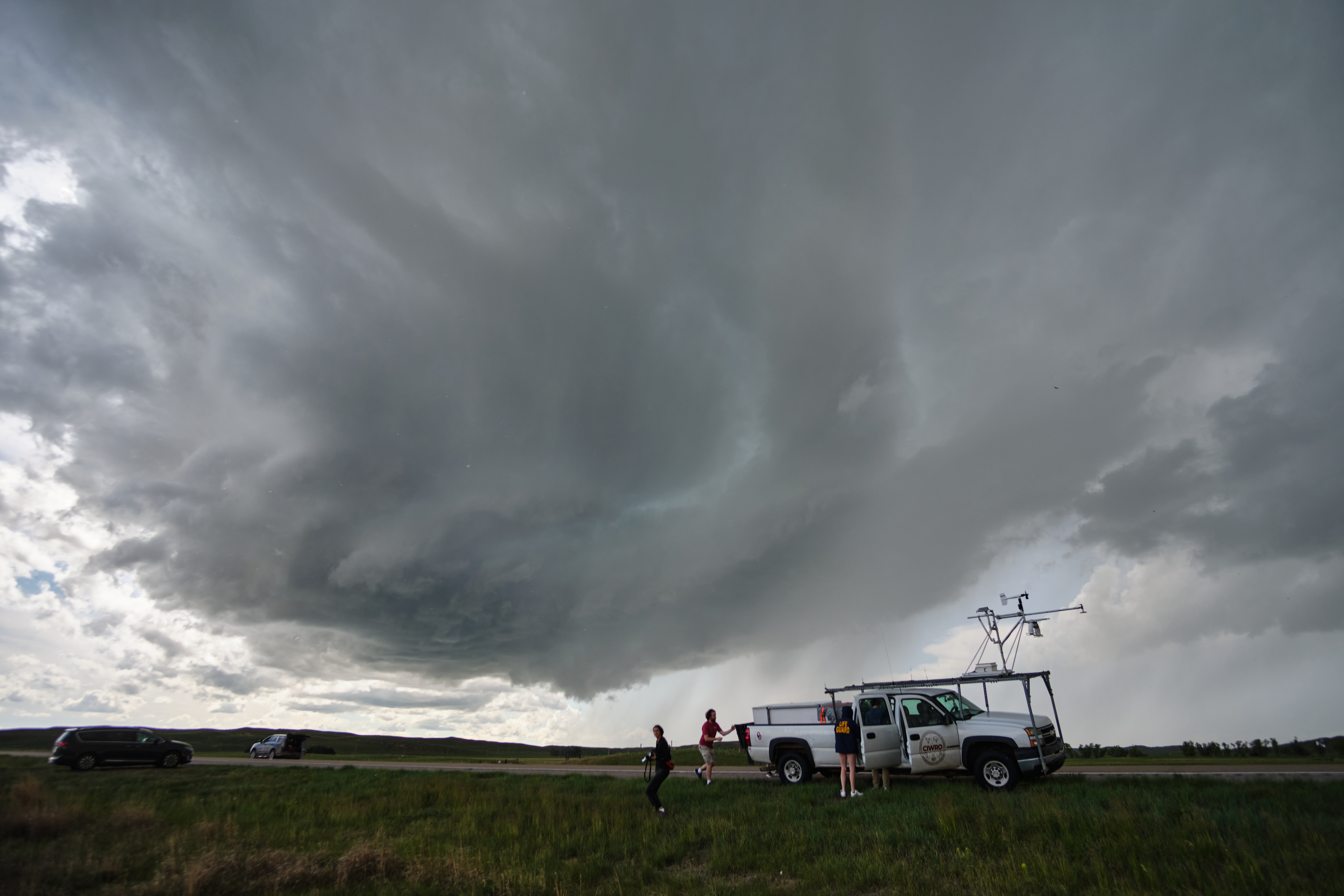
The University of Oklahoma will receive up to $220 million over five years from the U.S. Department of Commerce and the National Oceanic and Atmospheric Administration to continue the life-saving weather research led by the OU-NOAA Cooperative Institute for Severe and High-Impact Weather Research and Operations, extending a nearly 50-year partnership that has helped give Americans earlier, more accurate weather warnings
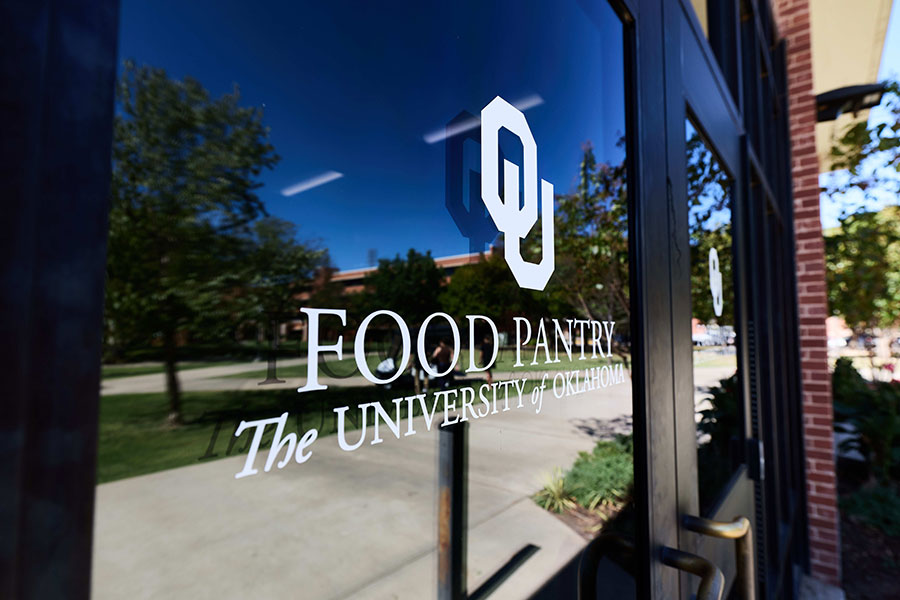
The OU Food Pantry won the annual Red River Food Fight, collecting 31,815.9 pounds of shelf-stable food and drinks to top UT Outpost’s 22,567 pounds. OU has won the competition four years in a row.