NEWS

Date
Dec. 9, 2025
Media Contact
April Wilkerson
april-j-wilkerson@ouhsc.edu
OKLAHOMA CITY – The Oklahoma Poison Center is reminding families that button batteries remain one of the most dangerous holiday hazards. Ingestion can cause severe internal burns, permanent injury or death. More than 3,400 people swallow button batteries each year, most of them children.
Button Batteries: Small Size, Serious Risk
These coin-shaped batteries are found in many household and holiday items, including greeting cards, remote controls, flameless candles, watches, toys and ornaments. Once swallowed, a button battery can lodge in the esophagus. Within two hours, it may generate an electrical current that causes tissue burns. Symptoms may be subtle or delayed, and many cases are unwitnessed. Signs include drooling, coughing, vomiting, chest discomfort, difficulty swallowing and bloody stool.
Any of these symptoms, even without a known ingestion, require immediate medical evaluation. Do not induce vomiting or give anything by mouth unless instructed and seek emergency care immediately.
Other Seasonal Hazards
Holiday Plants:
Most poinsettia exposures cause only mild stomach upset, but holly, mistletoe, Jerusalem cherry and bittersweet nightshade can cause vomiting, heart-rate changes and, in rare cases, more serious toxicity. Keep decorative plants out of reach of children and pets.
Medications, Nicotine, Alcohol and Edibles:
Holiday gatherings often mean medications, nicotine products, cannabis edibles and alcohol are left accessible.
Alcohol:
Even small amounts can cause seizures, breathing problems or unconsciousness in children.
Nicotine (including vapes and e-liquids):
Concentrated nicotine can be life-threatening.
Marijuana Edibles:
Marijuana edibles may resemble treats yet can cause significant symptoms in children. Store edibles locked away and in their original packaging.
Medications:
Visiting relatives’ pill organizers and prescriptions are a common source of exposure. Ask guests to store bags and purses out of reach.
Carbon Monoxide:
Increased use of ovens, fireplaces and furnaces raises the risk of carbon monoxide (CO) poisoning. CO is odorless and colorless but can cause headache, dizziness, vomiting, weakness, confusion and, in severe cases, death. Ensure working CO detectors and proper ventilation. Never use outdoor appliances to heat indoors.
“Families often see the holidays as a time to relax, and they should,” said Kristie Edelen, Pharm.D, managing director of the Oklahoma Poison Center. “But when something goes wrong, our toxicology experts are only a phone call away and can help determine if a situation is serious or manageable at home.”
For any exposure or concern, call the Oklahoma Poison Center at 1-800-222-1222 for free, confidential help available 24/7.
About the University of Oklahoma
Founded in 1890, the University of Oklahoma is a public research university located in Norman, Oklahoma. As the state’s flagship university, OU serves the educational, cultural, economic and health care needs of the state, region and nation. For more information about the university, visit www.ou.edu.
The University of Oklahoma has received a transformative gift from Jon and Shannon McCartney, which will name the McCartney Family Tunnel of Champions, the McCartney Family Gate of the Gaylord Family - Oklahoma Memorial Stadium and the McCartney Family Grand Lecture Hall in the Michael F. Price College of Business. The gift will also support the Inspiring Champions and the Athletic Director’s Discretionary Fund, in addition to establishing the McCartney DFW Career Trek program at Price College.
The University of Oklahoma today celebrated the opening of a new air traffic control tower at the OU Max Westheimer Airport. Standing 106 feet tall, more than double the current 52-foot facility, the new tower will modernize air traffic control operations and improve safety for pilots and students operating in the airspace.
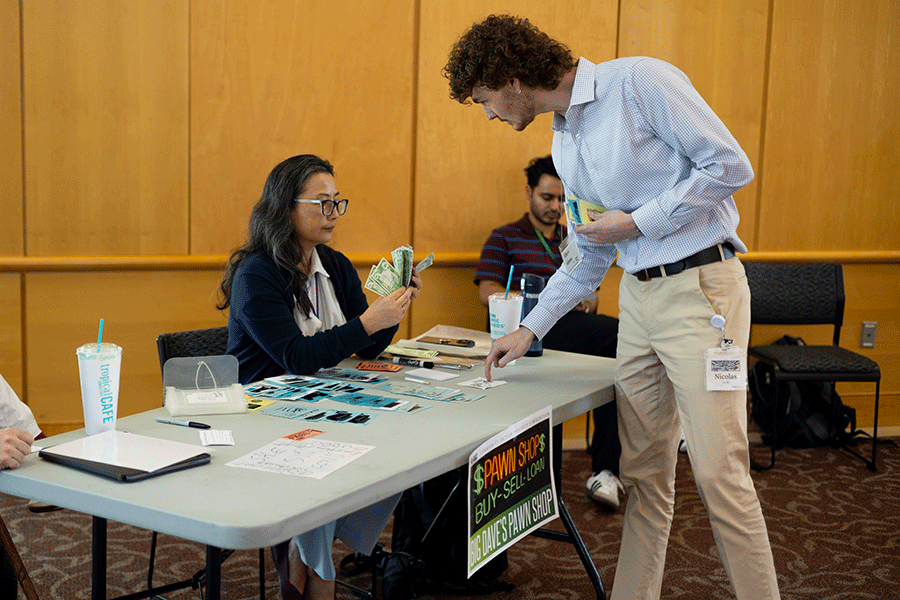
Do I buy groceries or pay the electric bill? Should I pawn some of my belongings to afford my prescription? My child is sick, so I will have to miss work to take care of him. Those are just a few of the difficult choices that OU-Tulsa health professional students confronted during the Community Access to Resources Experience. The role-playing activity challenged students to navigate the financial, family and other pressures that can affect a person’s health and ability to follow medical advice. Held annually during the SCM Institute orientation week, the experience is designed to generate understanding and build empathy.