NEWS

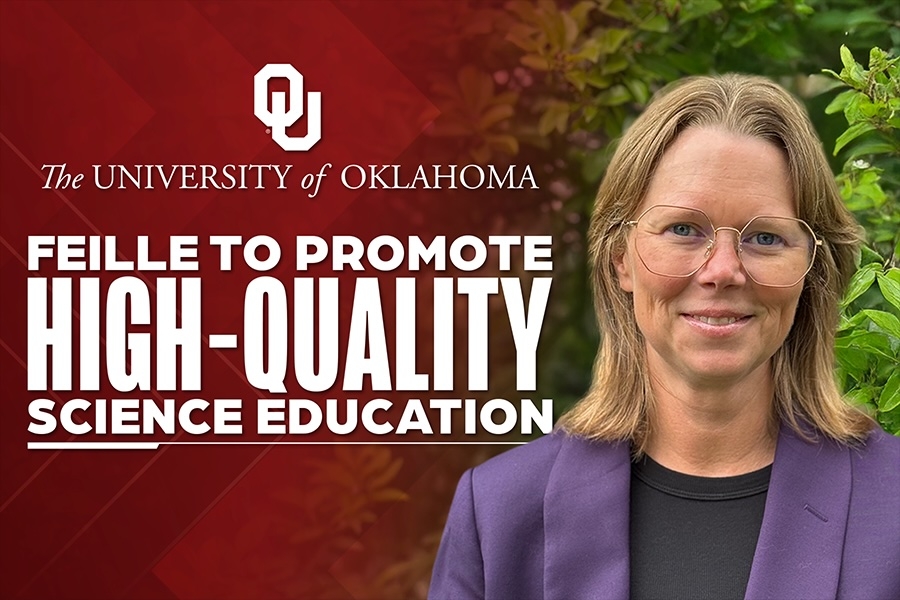
NORMAN, OKLA. - Kelly Feille, associate professor of science education at the University of Oklahoma, has been named a 2025 Sound Science Fellow by the National Center for Science Education (NCSE). This prestigious fellowship, aimed at advancing the teaching of evolution, climate change and accurate scientific education, will provide six scholars with unique opportunities to engage in deep exploration and collaboration, building on NCSE’s mission to ensure accurate, evidence-based science education in K-12 schools nationwide.
The Sound Science Fellowship is designed to address the ongoing challenges teachers face as they navigate scientific misinformation, evolving educational standards, and societal resistance to critical scientific topics.
“We are so excited to welcome this exceptional group of scholars into the second cohort of the Sound Science Fellowship,” said NCSE Executive Director Amanda L. Townley. “These fellows are passionate about inspiring the next generation of scientifically literate citizens, and through this fellowship, they will have opportunities to inform, support and expand our understanding and approaches to address challenges to the teaching and learning of topics such as evolution and climate science.”
The 2025 Sound Science Fellows were selected based on their dedication to science education and science teacher education, their proven ability to engage critically in research and teaching spaces, and their commitment to upholding the highest standards of scientific accuracy. As part of the fellowship, each fellow will work closely with experts in evolutionary biology, climate science and pedagogy to develop an understanding of best practices in education and emerging challenges, while contributing to ongoing efforts to improve science education nationwide.
“Dr. Feille’s selection as a Sound Science Fellow reflects her deep commitment to advancing evidence-based science education,” said Stacy Reeder, dean of OU’s Jeannine Rainbolt College of Education. “This fellowship not only honors her expertise but also strengthens our college’s mission to prepare educators who can develop scientifically literate students and inspire future generations.”
Along with Feille, the 2025 Sound Science Fellows are: Isaiah Kent-Schneider, associate professor of science education at Purdue University; Lauren Madden, professor of elementary science education at The College of New Jersey; Irene Marti Gil, educational outreach coordinator at Louisiana State University Museum of Natural Science; Chelsea McClure, assistant professor of STEM at The Notre Dame of Maryland University; and Elizabeth Schultheis, education and outreach coordinator at the W. K. Kellogg Biological Station, Michigan State University.
“These educators are at the forefront of ensuring that future generations are equipped to understand and engage with the most important scientific issues of our time,” Townley said.
Feille will serve a two-year term. During her tenure, she will work on individual and collaborative projects, attend seminars with scientists and education leaders, and contribute to NCSE’s broader mission to promote and defend high-quality science education nationwide.
For more information about the Sound Science Fellowship and the National Center for Science Education, please click here to visit the NCSE website.
About the University of Oklahoma
Founded in 1890, the University of Oklahoma is a public research university located in Norman, Oklahoma. As the state’s flagship university, OU serves the educational, cultural, economic and health care needs of the state, region and nation. For more information about the university, visit www.ou.edu.
The University of Oklahoma College of Medicine has honored two residents with the Lloyd Rader Award, which recognizes outstanding clinical and research achievements in residency.
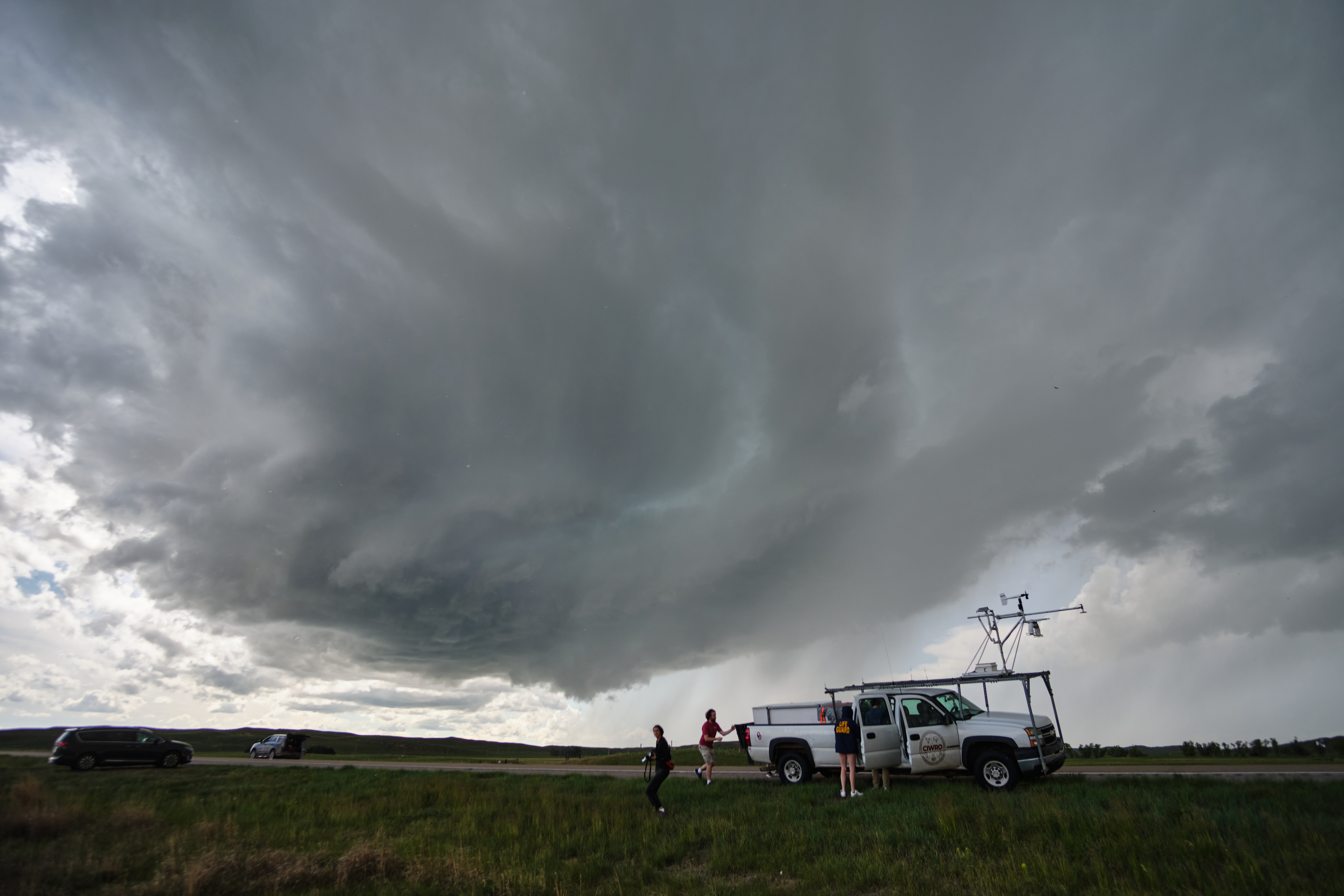
The University of Oklahoma will receive up to $220 million over five years from the U.S. Department of Commerce and the National Oceanic and Atmospheric Administration to continue the life-saving weather research led by the OU-NOAA Cooperative Institute for Severe and High-Impact Weather Research and Operations, extending a nearly 50-year partnership that has helped give Americans earlier, more accurate weather warnings
The OU Food Pantry won the annual Red River Food Fight, collecting 31,815.9 pounds of shelf-stable food and drinks to top UT Outpost’s 22,567 pounds. OU has won the competition four years in a row.