NEWS

OKLAHOMA CITY, OKLA. – Clinical trial results published today in the Journal of the American Medical Association indicate a potential shift in managing bleeding complications after major open-heart surgery.
The research, presented this weekend at the annual meeting of the American College of Cardiology, demonstrates that administering non-activated four-factor prothrombin complex concentrate (4F-PCC) – a shelf-stable medication containing freeze-dried clotting factors – significantly reduced the risk of severe bleeding caused by the patient being on a heart-lung bypass machine. Compared to frozen plasma, 4F-PCC lowered the risk of major bleeding by nearly 50%.
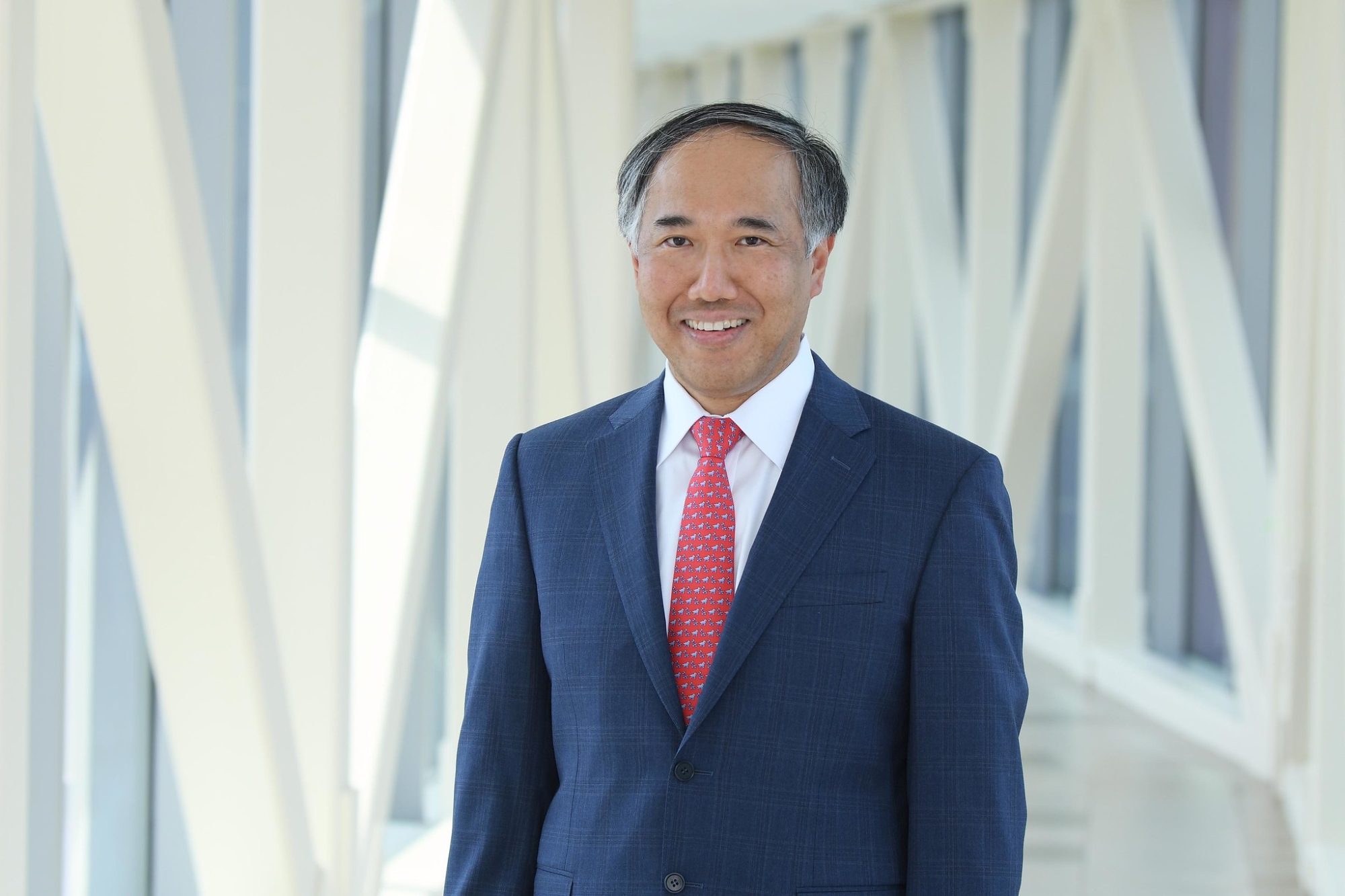
“Traditionally, at least half of patients undergoing heart surgery lasting more than two hours on cardiopulmonary bypass receive transfusions of red blood cells, thawed frozen plasma and platelets to manage anemia and bleeding complications. The finding that 4F-PCC may serve as a more effective alternative to frozen plasma in controlling surgical bleeding is a game-changer,” said Kenichi Tanaka, M.D., who co-led the clinical trial in the United States. Tanaka is a professor and chair of the Department of Anesthesiology at the University of Oklahoma College of Medicine.
When a heart surgery patient begins to bleed, blood pressure drops, reducing oxygen delivery to vital organs. To manage both bleeding and hypotension, anesthesiologists often administer blood products like frozen plasma, but many feel that the bleeding frequently doesn’t stop unless large volumes of plasma are given – volumes that a weakened heart may not tolerate well immediately after surgery, Tanaka said.
Frozen plasma and 4F-PCC differ in several ways. One bag of frozen plasma is 250 to 300 milliliters; four bags of frozen plasma administered in the study equates to over a liter. In contrast, four bottles of 4F-PCC used for the study were 80 milliliters – far less stressful to patient’s heart and lungs.
“4F-PCC is 25 times more concentrated than frozen plasma, so we can stop the bleeding more efficiently,” Tanaka said. “It’s like drinking espresso versus regular coffee in the morning – because espresso is highly caffeinated, you don’t have to drink as much to achieve the same caffeine level.”
“I think it will also improve resource utilization,” he added. “4F-PCC can be given to patients with any blood type; we won’t need to keep as many blood-type specific frozen plasmas for heart surgery patients. With better bleeding control, we may consume less resources in the ICU.”
The company Octapharma USA provided 4F-PCC (Balfaxar) for the clinical trial. The medication, which is derived from pooled human plasma, features four clotting factors that are important to improve blood clotting. It is currently approved to reduce the effects of the blood thinner warfarin.
The University of Oklahoma and Duke University were the two U.S. participating sites in the trial, which included 10 sites in Canada. OU enrolled the most U.S. patients in the trial and was the third-highest enroller among all sites. Additional OU College of Medicine co-authors for the study are Amir Butt, M.D., research associate professor in the Department of Anesthesiology, and Kofi Vandyck, M.D., associate professor in the Department of Anesthesiology. Keyvan Karkouti, M.D., of the University of Toronto is the lead investigator of the trial.
About the Project
“Prothrombin Complex Concentrate vs Frozen Plasma for Coagulopathic Bleeding in Cardiac Surgery: The FARES-II Multicenter Randomized Clinical Trial” can be found at https://jamanetwork.com/journals/jama/fullarticle/2832096.
About the University of Oklahoma
Founded in 1890, the University of Oklahoma is a public research university with campuses in Norman, Oklahoma City and Tulsa. As the state’s flagship university, OU serves the educational, cultural, economic and health care needs of the state, region and nation. In Oklahoma City, OU Health Sciences is one of the nation’s few academic health centers with seven health profession colleges located on the same campus. OU Health Sciences serves approximately 4,000 students in more than 70 undergraduate and graduate degree programs spanning Oklahoma City and Tulsa and is the leading research institution in Oklahoma. For more information about OU Health Sciences, visit www.ouhsc.edu.
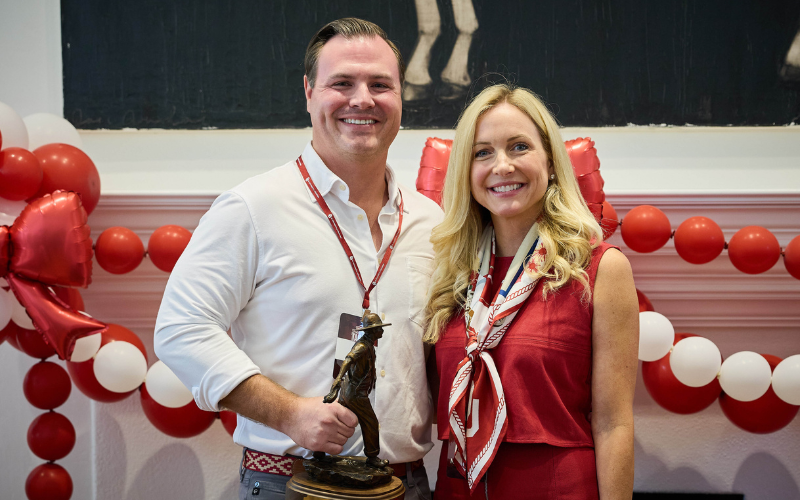
The University of Oklahoma has received a transformative gift from Jon and Shannon McCartney, which will name the McCartney Family Tunnel of Champions, the McCartney Family Gate of the Gaylord Family - Oklahoma Memorial Stadium and the McCartney Family Grand Lecture Hall in the Michael F. Price College of Business. The gift will also support the Inspiring Champions and the Athletic Director’s Discretionary Fund, in addition to establishing the McCartney DFW Career Trek program at Price College.
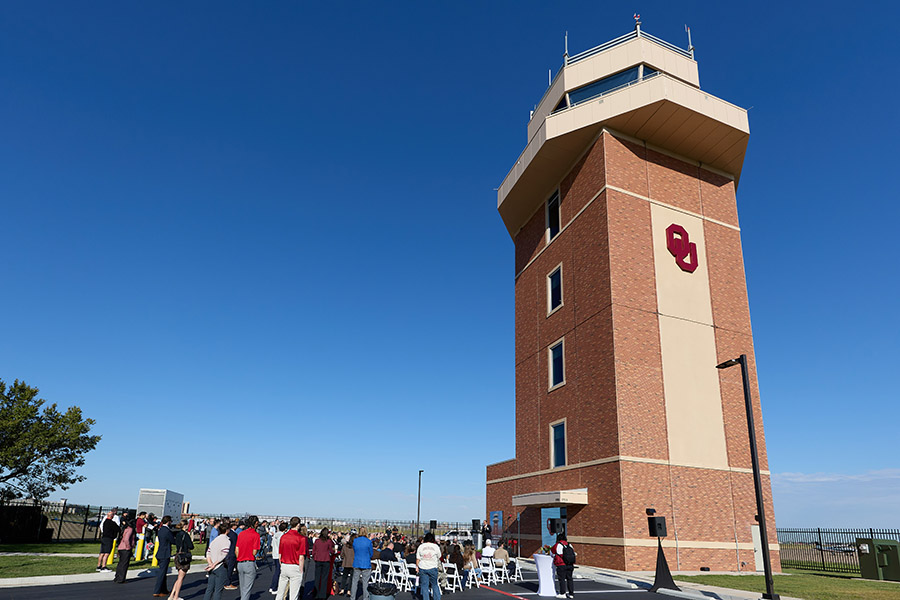
The University of Oklahoma today celebrated the opening of a new air traffic control tower at the OU Max Westheimer Airport. Standing 106 feet tall, more than double the current 52-foot facility, the new tower will modernize air traffic control operations and improve safety for pilots and students operating in the airspace.
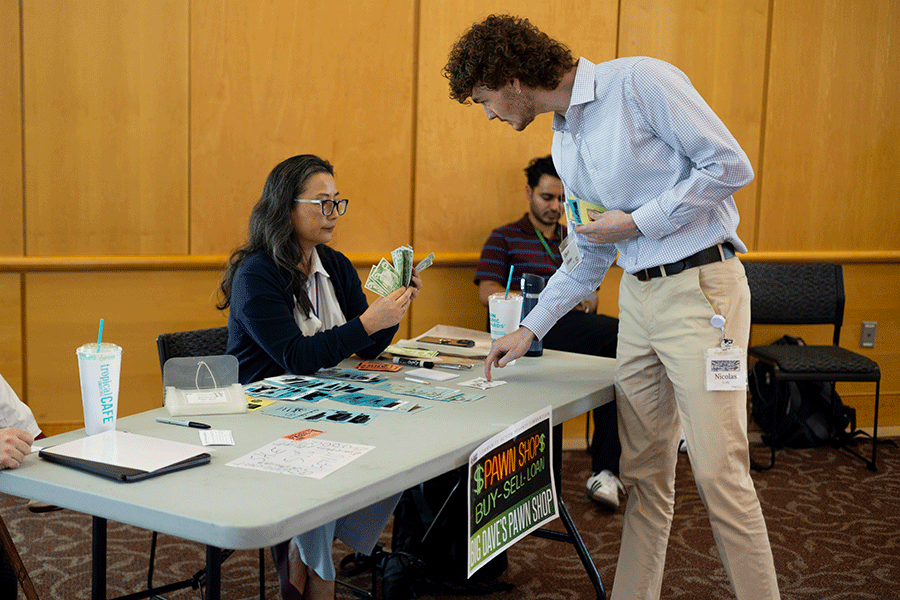
Do I buy groceries or pay the electric bill? Should I pawn some of my belongings to afford my prescription? My child is sick, so I will have to miss work to take care of him. Those are just a few of the difficult choices that OU-Tulsa health professional students confronted during the Community Access to Resources Experience. The role-playing activity challenged students to navigate the financial, family and other pressures that can affect a person’s health and ability to follow medical advice. Held annually during the SCM Institute orientation week, the experience is designed to generate understanding and build empathy.