NEWS


NORMAN, OKLA. – University of Oklahoma associate professor Sarah Hines has received a grant from the U.S. National Science Foundation for research into Indigenous ecological knowledge in the Bolivian highlands.
“I plan to examine the environmental and social histories of the Aymara communities of the highlands and Andes Mountains outside of the city of La Paz, the capital of Bolivia, from the end of the Little Ice Age in the mid-19th century to the present,” Hines said. “During this time, this region experienced warming temperatures, leading to glacial retreat and agricultural issues.”
Climate change is at the center of this research and this area was chosen specifically because of the visual evidence of glacial retreat over the last 40 years.
“We’ve seen recent interest in traditional ecological knowledge and the impacts of climate change on Indigenous people and other vulnerable groups,” she said. “However, we don’t know much about the longer, deeper experiences of climate change since the end of the Little Ice Age, which impacted this region from the 1600s to the mid-1800s. That’s one of the motivating factors of this project.”
Hines also plans to examine the history of Indigenous communities’ relationship to the Andes Mountains themselves with a focus on transportation, mining, plants and trees, animals, water and glaciers.
“There was a road building boom at the turn of the twentieth century at the same time Indigenous people were dispossessed of their lands by the state and landowners. A new version of a colonial draft labor system was employed to develop the roads where poor Indigenous men were forced to work while non-Indigenous men paid a tax,” she said. “This was aimed at developing export agriculture and attracting European immigrants and investors to the area, both of which further exasperated racialized oppression.”
Bolivia, and its connections to the broader world, have fascinated Hines for decades and now drives her research focus.
“We can see how climate change is impacting areas of the world in different ways, from flash flooding and glacial retreat to water scarcity and agricultural challenges. This place is experiencing these issues in a very visible way,” she said. “By focusing on communities that have deep relationships to the land, we can center the ethical issues of these impacts – and that’s very important.”
Learn more about Hines’ research, including her first research book on Bolivia, Water for All: Community, Property, and Revolution in Modern Bolivia.
About the project
Hines is an associate professor of history in the Dodge Family College of Arts and Sciences at the University of Oklahoma. Her project, “Indigenous Experiences of Environmental Changes in Historical Perspective,” is funded by a $124,434 grant from the National Science Foundation’s Science and Technology Program Senior Research Awards, award no. 2416656. It began in Aug. 2024 and is expected to conclude in July 2026.
About the University of Oklahoma
Founded in 1890, the University of Oklahoma is a public research university located in Norman, Oklahoma. As the state’s flagship university, OU serves the educational, cultural, economic and health care needs of the state, region and nation. OU was named the state’s highest-ranking university in U.S. News & World Report’s most recent Best Colleges list. For more information about the university, visit ou.edu.
The University of Oklahoma College of Medicine has honored two residents with the Lloyd Rader Award, which recognizes outstanding clinical and research achievements in residency.
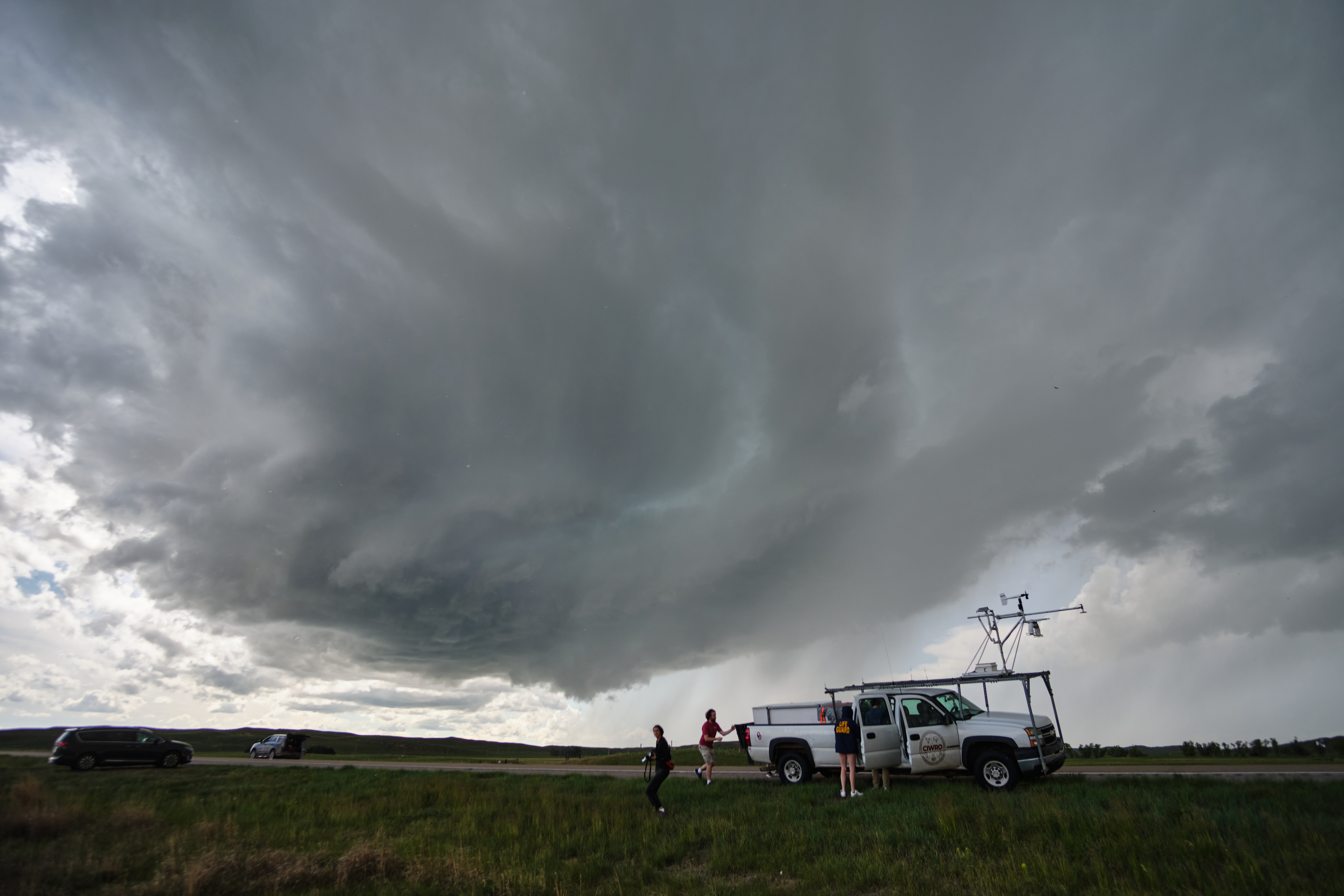
The University of Oklahoma will receive up to $220 million over five years from the U.S. Department of Commerce and the National Oceanic and Atmospheric Administration to continue the life-saving weather research led by the OU-NOAA Cooperative Institute for Severe and High-Impact Weather Research and Operations, extending a nearly 50-year partnership that has helped give Americans earlier, more accurate weather warnings
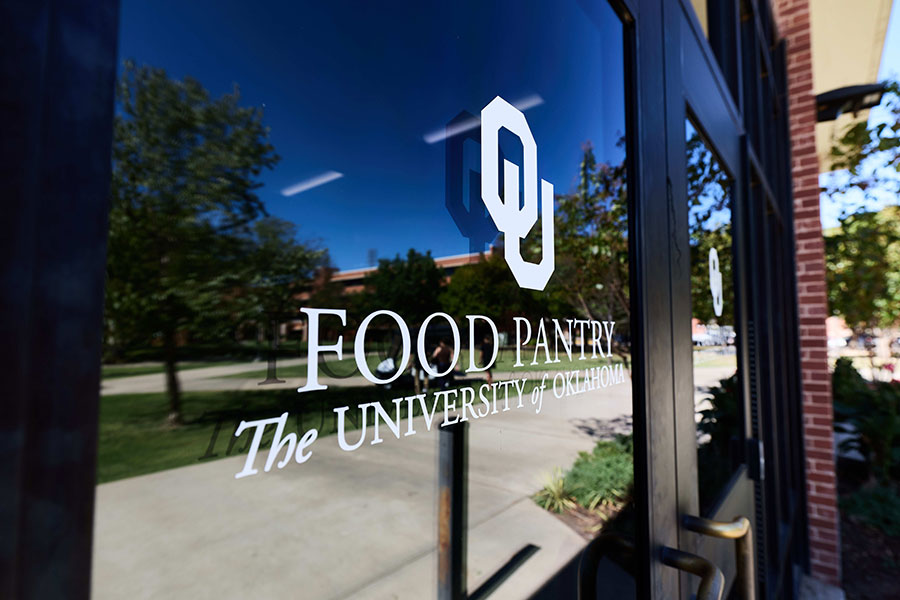
The OU Food Pantry won the annual Red River Food Fight, collecting 31,815.9 pounds of shelf-stable food and drinks to top UT Outpost’s 22,567 pounds. OU has won the competition four years in a row.