NEWS

Date
OKLAHOMA CITY, OKLA. – The University of Oklahoma Health Sciences has been awarded a grant from the National Endowment for the Humanities to engage with the descendants of American Indian individuals who were incarcerated at Fort Marion in Florida during the 1870s. Formerly known as Castillo de San Marcos, Fort Marion served as a government internment site for American Indians at least four times.
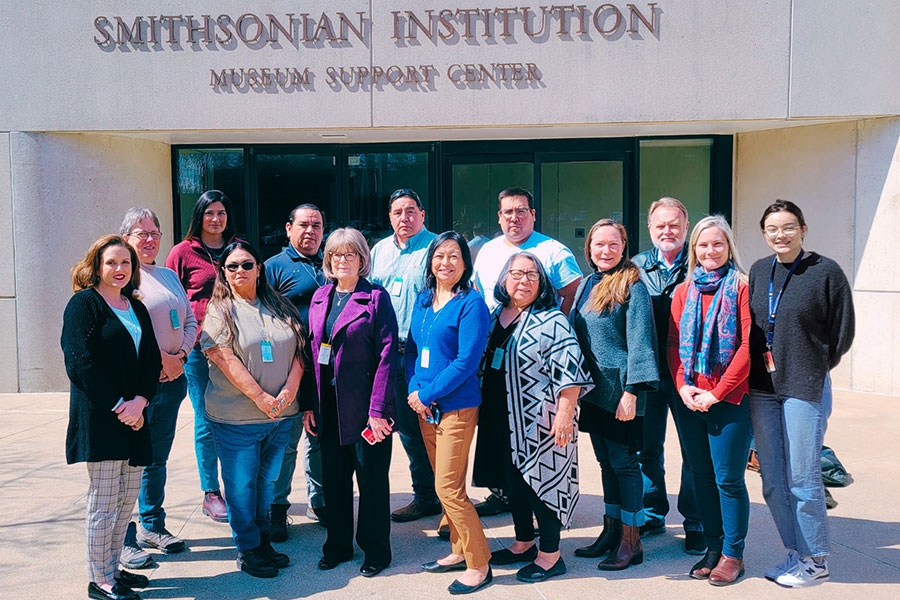
Dolores Subia BigFoot, project director and OU Health Sciences faculty member, is the principal investigator for this grant. She is actively seeking descendants of those affected to share their stories at an upcoming event scheduled March 25-27 at OU Health Sciences in Oklahoma City. The $50,000 award will facilitate a gathering of descendant families to discuss the historical impact of this incarceration over the past 150 years.
“The goal is to raise awareness about the Fort Marion POWs who were held there from 1875 to 1878. While some descendants are familiar with aspects of this history, many know very little,” BigFoot said. She mentioned that her ancestor, including her late husband’s ancestor, were among those incarcerated during this period.
Among the notable figures from this history is Medicine Water, a leader of the Cheyenne Bowstring Society, who, along with his wife Mo-Chi, was identified as a key figure opposing U.S. military encroachment. “Of the 72 POWs, they were the only couple held together in chains. Those sent to Fort Marion included members from the Kiowa, Arapaho, Caddo, Cheyenne, and Comanche tribes,” BigFoot explained. She described the harsh conditions faced by prisoners, including periods spent in isolation in a dungeon.
Fort Marion was originally constructed by the Spanish in the 1500s and has undergone significant changes throughout its history. BigFoot reported that the fort was reconstructed in the 1600s using coquina, a sedimentary rock composed of ancient shells, known for its durability.
The overall project, titled “Calling Back the Spirits: A Healing Journey,” includes the Convening as one component, other components will be an exhibit, book, and events involving descendants. The NEH grant supports the convening as an opportunity for families to learn more about the impact of that period in history while fostering a healing environment and promoting awareness of family stories. The event is scheduled for March 2025 at the OU Health Sciences Nicholson Tower. For more information, please visit the Indian Country Child Trauma Center website at icctc.org.
About the University of Oklahoma
Founded in 1890, the University of Oklahoma is a public research university located in Norman, Oklahoma. As the state’s flagship university, OU serves the educational, cultural, economic and health care needs of the state, region and nation. For more information about the university, visit www.ou.edu.
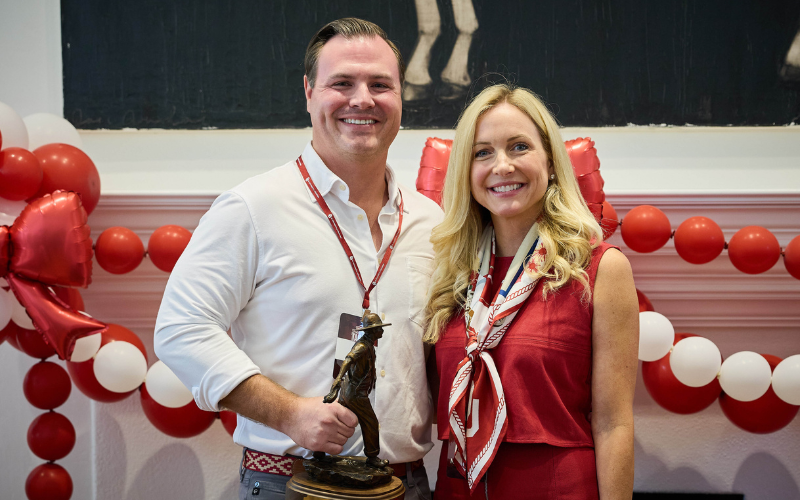
The University of Oklahoma has received a transformative gift from Jon and Shannon McCartney, which will name the McCartney Family Tunnel of Champions, the McCartney Family Gate of the Gaylord Family - Oklahoma Memorial Stadium and the McCartney Family Grand Lecture Hall in the Michael F. Price College of Business. The gift will also support the Inspiring Champions and the Athletic Director’s Discretionary Fund, in addition to establishing the McCartney DFW Career Trek program at Price College.
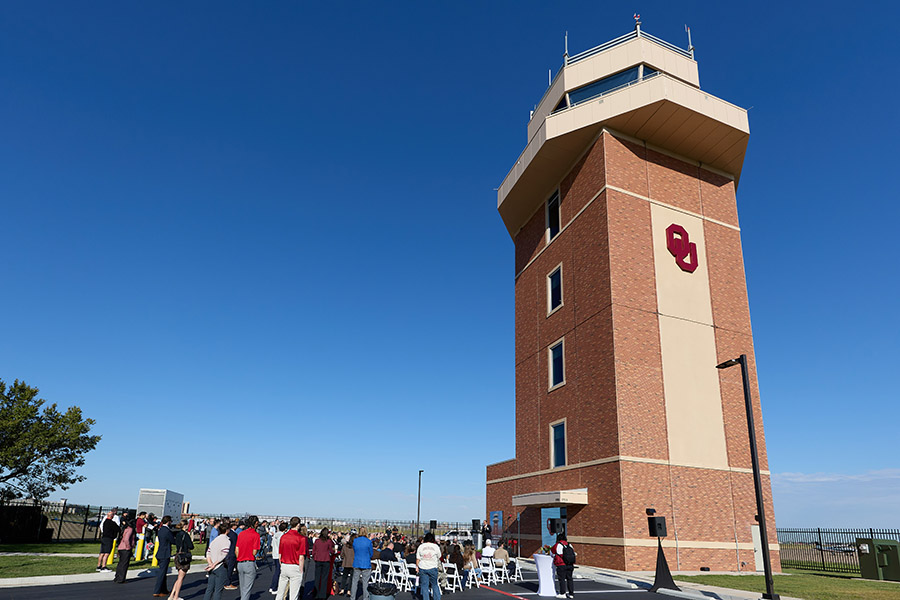
The University of Oklahoma today celebrated the opening of a new air traffic control tower at the OU Max Westheimer Airport. Standing 106 feet tall, more than double the current 52-foot facility, the new tower will modernize air traffic control operations and improve safety for pilots and students operating in the airspace.
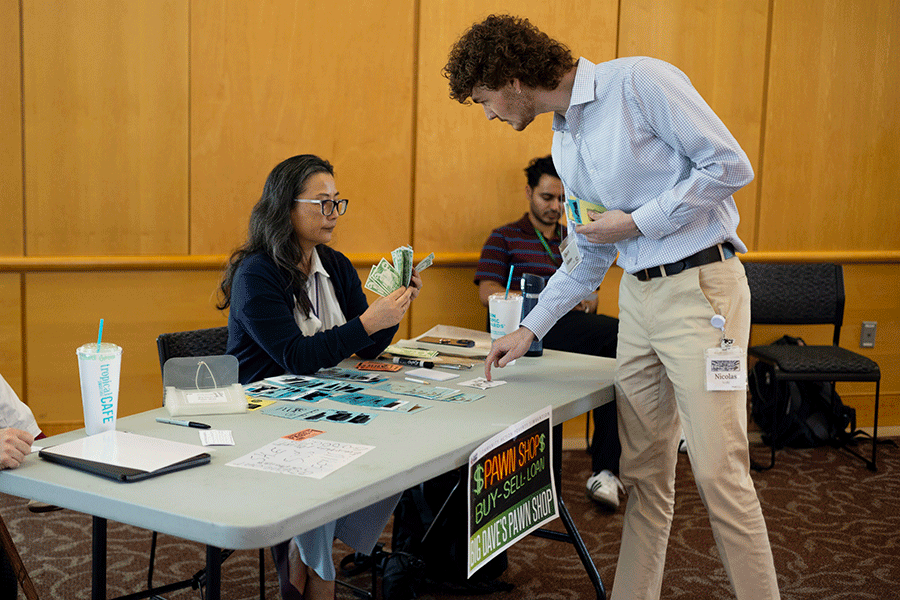
Do I buy groceries or pay the electric bill? Should I pawn some of my belongings to afford my prescription? My child is sick, so I will have to miss work to take care of him. Those are just a few of the difficult choices that OU-Tulsa health professional students confronted during the Community Access to Resources Experience. The role-playing activity challenged students to navigate the financial, family and other pressures that can affect a person’s health and ability to follow medical advice. Held annually during the SCM Institute orientation week, the experience is designed to generate understanding and build empathy.