OU researchers pursue discovery in areas that shape our shared future. Our strategic focus areas are informed by our excellence and the needs of the state. Explore the university’s strategic focus areas below.

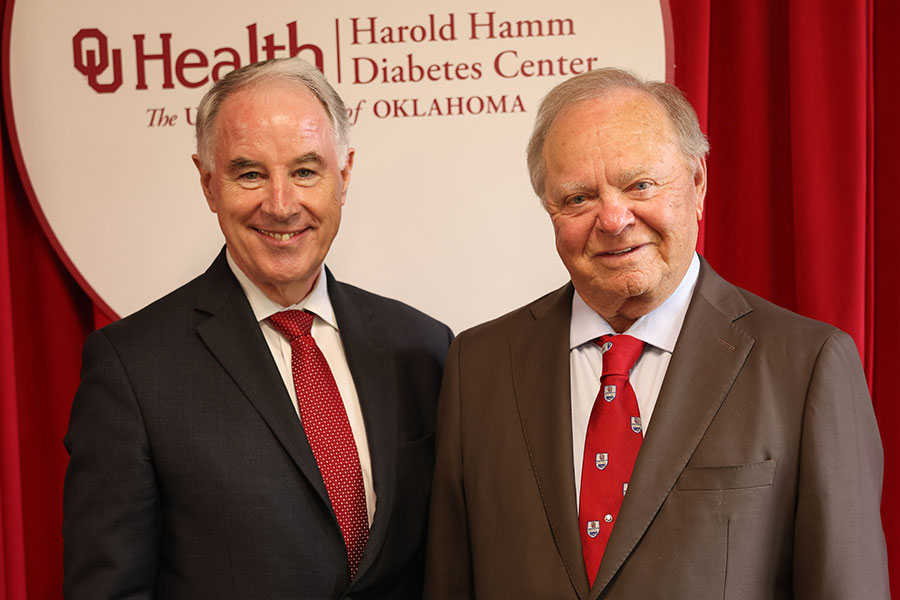
Building on its two-decade journey from a philanthropic vision to a worldwide research enterprise committed to preventing, treating, and curing diabetes, the University of Oklahoma Health Harold Hamm Diabetes Center has named John P. Kirwan, Ph.D., FACSM, a world-leading translational scientist, as its next director, effective Sept. 1, pending approval from the OU Board of Regents.
As childhood obesity and diabetes continue to rise worldwide, a researcher at the University of Oklahoma is investigating whether a simple addition to a breastfeeding mother’s diet – chia seeds – could help lower a child’s future risk of these conditions while improving the mother’s own health.
Obesity may change how early-stage breast cancer becomes invasive, according to a study by University of Oklahoma researchers published in The American Journal of Pathology.
The TSET Health Promotion Research Center (HPRC) within the National Cancer Institute-Designated OU Health Stephenson Cancer Center at the University of Oklahoma Health Campus (OUHC) has awarded four FY27 seed grants to support innovative research aimed at improving the health of Oklahomans.
A University of Oklahoma data scientist has created a free research tool to facilitate this process. Called ECHO – Evaluation of Chat, Human Behavior, and Outcomes – the open source, low-code platform enables scholars to design and run behavioral experiments involving conversational AI, Web search and human-AI interaction.
The University of Oklahoma today announced Project 200, a generational investment in research, talent and infrastructure designed to move Oklahoma forward by strengthening the health of its people, growing the state’s economy and expanding opportunity for the future.
The University of Oklahoma Jeannine Rainbolt College of Education is launching a powerful new initiative aimed at strengthening special education leadership across the state.
Researchers from the University of Oklahoma’s Gallogly College of Engineering are helping address logistical and safety challenges on American roadways throough a major research project backed by federal funding.
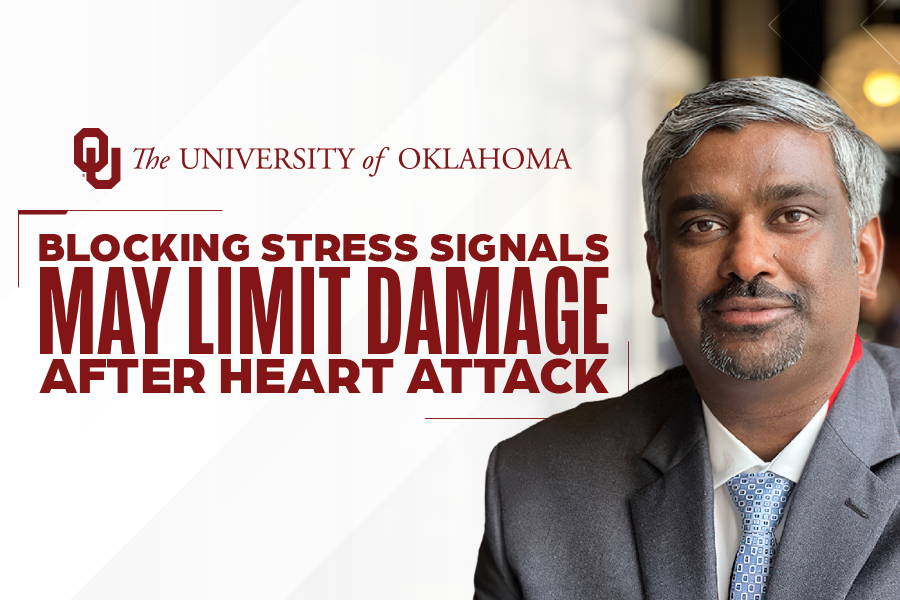
After a heart attack, the body rapidly floods the injured heart with neutrophils — white blood cells that help repair damage but can also make it worse when too many arrive too quickly. The discovery also identifies a potential way to limit their harmful surge.
Although often considered a disease of the past, leprosy remains a global health issue, causing preventable disability due to delayed diagnosis and gaps in care. In a paper published in The Lancet, a professor of infectious diseases from the University of Oklahoma College of Medicine calls for stronger awareness, earlier detection and improved long-term management.
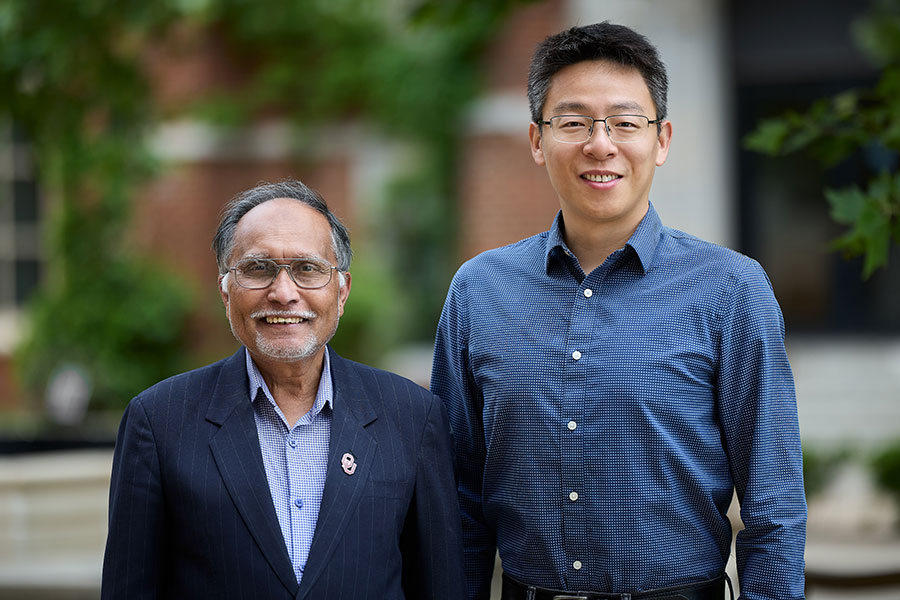
A study published today in PLOS Medicine has identified two new genetic pathways that contribute to cardiometabolic disease, which includes heart disease, obesity and diabetes. The research, led by Dharambir Sanghera, Ph.D., of the University of Oklahoma, represents a step toward targeting the diseases more precisely.
Researchers from the Hydrometeorology and Remote Sensing (HyDROS) Laboratory at the University of Oklahoma published a review synthesizing 50 years of geostationary satellite meteorology, from the launch of the first Geostationary Operational Environmental Satellite (GOES-1) in 1975 to the present-day GOES-19.
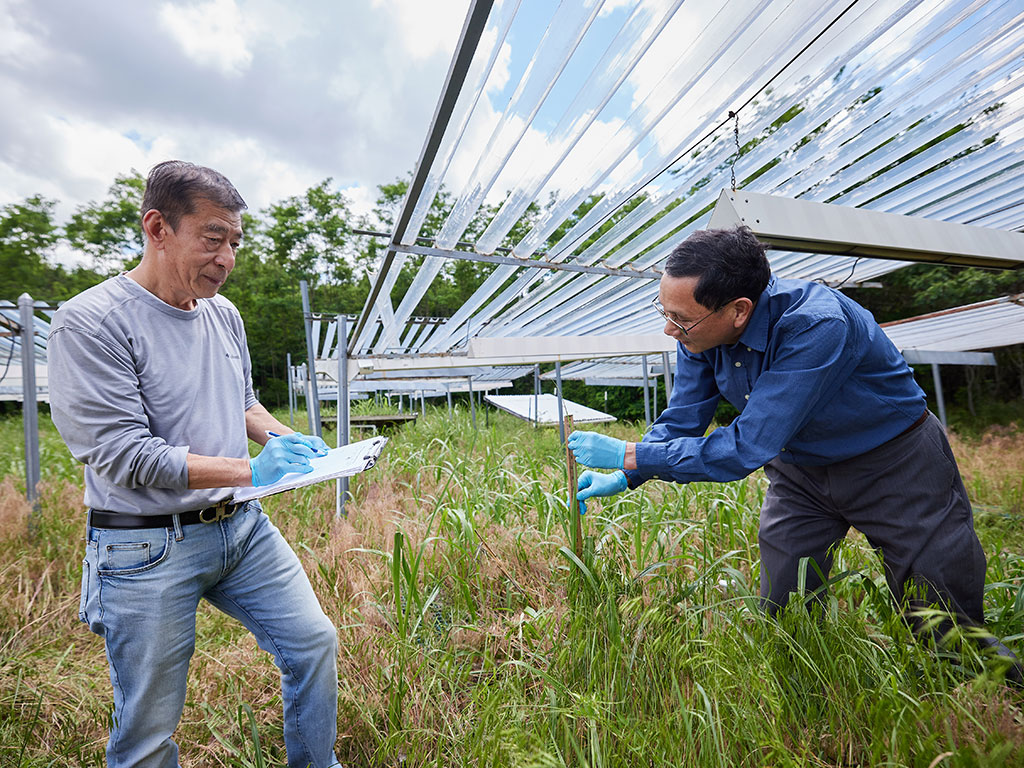
A new University of Oklahoma study — the first of its kind conducted in a real-world field setting over more than a decade — finds that sustained warming significantly increases the abundance, diversity and mobility of antibiotic resistance genes in soil.
University of Oklahoma graduate student Ann Gettys is leading a major national initiative to transform research on rare lung diseases, thanks to a new funding award to the Children’s Interstitial and Diffuse Lung Disease (chILD) Foundation.
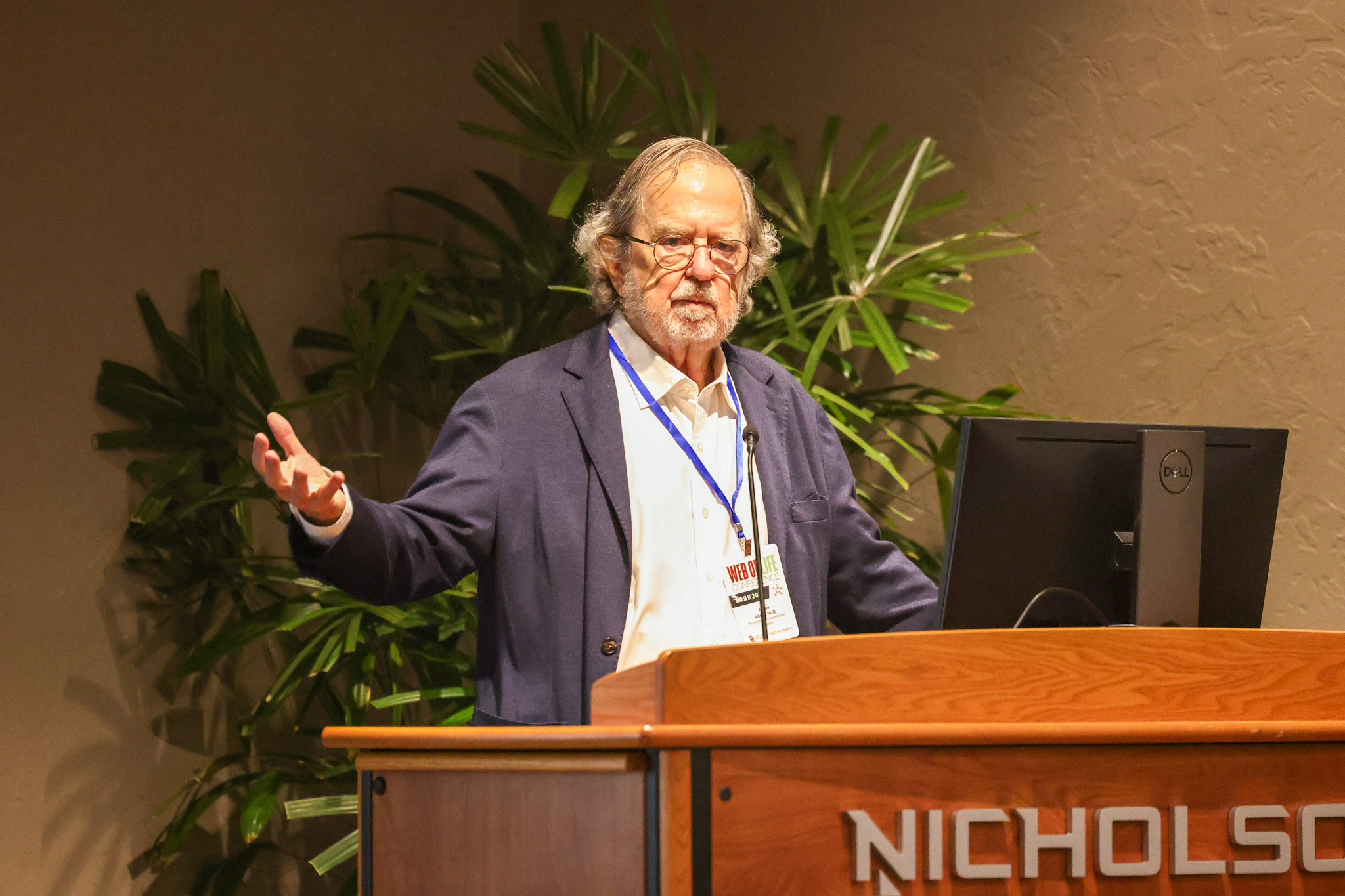
Scientists from a wide range of disciplines – including four Nobel Prize winners – gathered at the University of Oklahoma’s Web of Life Conference to spark interdisciplinary collaborations aimed at tackling complex diseases.