
A new study from the University of Oklahoma reveals that public attitudes toward municipal wastewater reuse in Oklahoma are more favorable than previously assumed, including in regions with politically conservative populations.
Conducted by researchers at the Institute for Public Policy Research and Analysis (IPPRA), the study surveyed over 2,600 Oklahomans to understand which factors influence support for wastewater reuse—a strategy that treats and repurposes water from homes and businesses to supplement freshwater supplies. While wastewater reuse has long been considered a politically and socially sensitive topic, the findings indicate that practical concerns such as water availability, program cost, safety, and institutional trust are far more influential in shaping public opinion than emotional or psychological aversions like the “yuck factor.”
These results come at a time when Oklahoma, like many states, faces growing pressure on its freshwater resources due to climate variability, population growth, and prolonged drought conditions. Rather than pursuing costly alternatives like desalination or water transfers, state policymakers have increasingly prioritized advanced treatment and water reuse technologies to bolster supply. This research provides timely data to inform those efforts, showing that public support exists—even in regions typically resistant to environmental innovation.
The study also examined how demographic and belief-based factors shape support. While variables like age, education, income, and residence type did influence responses to some degree, they were less significant predictors than trust in institutions, risk perceptions, and political ideology. Notably, individuals with more moderate political views and higher trust in water management agencies were more likely to support reuse initiatives.
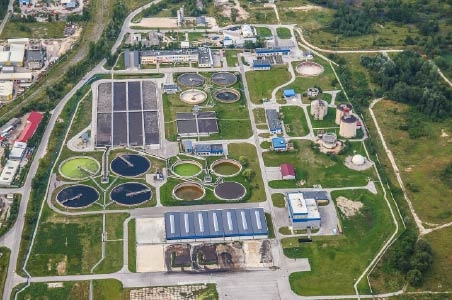
By integrating a broad range of psychological, contextual, and demographic factors, the study offers a comprehensive framework for understanding public opinion in politically conservative settings. It suggests that effective implementation of wastewater reuse programs will require more than technological advancement—it will also demand strategic communication, public engagement, and trust-building between institutions and communities.
Though the research focused on Oklahoma, its implications are national and global in scope. As more regions confront worsening water scarcity, the study highlights the importance of tailoring outreach and policy strategies to address the specific concerns and values of local populations. By doing so, municipalities can build the public support necessary for long-term sustainability and climate resilience.
The study, linked here, was funded by the National Science Foundation and contributes a valuable baseline for future research, while also offering actionable insights for policymakers, water agencies, and environmental planners across the United States.
