A message from Dr. Amber N. Wiley, director of the OU Institute for Quality Communities.
Dear Placemaking Community,
I hope this email finds you well. I am excited to introduce myself as the new Director of the Institute for Quality Communities. It is an honor to join this organization and contribute to its mission of fostering vibrant, sustainable, and thriving communities throughout the state of Oklahoma.
As an Oklahoma-raised historian and preservationist, I have advocated for better preservation policy and practice in local, federal, and international settings. This includes consulting on and curating exhibitions at the National Building Museum in Washington, DC and Rutgers University in New Jersey, developing preservation programs and interpretation for National Historic Landmarks (NHL) in Philadelphia and across the country, and serving as a policy advisor for the National Park Service NHL program.
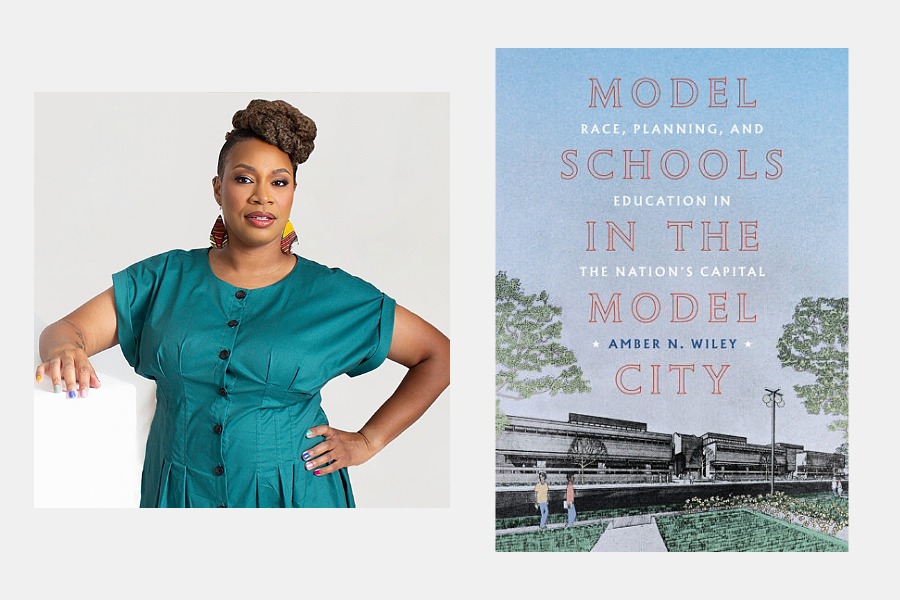
My scholarship covers African American and African diasporic cultural heritage, urbanism in New Orleans, school design, urban renewal, and preservation policy. My book, Model Schools in the Model City, will be released by the University of Pittsburgh Press this April.
I am eager to bring my professional experience to collaborations with our partners, stakeholders, and community leaders to build on IQC’s strong foundation. I have already enjoyed site visits with community partners in Oklahoma City, Taft, Sallisaw, and Westville, and look forward to maintaining existing relationships as well as fostering new ones.
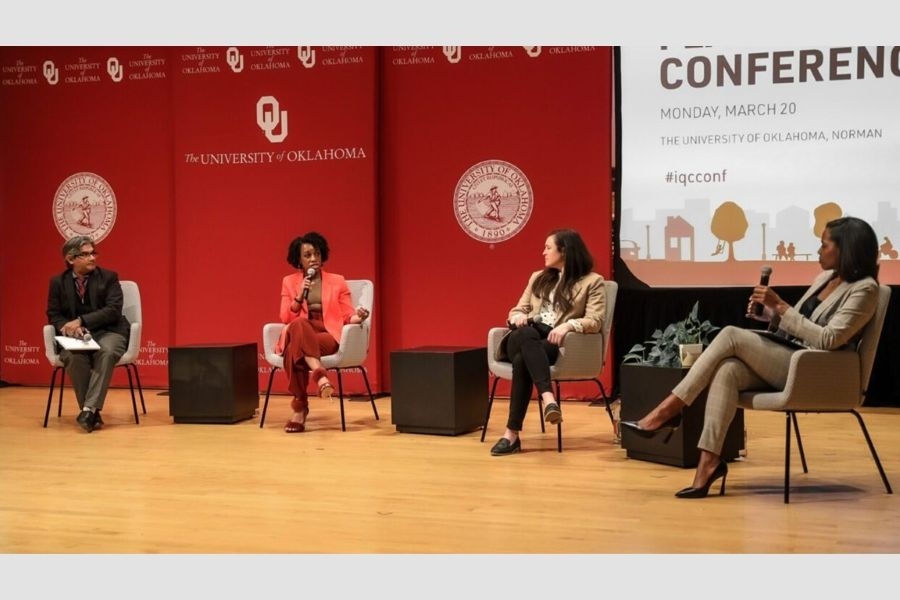
As you know, two of our cornerstone programs at the IQC are the Placemaking Conference and the Community Assistance Projects. I understand this already great excitement expressed about both for this year. Unfortunately, given the timing of my transition into the IQC, I have made the difficult decision to forgo the Placemaking Conference this spring 2025, looking to resume it in spring 2027. While I know this news is disappointing to many, we remain committed to providing valuable opportunities for learning, collaboration, and community impact.
To that end, please stay tuned for the launch of our Request for Proposals (RFP) process for the Community Assistance Projects later this month. Expect a separate communication with more information including the RFP process timeline. We encourage municipalities, organizations, and community groups to apply for assistance with projects. Check out the project library for dozens of examples.
I look forward to connecting with you in the coming weeks and months to learn more about your perspectives and explore ways we can work together. Please feel free to reach out at any time—I would love to hear your thoughts and ideas.
Best,
Amber N. Wiley, Ph.D.
Director, Institute for Quality Communities
Christopher C. Gibbs College of Architecture
The University of Oklahoma
https://iqc.ou.edu
Photograph courtesy of SIKE Images.
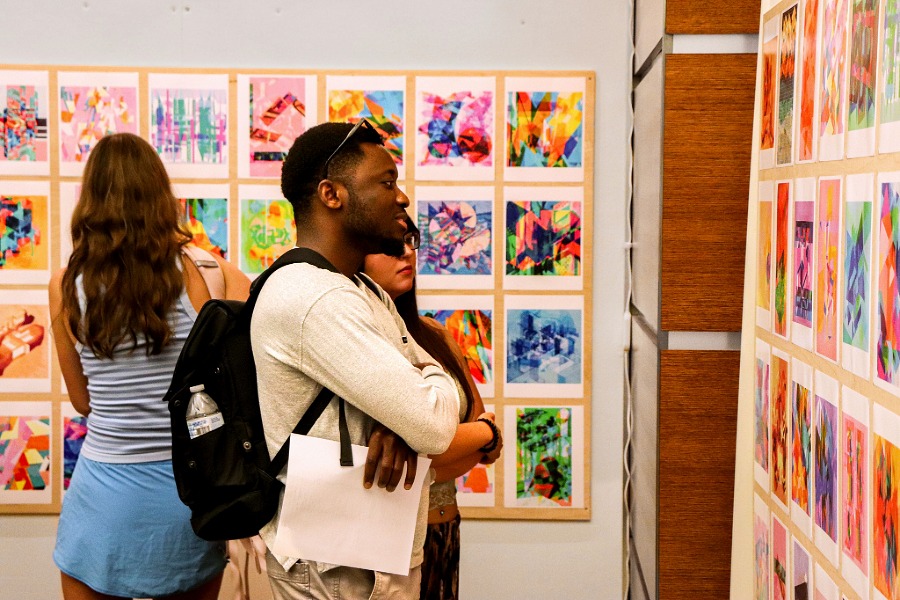
Gibbs College is pleased to present the exhibition 200 Digital Drawings by Professor Tiziana Proietti, currently on display in the Gould Hall Living Room.
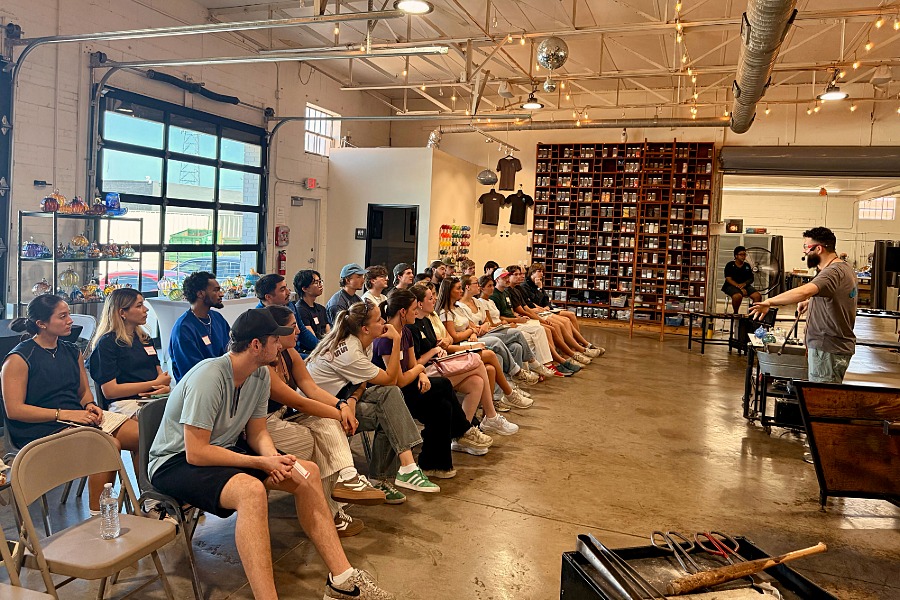
Gibbs College of Architecture Professors Amber Brown and Amy Leveno led 29 students to Dallas, Texas, in September for a learning experience as part of their Design 7 Studio course.
Christopher C. Gibbs College of Architecture professor and Institute for Quality Communities Director Dr. Amber N. Wiley’s book, Model Schools in the Model City: Race, Planning, and Education in the Nation’s Capital, has received two major honors from the Urban History Association.