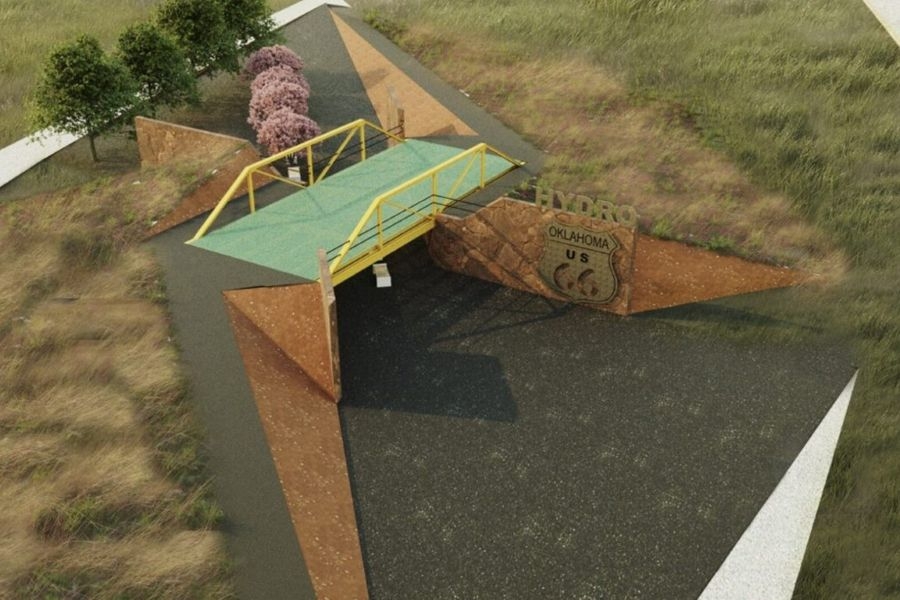
A design produced by Ocra-Projects, founded by architecture professor Andrew Stone, has been awarded a $500,000 grant from the Oklahoma Department of Commerce ahead of the Route 66 Centennial. Located in Hydro, Oklahoma, the project celebrates the Mother Road’s milestone by transforming a repurposed bridge into an interactive, land-based monument that offers a unique experiential journey along the historic highway.
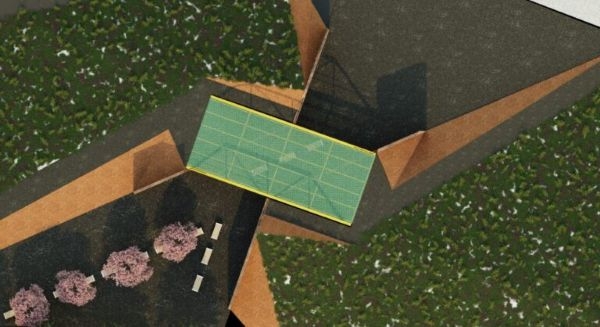
Top view of monument.
The new Hydro monument transforms an old bridge into an immersive experience through nature, history and community. It moves away from machine-oriented experiences, bringing nature back into recreation. The aim is to reconnect visitors and communities with the historic significance of the Mother Road while allowing locals to discover the community spirit that once defined Route 66. Revitalizing these routes and landmarks sparks renewed interest in western Oklahoma and small communities like Hydro. It encourages locals to see repurposing artifacts like the bridge as a way to boost the economy and visitor experience through placemaking.
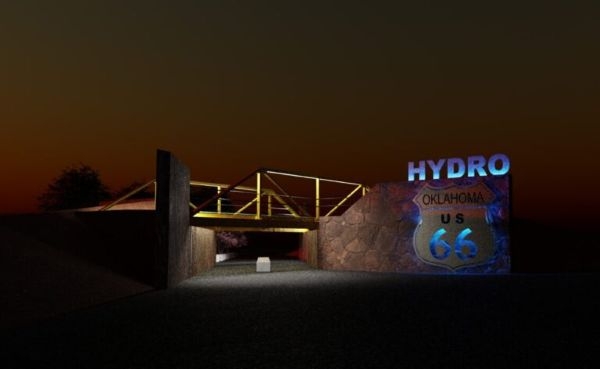
Accentuated view of monument.
day, there’s often a stark divide between urban and rural spaces, with rural areas seen as relics of a ghosted past or romanticized in association with untouched nature. Rural areas are functional landscapes operating at the service of urban centers, often with a cost to local communities and their environment. This perspective on rural spaces as a distant, anonymous center, that is driven by commodity rather than community, overlooks the contributions they bring. A broader understanding could help bridge that divide and foster a more integrated view of rural areas and allow small communities like Hydro to thrive.
The design references the nuances of the prairie landscape, tying it back to the local environment. A lookout point over Hydro will be available from the top of the bridge accompanied by a canyon-embedded rest area. Contrasting the typical car-based experience, the monument allows visitors to engage with the site through tactile and visual senses. They are invited to explore on foot to create a deeper connection with the bridge and surrounding landscape.
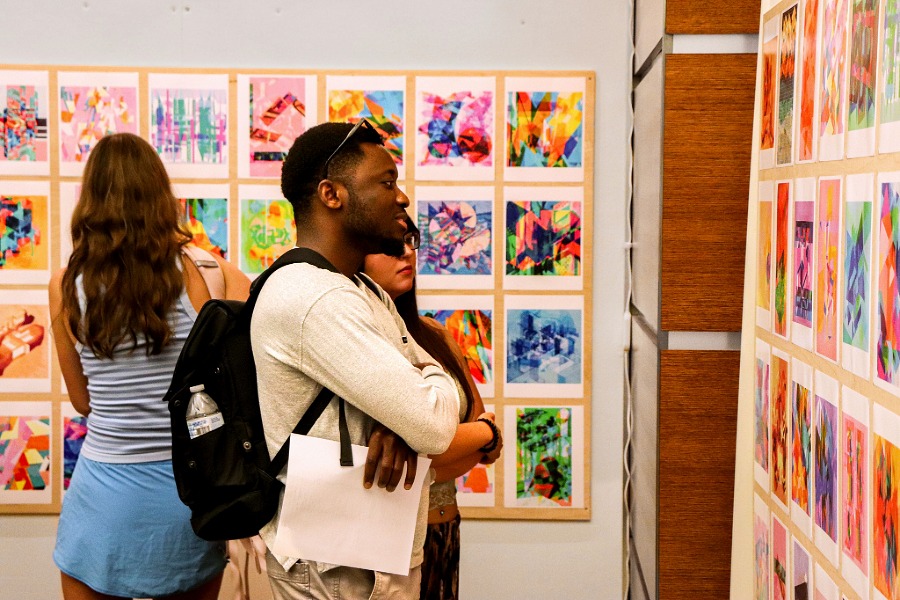
Gibbs College is pleased to present the exhibition 200 Digital Drawings by Professor Tiziana Proietti, currently on display in the Gould Hall Living Room.
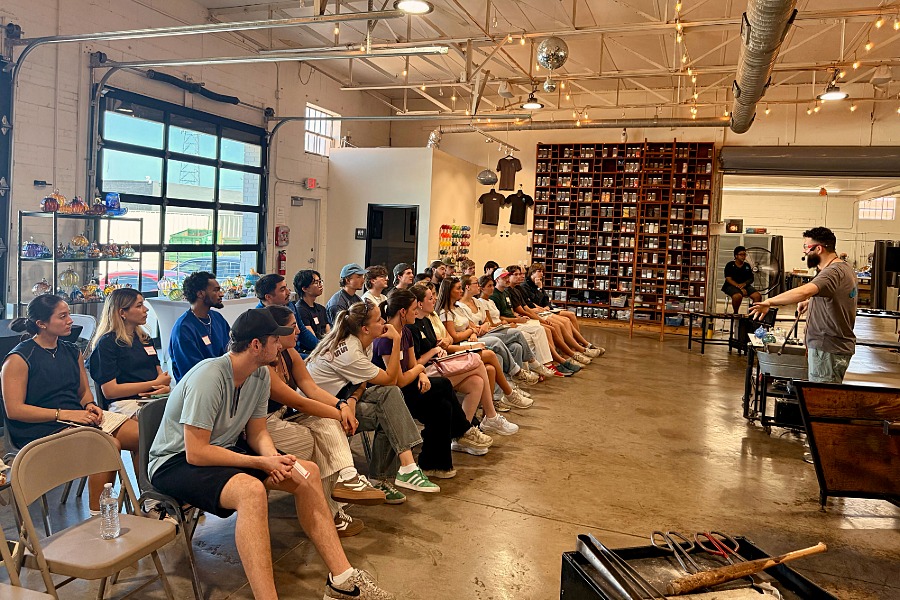
Gibbs College of Architecture Professors Amber Brown and Amy Leveno led 29 students to Dallas, Texas, in September for a learning experience as part of their Design 7 Studio course.
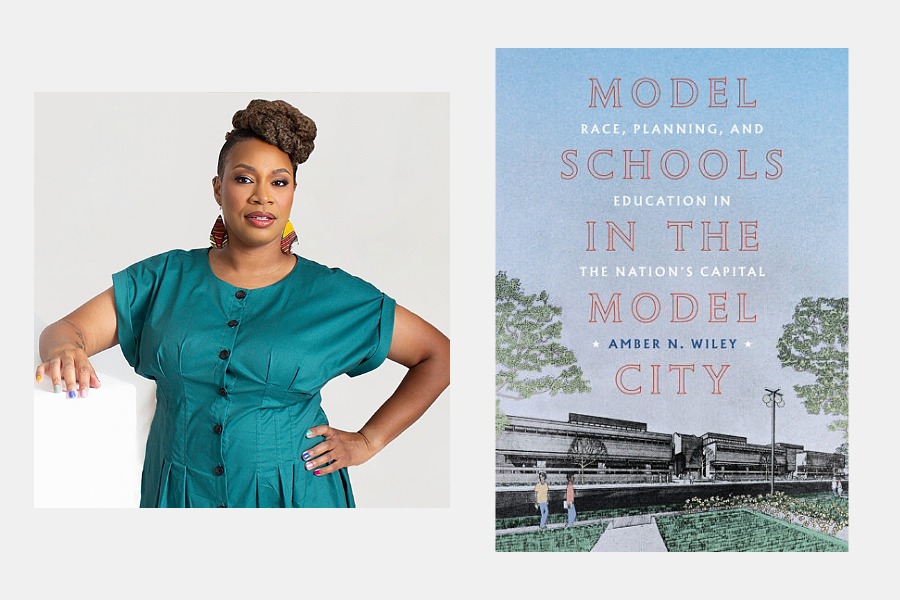
Christopher C. Gibbs College of Architecture professor and Institute for Quality Communities Director Dr. Amber N. Wiley’s book, Model Schools in the Model City: Race, Planning, and Education in the Nation’s Capital, has received two major honors from the Urban History Association.