Salma Akter Surma, a Ph.D. candidate at Gibbs College has co-authored a study published in the Journal of Urban Management. The research investigates the experiences of women in urban informal settlements of Khulna, Bangladesh, during the COVID-19 pandemic, with a focus on how housing infrastructure influenced caregiving responsibilities.
The study draws on interviews with 24 women community leaders to explore the impact of shared Water, Sanitation, and Hygiene (WASH) facilities, constrained living spaces, and financial challenges on women’s caregiving roles. It details the adaptations these women made, such as reorganizing household spaces for isolation and utilizing community networks to manage caregiving and resource distribution during the pandemic. The findings highlight the role of inadequate housing in exacerbating caregiving challenges and underscore the importance of flexible and resilient infrastructure planning in resource-limited settings.
Additionally, the research examines the unique contributions of women as community leaders, who facilitated resource sharing, managed public health interventions, and addressed vulnerabilities during the crisis. Their efforts were central to navigating pandemic-induced hardships in the settlements.
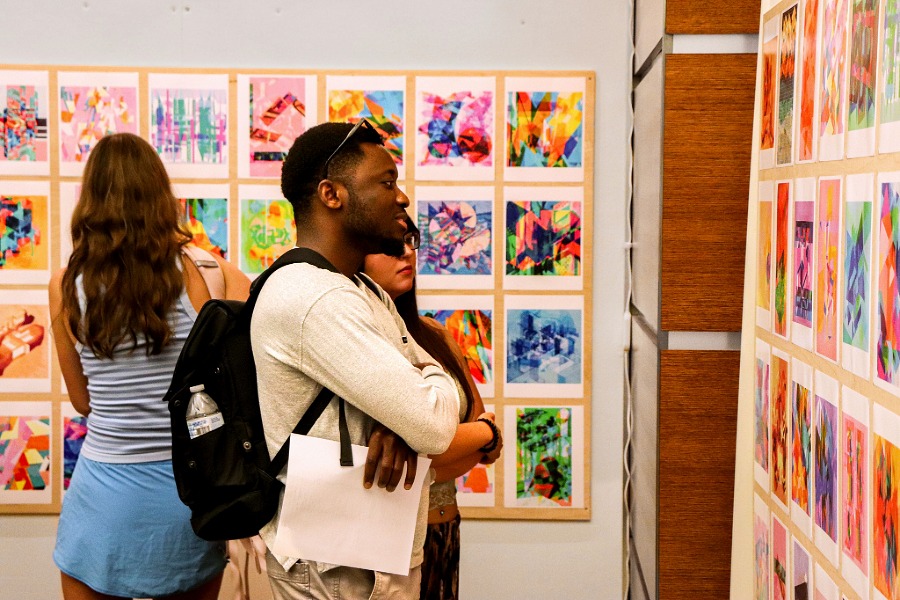
Gibbs College is pleased to present the exhibition 200 Digital Drawings by Professor Tiziana Proietti, currently on display in the Gould Hall Living Room.
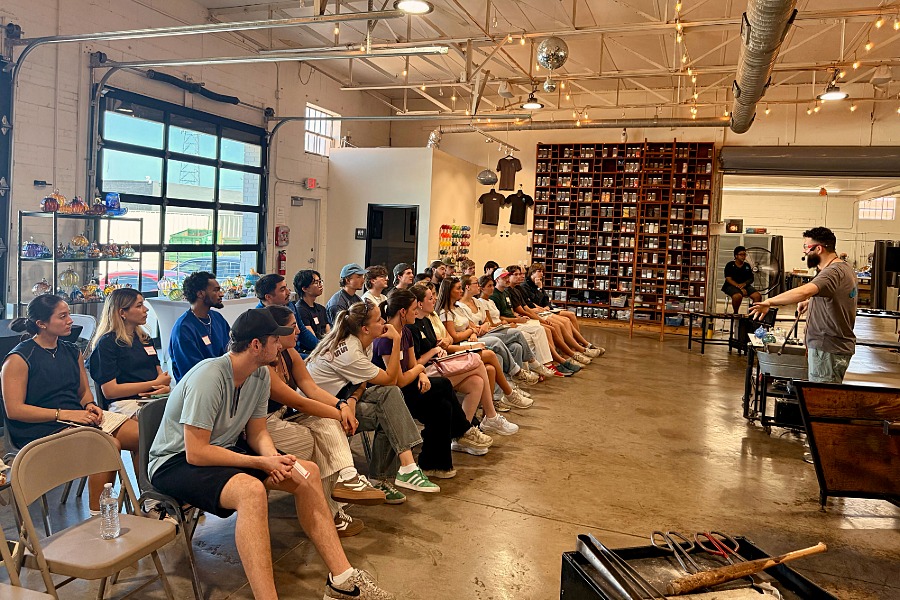
Gibbs College of Architecture Professors Amber Brown and Amy Leveno led 29 students to Dallas, Texas, in September for a learning experience as part of their Design 7 Studio course.
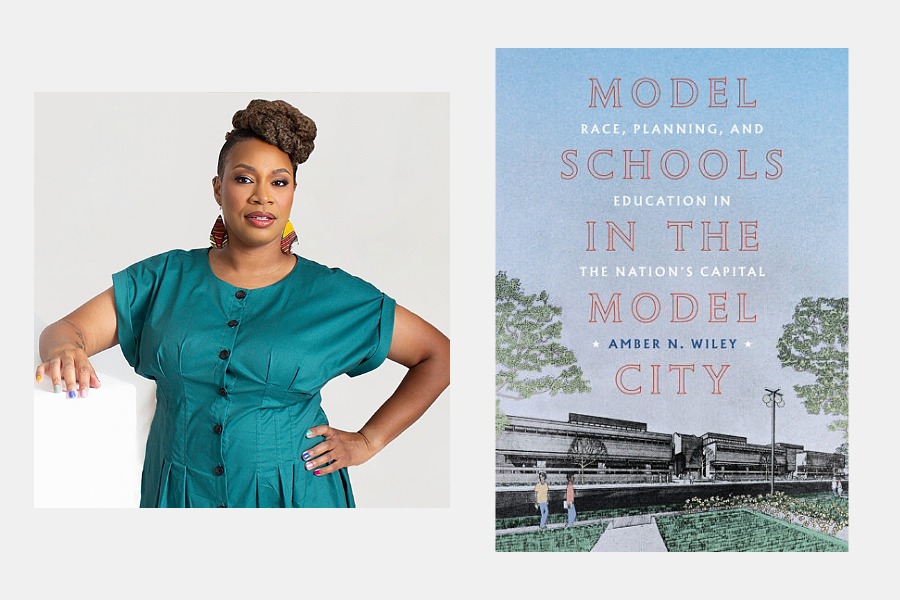
Christopher C. Gibbs College of Architecture professor and Institute for Quality Communities Director Dr. Amber N. Wiley’s book, Model Schools in the Model City: Race, Planning, and Education in the Nation’s Capital, has received two major honors from the Urban History Association.