Date
The Gibbs College of Architecture offers an impressive range of graduate programs. We sat down with Melisa Seward, a graduate student enrolled in the Master of Landscape Architecture (LA) program. We asked Melisa about her time in the program and how it has equipped her for success in her future career.
Read on for highlights or watch the full interview.
My name is Melisa Seward, and I have a bachelor’s degree in environmental design with architectural studies, and I am from a small-town Cache, Oklahoma. I am currently in the Master’s for Landscape Architecture.
So, in my undergrad, I actually started out in architecture, and did architecture for 3 years. Then, one of the professors told me about an intro to landscape architecture course, which, coming from small-town Cache, Oklahoma, it’s right next to the Wichita Mountains, and so I always enjoyed hiking growing up and being outside in nature. And when I learned about this course, I of course took it, and Leehu Loon, who used to work here as the director, he showed me what landscape architecture was and it kind of just fit for me.
Something I think I would tell, at least myself going into landscape architecture back when I first started, would probably be what one professor told me, which is, ‘Melisa, create the worst concept design you can think of.’ Because I, being myself at the time, was a perfectionist. And often people can really struggle with the idea of coming up with a good design. At the very beginning, you constantly are working to get to that perfect design. And something that no one really told me, until in my master’s degree, was to create the worst design because that’s a conversation piece, not only because you learn what is bad, but also what you think is bad could be thought of in another way. And I grew from that.
I would probably say the EPA RainWorks Competition we did in our second year, second semester. It was a competition about storm water systems and how you can use green infrastructure, which is something I’m interested in. We collaborated as a group in studio, and we came up with a design for OU’s campus to help with some ponding and run-off issues from parking lots that we then submitted to the EPA RainWorks Challenge. We didn’t win, but it was still a learning process which was great.
I would say getting to meet all of the OU students and getting to really collaborate with everyone and learn from them. I feel like people coming in from different backgrounds in your master’s program is really big, because you get different perspectives when you’re working on your projects in studio.
Kimley-Horn was very educational and very fast-paced, so it was definitely different than having time to work on your studio project and perfect it. So, it was a lot of AutoCAD training, which is very important. I learned a lot from that and also taking the collaboration side that you have from OU and really bringing it to Kimley-Horn, because they are a collaborative corporation, so they really like you to engage with each other.
I would say the networking aspect and working with each other to really build those relationships, because that’s important in the professional world to really gain more than just the educational side, but also the communicational side. OU has also helped me with technical programs such as Rhino, AutoCAD, and many things that you need to know when going into landscape architecture.
I actually signed my contract with Kimley-Horn a year in advance. So, when I graduate, I’ll be working with Kimley-Horn. But right now, I’m working on my graduate project, which is a collaboration with the Regional + City Planning studio. We are looking at Perkins, Oklahoma, and coming up with better community designs, and looking at recommendations for different designs for parks.
Definitely learning from each other is a big piece of advice, because of the people coming from different backgrounds. You really want to take their advice and get their perspective on things, because that helps your design progress and get better. Also, if a prospective student wants to, or is thinking about going into the LA program, then they can get in touch with some of the faculty that work here and get to know some of the people, or students, and maybe sit in on a studio course so they can really get involved and see what we actually do.
This transcript has been edited for clarity and length.
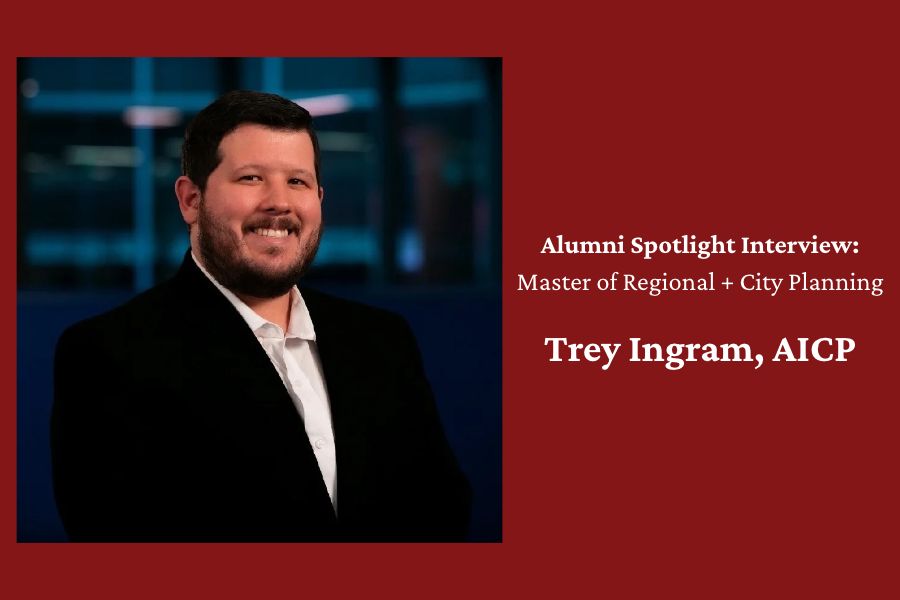
Planning, Landscape Architecture, and Design (PLAD) alumni Trey Ingram, AICP recently spoke with current PLAD student and graduate media assistant Molly Strobel to share his experiences with the Regional and City Planning program and current work with the Toyota Mobility Foundation.
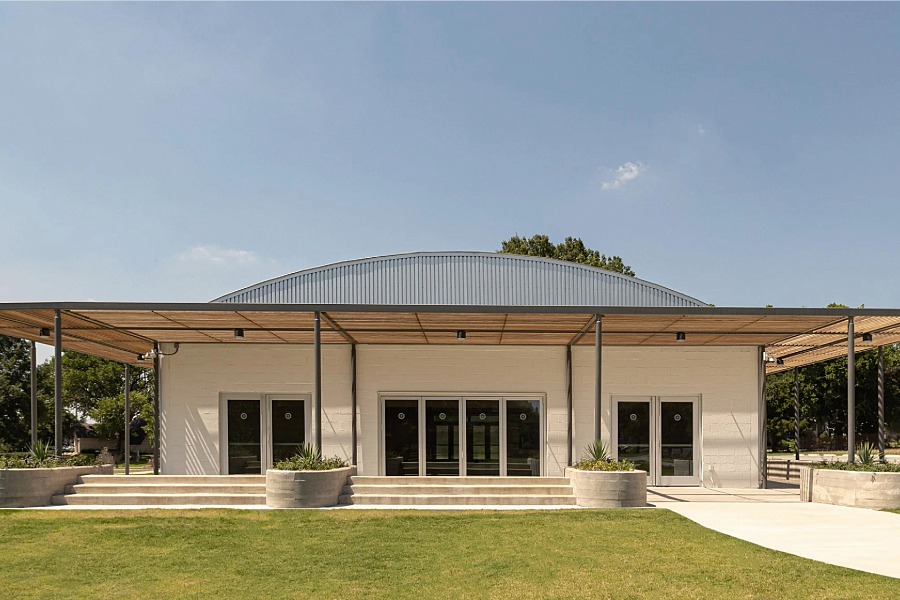
Christopher C. Gibbs College of Architecture assistant professor Amy Leveno and Mark Leveno, co-founders of OFFICIAL Design, have received a 2026 AIA Central States Region Design Award for the firm’s Granger Annex Community Center project in Garland, Texas.
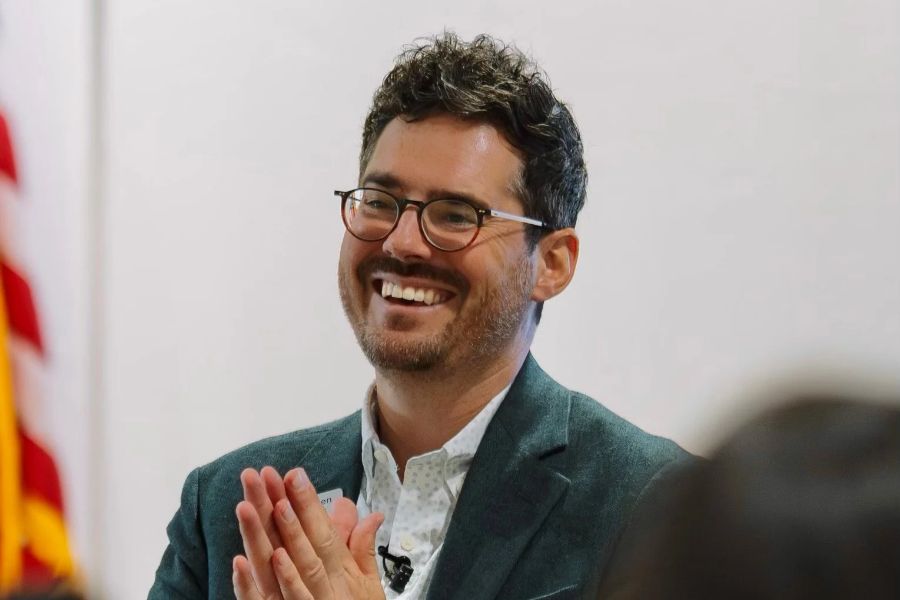
Construction Industry Speaker Series welcomed Stephen Evans from the Oklahoma City National Memorial & Museum to give a lecture on better conversations and relationship building.