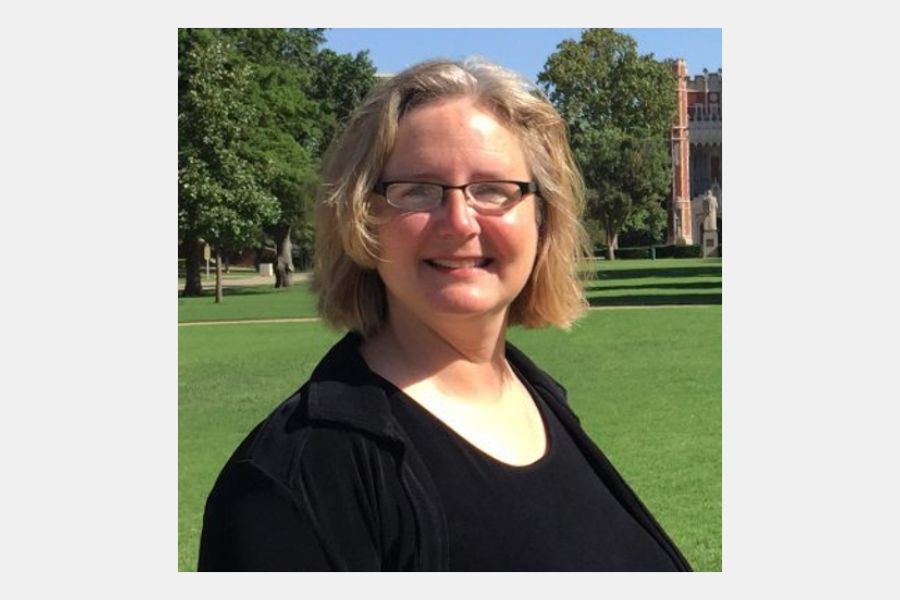
Dr. C. Aujean Lee and Dr. John C. Harris, professors of Regional + City Planning, recently organized and moderated a roundtable at the 2021 Association of Collegiate Schools of Planning (ACSP) Conference. The roundtable, titled “Whiteness and Urban Planning: Uncovering what is Unspoken, Assumed, and Missing,” addressed whiteness and white supremacy in planning scholarship, teaching, and pedagogy.
Fields such as urban planning and other built environment disciplines are still overwhelmingly dominated by white practitioners and shaped by white supremacy. In their roundtable, Dr. C Aujean Lee and Dr. John C. Harris defined white supremacy as the sociopolitical system that creates and reinforces white advantages over other groups.
Dr. Lee states, “While built environment disciplines acknowledge that whiteness and white supremacy have shaped our cities (e.g., zoning, enforced segregation, redlining, siting of environmental hazards), there is still more work needed to understand these phenomena given that they are oftentimes unspoken, assumed, or missing. People are also often afraid to directly talk about race, which then affects our ability to understand and address systemic racism. If we can’t talk about a problem, we can’t address it.”
This roundtable gave attendees the opportunity to openly talk about and address the problem of system racism in built environment disciplines. Attendees got to not only hear about current work on whiteness and white supremacy in urban planning, but also were able to share best practices in how whiteness affects their scholarship, teaching, and community engagement.
Roundtable presenters and attendees discussed strategies to talk about whiteness in curriculum and studies that have sought to understand whiteness and white supremacy. The roundtable also included how planning practitioners can further diversity, equity, and inclusion in their fields. These techniques ranged from workplace interactions to promotion guidelines that account for those who do community-based work.
Gibbs College of Architecture Associate Professor Dr. Lee Fithian recently had her discussion post, “Building Performance: It’s More Than Skin Deep: From Efficient Envelopes to Regenerative Urban Infrastructure,” accepted by the American Institute of Architects (AIA) Committee on the Environment (COTE) and cross-posted on the Building Performance KC Blog.
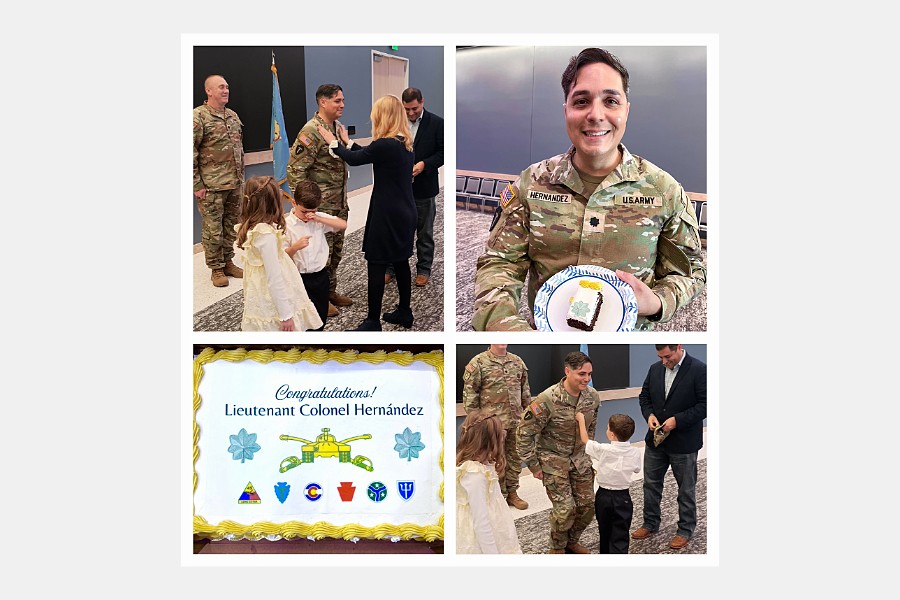
Christopher C. Gibbs College of Architecture is proud to announce the promotion of Ph.D. student Rafael Hernandez to lieutenant colonel in the U.S. Army Reserve.
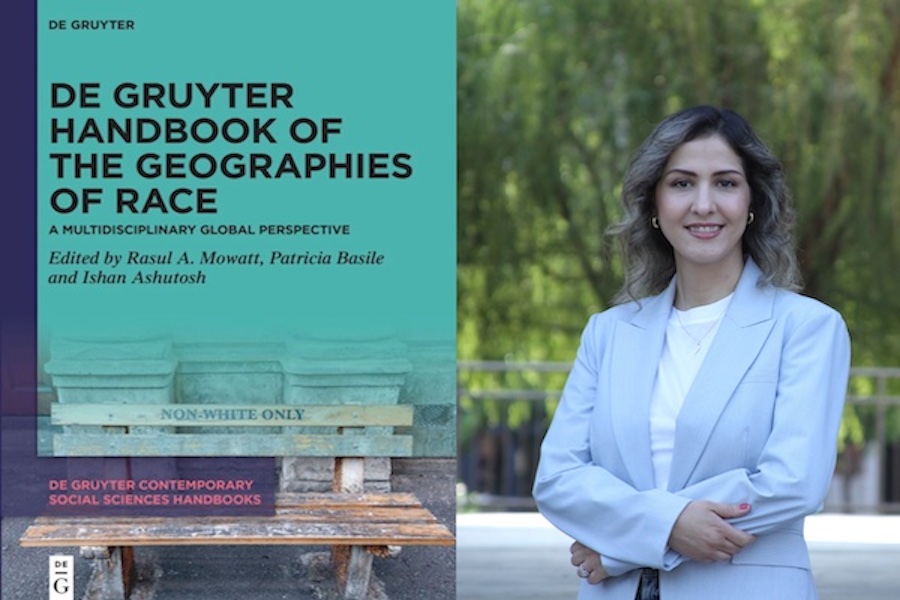
Gibbs College of Architecture Assistant Professor Dr. Ladan Mozaffarian, in the Division of Planning, Landscape Architecture and Design, has co-authored a new book chapter with Josh Newton and Andrew Born, published in De Gruyter Handbook of the Geographies of Race.